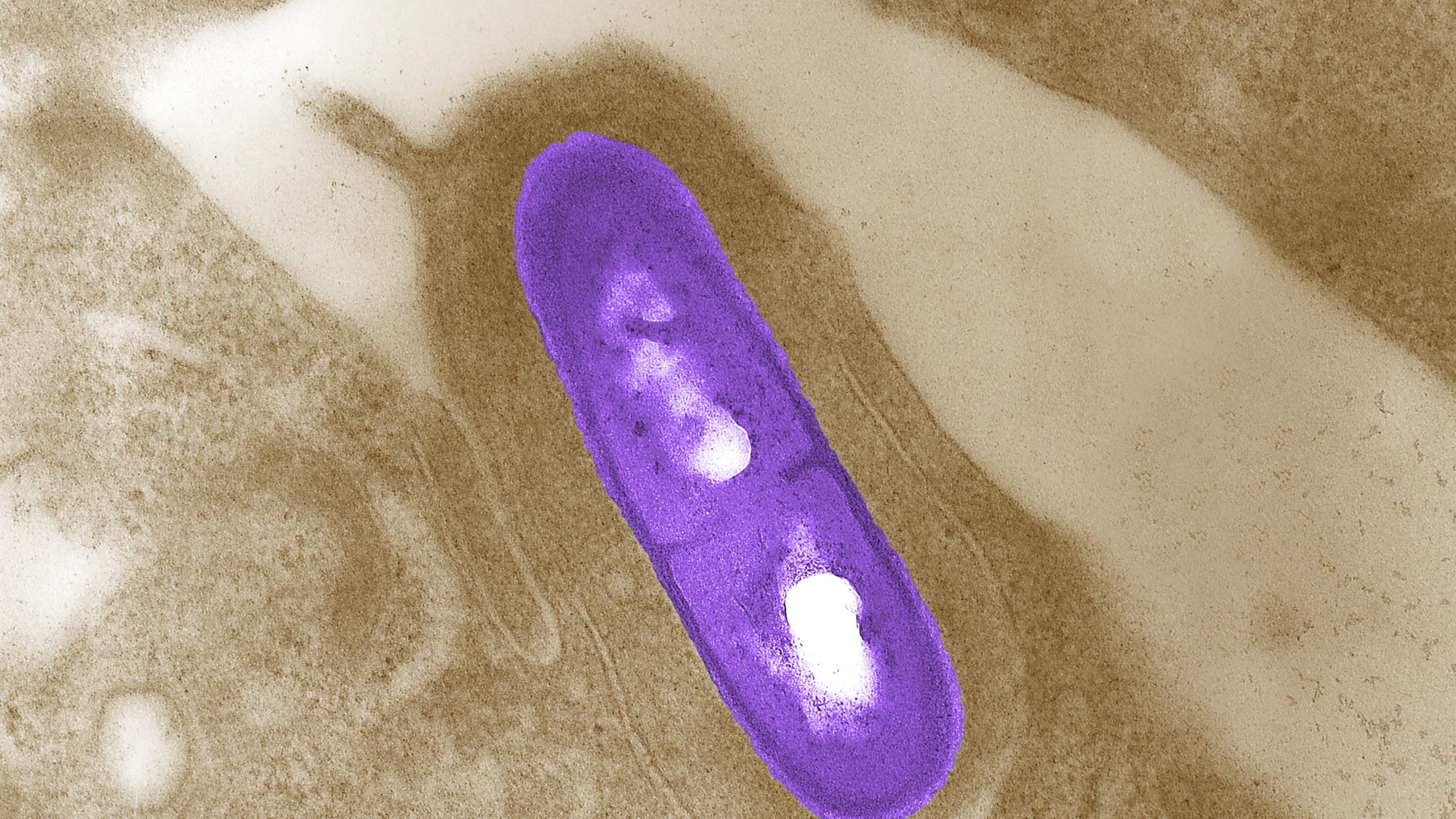

What is listeria monocytogenes? Here’s what you need to know
Learn about Listeria monocytogenes, its symptoms, and important precautions to avoid food poisoning.
Federal health officials are warning consumers about a listeria outbreak that has already killed one person and sickened many more in multiple states.
The Food and Drug Administration and Centers for Disease Control and Prevention issued an investigation notice and public health advisory on Thursday, June 4, after eight people became ill in three states. Of those eight people, seven were hospitalized, for a whopping 87.5% hospitalization rate, and one person died.
Both government agencies have warned that the actual number of infections could be much higher.
Whole-genome sequencing technology, used to track and identify specific bacterial strains, was able to trace the cause of the illness to soft cheese made by Mayland-based manufacturer Cloverhill Dairy after two people in New York became ill after eating it in May. Through testing, authorities discovered that the outbreak strain of Listeria monocytogenes was the same one that started making people sick in March 2023.
Testing at the Clover Hill Dairy facility detected Listeria monocytogenes in an 18-pound sealed, unopened bucket of Rexon cheese. Cloverhill subsequently issued a voluntary recall, and the state of Maryland suspended the dairy’s license pending further investigation.
The cheese likely was repackaged, relabeled, and distributed further than where the FDA is currently tracking it. Here’s what you need to know about the ongoing investigation and recall.
Product recalled due to listeria outbreak
A soft cheese made by a company has been linked to this outbreak. Cheese has been recalled.
But the FDA said it has not yet determined whether it is the only product causing the outbreak. More foods may be added to the list as research continues.
So far, the recall includes:
- All Clover Hill Dairy soft ricotta/rexon cheese. It may come in several flavors, such as jalapeno. The container label must include Clover Hill Dairy’s manufacturer permit (or factory) number as “24-128.”
Cheese can be relabeled under different names, so consumers should check the manufacturer’s information on the package.
Where did people get sick?
Currently, this cheese is confirmed to be sold in three states.
The cheese was sold directly by Clover Hill Dairy in Maryland and through farmers markets and third-party distributors in New York and Virginia. FDA believes it may have been sold at locations in other states that have not yet been identified.
According to the CDC, as of June 4, eight people had become ill in three states. Seven of them were hospitalized and one died.
- Maryland (3 results)
- New York State (2 cases)
- Virginia (3 results)
What to do if you remember cheese
The CDC recommends that the recalled cheese not be eaten, adding that it should be thrown away or returned to the place of purchase.
High-risk individuals, people who may have eaten contaminated cheese in their households, and businesses who may have eaten cheese are advised to take the following precautions:
- Clean refrigerators, containers, and surfaces that may have come into contact with recalled cheese. Wash surfaces with warm, soapy water, then disinfect with a mixture of 1 tablespoon of chlorine bleach and 1 gallon of water.
- Wash your hands with soap and warm water for at least 20 seconds before and after handling food or potentially contaminated surfaces.
- If you feel sick after eating potentially contaminated food, call your health care provider right away.
What are the symptoms of listeria poisoning?
Listeria poisoning is a foodborne illness most commonly caused by the bacterium Listeria monocytogenes, according to the CDC. This is considered a serious condition and can be dangerous or life-threatening, especially for adults over 65, people with weakened immune systems, and pregnant women.
Symptoms usually begin within two weeks of eating the contaminated food, but can begin as early as the same day or as late as 10 weeks. According to the CDC, symptoms include:
- heat.
- Muscle pain.
- headache.
- Stiff shoulders.
- confusion.
- lose balance.
- convulsions.
- diarrhea.
- Other gastrointestinal symptoms.
- Miscarriage, stillbirth, premature birth, and/or life-threatening infections in the newborn.
- death.
People in high-risk categories who experience flu-like symptoms within two months of consuming contaminated food should seek medical attention.


