In the United States, agriculture uses far more water than households. However, local governments insist that they still need cooperation in water conservation.
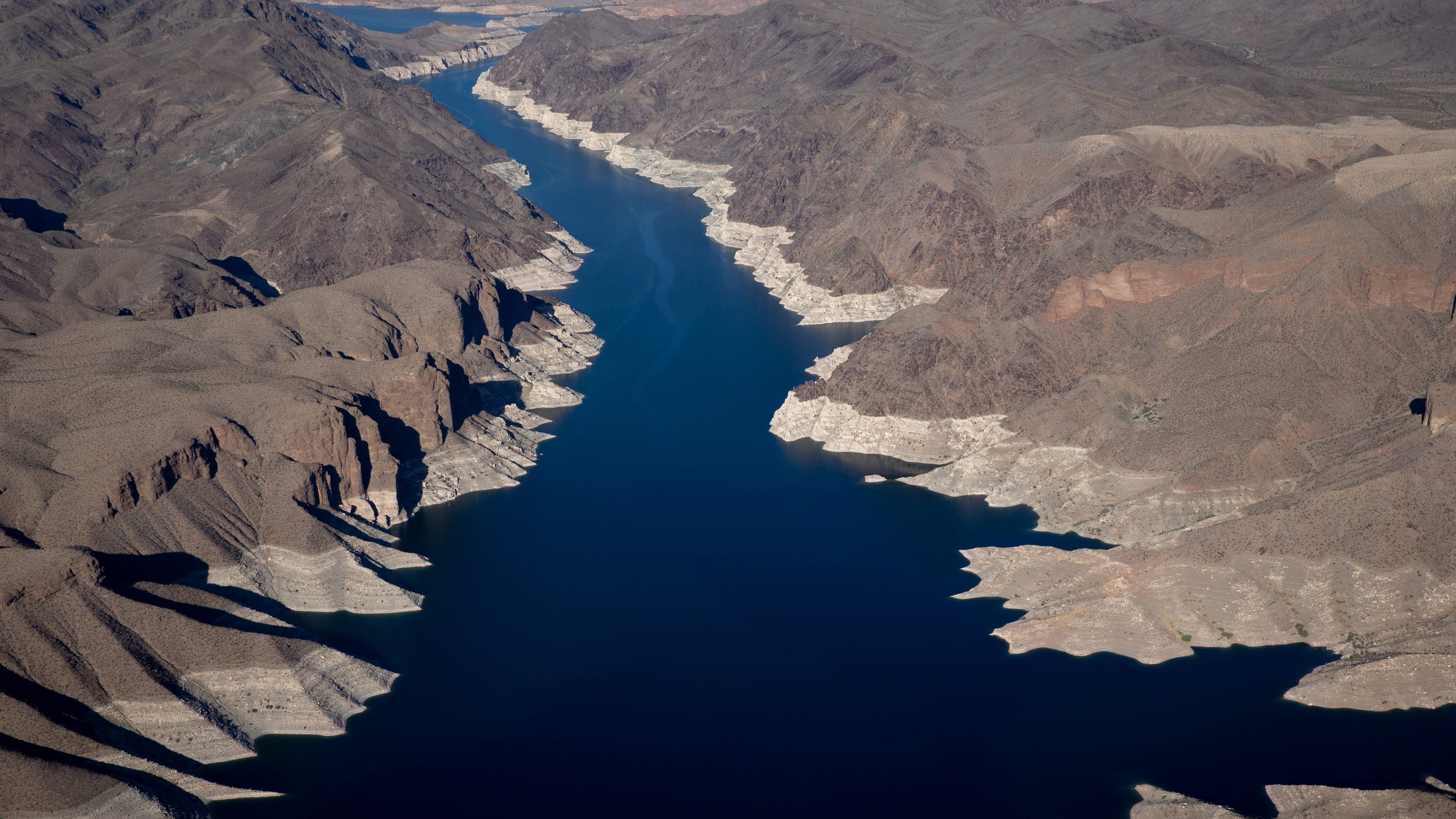

U.S. is under strain as water demand soars
U.S. water supplies are strained under the weight of drought, AI data center water demands, and aging water infrastructure.
Americans across the country are being asked (or ordered) to conserve water thanks to a widespread drought made worse by a severe heat wave.
This summer, it’s being felt in Virginia, the Carolinas, Pennsylvania, Colorado, New Jersey and more.
Take shorter showers. Please turn off the water while brushing your teeth. Don’t wash your car or water your lawn at home. These are some of the requests from residents in communities across the country. Some regions have implemented voluntary requests, while others have imposed fines and other measures to completely ban water wastage.
Meanwhile, in the United States, agriculture uses far more water than households.
So, do shorter showers and unwatered lawns really make a difference?
Yes, but it’s complicated, says Simon Anisfeld, a water conservation expert at the Yale School of the Environment and author of “Water Management: Prioritizing Justice and Sustainability.”
Domestic water comes from limited sources, often unrelated to and closed to extensive agricultural water supplies. How it works varies by region, but local governments often actually need people’s help to protect limited residential water supplies.
In conclusion, Anisfeld said: “For a quick shower to make a difference, everyone needs to be on board.”
“It’s like voting. One vote doesn’t matter, but the collective vote does,” he said. “If you live in a city of 1 million people, a 15% reduction[in water usage]is not going to save the city. But if everyone cuts back, or half the people cut back, it really makes a difference.”
City asks residents to conserve water amid severe drought
As of July 2, the U.S. Drought Monitor recorded that nearly half (48%) of the continental United States was in at least moderate drought conditions, and more than 30% was classified as at least severe drought. Areas facing the worst drought include the West, where wildfires are raging, parts of the Highlands, the Southeast and the Mid-Atlantic region.
Virginia Governor Abigail Spanberger is calling on all residents, especially those on the South Side and Central Virginia, to conserve water as the drought poses “challenges for communities and farmers” across the state. Suggested measures include reducing lawn and garden watering schedules to every other day and only watering between dusk and dawn. It is also recommended to turn off decorative fountains, reduce washing of vehicles and paved surfaces, and limit the addition of water to pools.
On July 1, the city of Richmond, Virginia’s capital, joined Chesterfield, Goochland, Hanover, Henrico and Powhatan counties in announcing voluntary water restrictions, saying such measures would be implemented if average water levels drop to 1,700 cubic feet per second for 14 consecutive days. These measures also focus on outdoor watering.
Nelson County, Virginia residents are asked to voluntarily:
- Turn off the faucet when brushing your teeth, washing your hands, and shaving.
- Water your lawn only when necessary before 10 a.m. to reduce evaporation.
- Keep showers and baths short.
- Instead of washing your car at home, use a commercial car wash.
- I only wash bulk laundry and dishes.
- Repair leaking pipes and toilets.
- Reuse water for watering plants and cleaning.
In Cañon, Colorado, officials are aiming to reduce water use by 20 to 30 percent, while asking residents to voluntarily conserve water consumption outdoors.
In some areas, such as some communities in New Jersey and the Carolinas, the regulations are no longer voluntary.
In Raleigh, North Carolina, there were 748 violations of Tier 1 water regulations as of June 29, Edward Buchan, deputy director of the Raleigh Water Department, told USA TODAY in an email. Violators will be issued with a warning letter before being fined and may eventually have their water cut off. He said one civil fine of $50 and one civil fine of $200 was issued.
Residents are also being asked to limit their intake to 65 gallons per person per day.
He said the first phase of the response in Raleigh is primarily focused on outdoor irrigation. However, at all stages it is also mandatory to:
- Irrigation systems and water customers must “operate in a manner that prevents the wastage of water and its application to impervious surfaces such as roads, sidewalks, parking lots, and driveways.”
- The restaurant can only provide drinking water upon request.
- The hotel can only change linen upon request from the guest.
Do these water restrictions really help?
Anisfeld said when a city, county or local water utility asks residents to conserve water because of a drought, it usually means there’s an increased strain on the municipality’s water supply.
On a regional scale, Anisfeld said water consumption falls into three categories: residential, industrial or commercial (restaurants, hospitals, factories, etc.), and non-revenue water (which accounts for things like firefighting water and leaks in systems). In most cities, residential is the most common of the three.
Shower shortening will become ‘more important’ in 2026
In some parts of the country, much of the household usage is for outdoor use, such as watering lawns or pools. In humid climates where residents do not need to water their lawns, indoor uses such as showers have a greater impact.
When water restrictions are in place, mandatory ones tend to focus on outdoor use, but cities and counties still ask residents to voluntarily conserve water where possible indoors.
“In fact, the shower may be the single biggest user of water in your home,” Anisfeld said, noting that new appliances like dishwashers and washing machines use less water than they used to. “The shower has actually become relatively important because everything else has become more efficient.”
According to the Environmental Protection Agency, the average shower in the United States takes about 8 minutes and uses about 16 gallons of water. Showers alone use more than 1 trillion gallons of water every day in this country. According to the EPA, if everyone took one minute less in their showers, the country would save 170 billion gallons of water each year.
What happens to large-scale water users like agriculture?
In many parts of the country, local governments are allocated a certain amount of tap water that is supplied to homes, businesses, and utilities within their jurisdiction. That water supply is different from the water supply used for agriculture, which accounts for the majority of the water used in the country, Anisfeld said.
While it may seem counterintuitive that reducing the amount of showers, limiting watering of residential lawns, and only doing laundry with full loads could have an impact if these usages don’t come close to those used in agriculture, Anisfeld said municipal water supplies are different from agricultural supplies and cannot really be replaced.
“It’s different water,” he said.
First, municipal water is treated to make it safe for consumption, but agricultural water is not. The amount of water a municipality can use is also regulated by various state water rights, or laws governing how water allocations are determined. Depending on where you live, reallocating water from agricultural to municipal use during a water shortage could be difficult, if not impossible, both legally and physically, he said. In some areas of the country, entirely new pipe systems will need to be built.
“Generally speaking, urban water supplies are limited. Households are very important at the size of cities that are struggling with water supplies during droughts,” Anisfeld said. “For example, at the scale of California, households are very important, but there are places where (agriculture) has to be part of the solution.”
Another water use controversy stems from data centers, which are increasingly used to power artificial intelligence. Data centers use a lot of water and can drive up utility bills for nearby residents. According to the Institute for the Environment and Energy, large data centers can consume up to 5 million gallons of water per day. It’s about as big as a small town.
The majority of the hundreds of planned AI data centers will be built in areas experiencing drought, according to an analysis published by the Guardian. And in many cases, data centers draw water from municipal water supplies, Anisfeld said.
Although data centers use a small portion of the nation’s total water supply, Anisfeld said, “on a regional scale, if you have large data centers and you have a drought, you might get messages that really piss people off because they understand that they’re being asked to make sacrifices for things they don’t necessarily want.”


