
U.S. is under strain as water demand soars
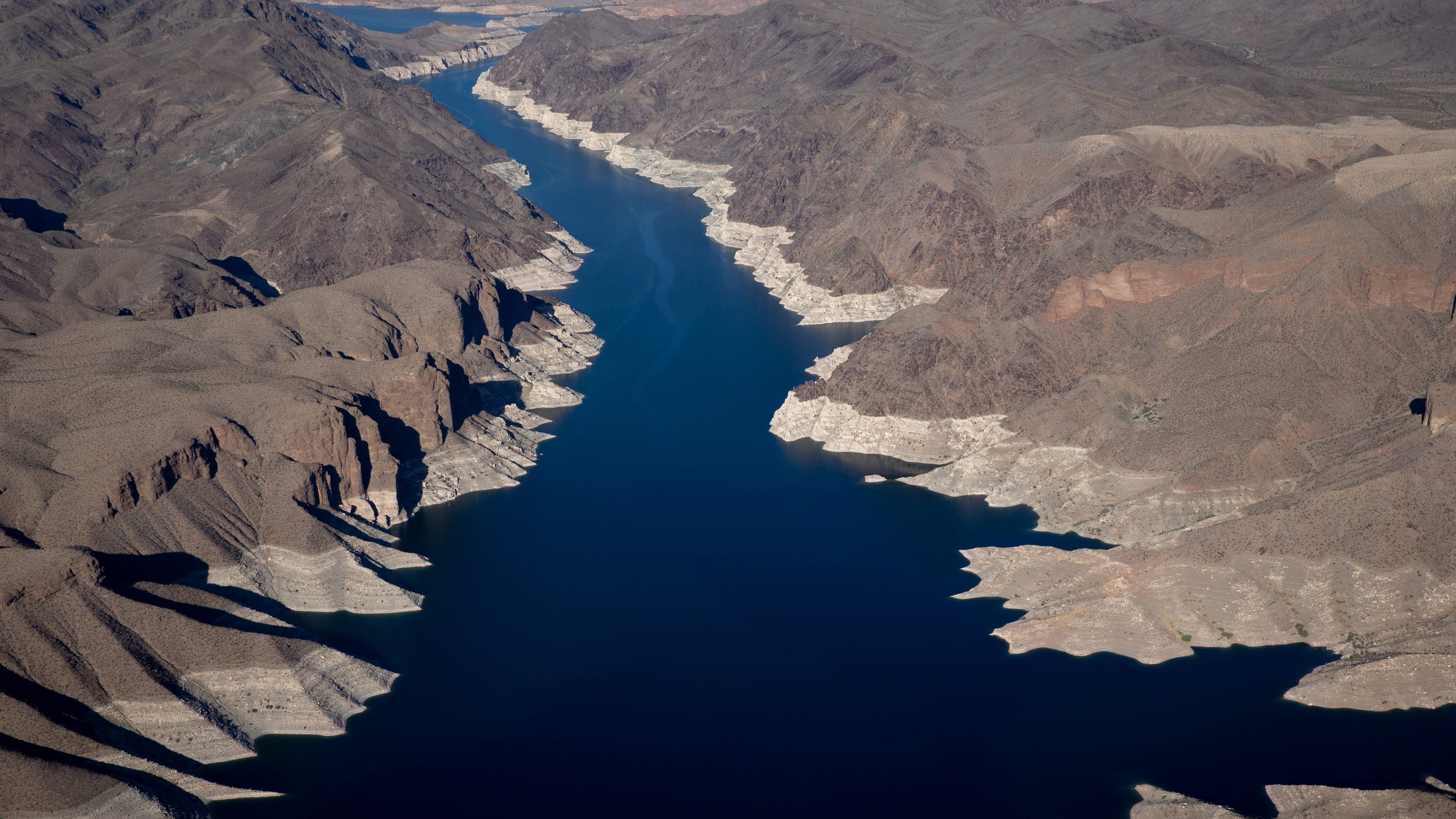
U.S. water supplies are strained under the weight of drought, AI data center water demands, and aging water infrastructure.
Voters in a Southern California city appear to have given their thumbs up to a ballot measure banning data center facilities citywide, moving to solidify what is believed to be the first data center ban in the nation.
In March, the Monterey Park City Council unanimously voted to submit a ballot measure (known as Measure NDC) seeking a permanent ban on data centers within city limits to the June 2 special city election. The measure would amend the city’s Comprehensive Plan and Land Use Framework to add a citywide ban on data centers, according to city officials.
While other cities and communities in the United States have passed data center bans, Monterey Park, California is believed to be the first city to implement a ban through a ballot initiative. According to the Los Angeles County Registrar-Recorder-County Clerk, as of June 3 night, about 86% of the vote was in favor of the NDC measure.
The ballot language states that the ban will remain in effect unless voters decide to overturn it, giving residents continued power over whether such establishments can operate in the city. City officials described the ban as a measure to protect air quality, drinking water resources, public health, and avoid the potential impact of large-scale computing facilities on electricity and water rates.
The overwhelming support by voters came after months of protests by residents and nearby community members who expressed concerns about the proposed renovations by investment firm HMC StratCap. Local organizations San Gabriel Valley Progressive Action and No Data Center in Monterey Park said the developer proposed converting the vacant office complex into a 250,000-square-foot “hyperscale data center.”
“Monterey Park is the first city in the nation to ban data centers through ordinance and ballot measure!” local organizers said in a June 3 social media post. “We made history thanks to the power of our community.”
Monterey Park, with a population of over 57,000, is located in the San Gabriel Valley region of Los Angeles County. The city is approximately 13 miles east of downtown Los Angeles.
Community members organize against data center project
In late 2024, HMC StratCap purchased a vacant office complex in Monterey Park for $39 million, the Los Angeles Times reported at the time. The developer proposed building a data center building that would also include several backup diesel generators and a 24,000-square-foot electrical substation, according to a state environmental filing.
Last year, residents and neighborhood members began protesting the proposed data center. Local organizers advocated for a permanent ban and urged action from city leaders, saying residents “never” wanted a data center in Monterey Park and calling for a citywide ban, according to the petition.
“Many residents are concerned about the size of the project and its potential impacts, including increased power demand, noise from cooling equipment and standby generators, and limited local economic impact,” San Gabriel Valley Progressive Action said on its website.
“This proposal also raises broader questions about the appropriateness of large data centers in densely populated residential areas like the San Gabriel Valley,” the local organizing group continued.
After hearing concerns from area residents, the Monterey Park City Council passed a 45-day moratorium on the city’s data centers in January. The city then unanimously extended the moratorium by 10 months and 15 days in March and voted June 2 to ban the data center.
In response, Mayor Elizabeth Yang said the developer’s attorney “will increase the likelihood of litigation if Monterey Park moves forward with its data center ban.” In a letter to the city in February, the developer’s attorney called the city’s opposition to the project “hostile” and “another step in demonstrating the city’s malice and bias.”
In April, Yang announced that HMC StratCap had formally withdrawn its data center planning application and “confirmed that it will not object to the June ballot measure.”
“Residents have made it clear they want to show up, speak up, and have a say about what’s going on in our city,” Yang said in an April 2 Instagram post. “As a City Council, we took a pause and moved forward with the ballot measure to allow the community to decide. That was always the goal. Now, that decision will be in the hands of Monterey Park voters this June.”
Data center banned at Monterey Park amid growing opposition to facility
Across the country, data center construction and proposals are met with resistance. Global analytics consultancy Gallup reported in May that 70% of Americans oppose building data centers in their region, with 48% “strongly opposed.”
According to the Global Data Center Directory’s Data Center Map, there are more than 4,300 data centers across the United States. Data centers are rapidly proliferating across the United States, and some states are tightening regulations for their facilities.
Environmental advocates, anti-artificial intelligence activists and residents across the country have raised concerns that such facilities could strain the power grid, consume large amounts of water, pollute the air, create noise for nearby residents and create a disproportionate number of temporary jobs.
USA TODAY previously reported that environmental activist Erin Brockovich launched a website called Brockovich AI Data Center Reporting in April. A new website will allow the public to report issues they encounter at data centers in the region and view facilities in operation, under construction, and proposed.
In a new report from the United Nations University Institute for Water, Environment and Health, researchers say data centers are expected to consume twice as much electricity and water by 2030 as they expand to meet the surge in demand from AI.
Unless governments pay attention to the rising environmental costs of AI, rapid adoption could strain scarce land resources and create mountains of electronic waste, a study warns.
“While public discourse still often treats AI as software, it is also physical infrastructure such as data centres, power generation, cooling systems, power grids, chips, minerals, land and water,” said Kaveh Madani, director of the institute and lead author of the report.
Contributor: Greta Cross, USA TODAY. Reuters


