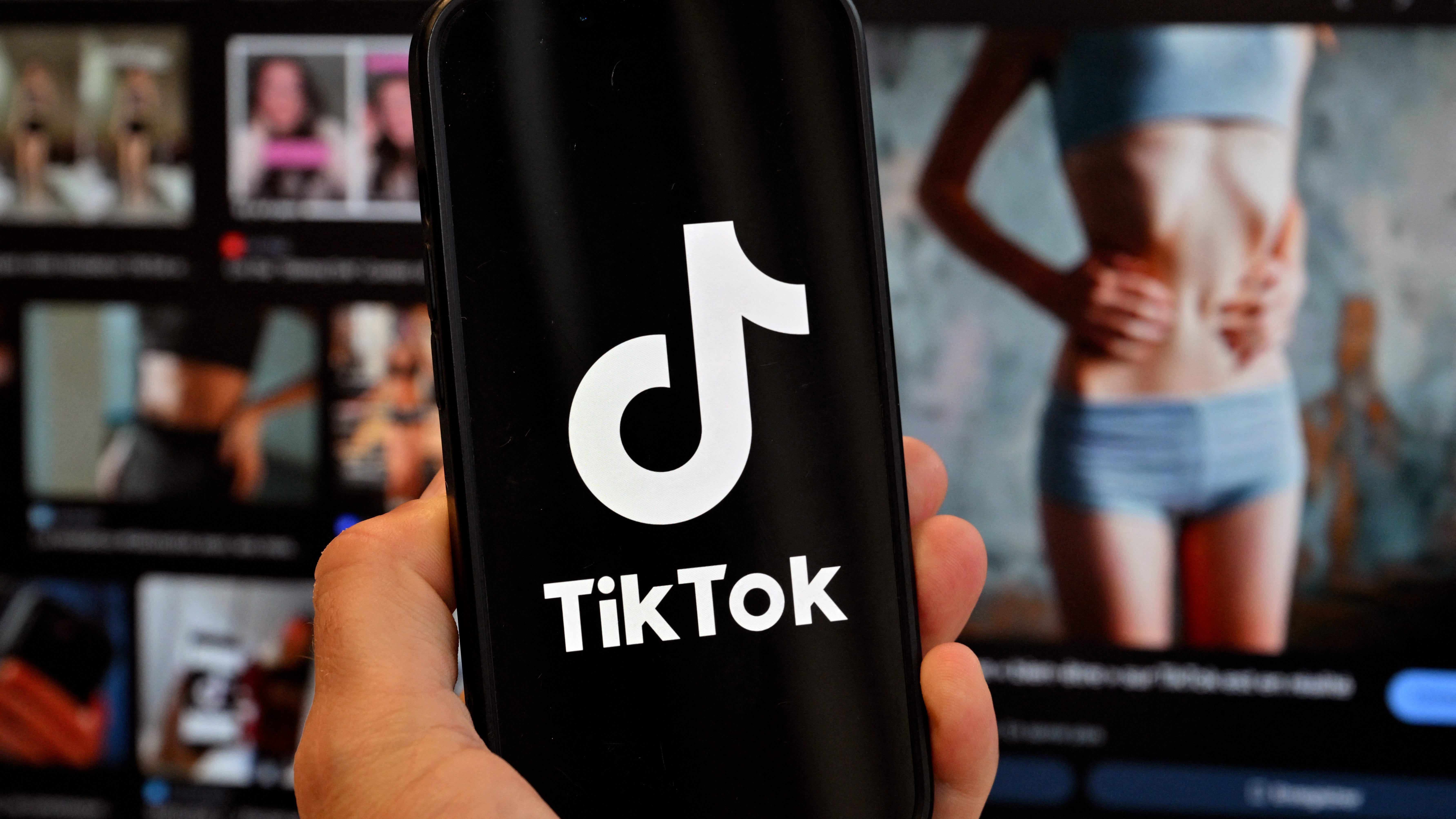

SkinnyTok is currently banned. Its dangerous effects continue.
There continues to be an alarming prevalence of dangerous weight loss content on social media.
Actress Jameela Jamil doesn’t shy away from what many have thought: “horribly thin” beauty standards are “entrenched in our society.”
As more and more celebrities undergo drastic body changes, conversations about these feelings are proliferating online.
“Bones in a dress,” one user commented on a celebrity red carpet video posted on Instagram. “I hope she’s not sick,” one wrote, while others simply wrote “scary,” “skeleton” and “eat me.” People are eyeing all kinds of celebrities, accusing singers of body-positive anthems of hypocrisy, rolling their eyes at athletes promoting weight-loss pills, and whispering to each other about how thin their favorite movie stars are.
Jamil has spoken out about his past struggles with eating disorders and called out the alarming trend of thinness in Hollywood. And nutritionists share concerns about malnutrition and muscle wasting. Still, we know that commenting on someone’s appearance, whether positive or negative, can be harmful. So should we be having these conversations about our bodies? Mental health experts say the simple answer is no, but there are ways to have appropriate conversations about larger societal concerns. It just requires a different, more nuanced approach.
Why do people want to talk about “skinny celebrities”?
In addition to fans and colleagues like Jamil being “genuinely concerned about their peers,” people are calling out these changes in appearance for fear of returning to and normalizing a toxic diet culture and certain (thin) beauty standards.
“I am critical of the glorification and normalization of eating disorder culture in the entertainment industry,” Jamil said in a video posted to Instagram in March.
She has long been vocal about the issue, writing in a November 2025 TikTok post: “All of a sudden[people]are so thin you can see their ribs, you can see their hip bones sticking out…This is really, really serious and it’s becoming normal.”
Part of the current tension, says Dr. Sara Gupta, a psychiatrist and medical director of Modern Health, a mental health services platform, is that after years of progress toward body positivity and body neutrality, it now feels like we’re heading in a different direction. And that direction is a step back from the size-inclusivity wave of 2010, which saw brands showcasing more diverse bodies and spurring increased discussion about fat acceptance and the normalization of imperfections like cellulite and stretch marks.
“The goal is not to ignore what’s going on, but to have the conversation in a way that supports health without adding additional pressure,” Gupta added.
Jamil and others also point out how this change will affect young people. “This is an example for young girls who think they are not normal if they grow flesh on their bodies,” Jamil added.
Jamil also hit back at critics who say she’s shamed for being thin or that she shouldn’t comment on women’s bodies.
“While I appreciate that, I think it’s a disingenuous way to shut down a vitally important discussion about the fact that anorexia is the leading cause of death from mental illness. This is really serious. This is a matter of life or death,” she said in the post.
Why body comments are still harmful
While some celebrities have been open about their use of weight loss drugs, not to mention the popularity of GLP-1 and its impact on changing dietary culture, which cannot be ignored, the truth is that no one knows what anyone is going through, especially those we don’t know personally.
Weight loss can be the result of a health problem or an eating disorder. The Mayo Clinic lists a myriad of potential causes of weight loss, including physical illness as well as mental health.
When people struggling with eating disorders share their concerns that they’re “too thin” or “horribly thin,” it can actually backfire, says Sam DeCaro, director of clinical support and education at the Renfrew Center, which specializes in eating disorder treatment.
These types of comments often “reinforce eating disorder behaviors,” she explained.
Plus, your comments are more likely to be seen and heard by online friends and strangers, rather than the star in question.
“Some people write in the comments section with good intentions,” DeCaro said, but added that it’s our loved ones, including our children, who are picking on them, and that research suggests that just reading comments based on appearance can affect body image, even if they’re not about one’s own body.
So how do we talk about it?
A more helpful approach, Gupta suggested, is to zoom out.
“Instead of asking whether a particular person looks ‘too skinny,’ we can talk about broader patterns that we’re seeing,” she said, including “the rapidly increasing awareness of drugs like GLP-1 and the message they send when used outside of current clinical guidelines.”
“Even with good intentions, if the focus remains on the individual’s body, it can quickly become toxic and harmful.”
Gupta suggests keeping the following tips in mind when approaching these conversations:
- Avoid comments about body shape or size.
- Consider the bigger picture, including how drug companies market GLP-1, who has access to GLP-1 and who doesn’t, and the role social media algorithms play in its popularity.
- Please note that GLP-1 is a prescription drug that is only approved for use in people who meet certain medical criteria.
- Remember that what we say in person or online can influence how others, especially young people, feel about their bodies.
If you or someone you know is struggling with body image or eating concerns, the National Eating Disorders Association’s toll-free and confidential helpline is available by phone or text at 1-800-931-2237 or by clicking to chat message. Nationaleatingdisorders.org/Helpline. For 24/7 crisis information, text “NEDA” to 741-741.


