
Court ruling could result in millions of dollars in IRS coronavirus tax refunds
A federal court ruling has brought back the issue of COVID-19-era taxes and could leave some Americans owed refunds.
The U.S. government is formally appealing an earlier federal court ruling that opened the floodgates to millions of Americans potentially claiming coronavirus-related refunds, but tax accountants say there’s no need to worry and people should continue filing.
“Our advice to our clients remains the same,” said Glenn Frost, managing partner and founder of Frost Law. “The government’s appeal means the Kwon case has entered a new phase of uncertainty that could take years to resolve. Regardless of this phase, taxpayers still face a short window to file claims to protect potential refunds or reductions.”
Previously, a federal court ruled in Kwon v. United States that the public health emergency caused by the coronavirus pandemic from January 20, 2020 to May 11, 2023 falls under the provision that extends the applicable tax deadline by 60 days plus the disaster period. The ruling postpones the new tax deadline for 2019, 2020, 2021, and 2022 tax returns to July 10, 2023.
If the taxes were not paid, the IRS likely would not have had the right to impose penalties or interest during that period, tax attorneys said. Therefore, all those charged with fines and fees are eligible for refunds, they said. However, the statute of limitations for claiming a refund is generally three years from the time the tax return is filed or two years from the time the tax is paid, whichever is later, so the deadline for claiming a refund is July 10, 2026.
What should taxpayers do?
If the ruling is affirmed, taxpayers have until July 10 to apply to preserve their refunds. “Taxpayers who miss the July deadline will likely miss out on their last chance to get their money back,” Frost said.
To determine eligibility, taxpayers should check their tax records to see if the IRS has assessed penalties or interest during the tax filing suspension, said John Wasser, a partner at Fox Rothschild who specializes in tax matters. You can do this by asking a tax professional or reviewing your IRS tax return.
IRS tax account records show tax information for each year, including filing status, taxable income, and adjustments made after the original return was processed. It also displays the dates on which payments, penalties, and interest were made or assessed.
According to the IRS, tax account records can be viewed, printed, and downloaded online by registering using a personal online account, or by mail. Americans can order by mail through the IRS website or by calling the automated telephone transcription service at 800-908-9946. Arrives within 5-10 calendar days.
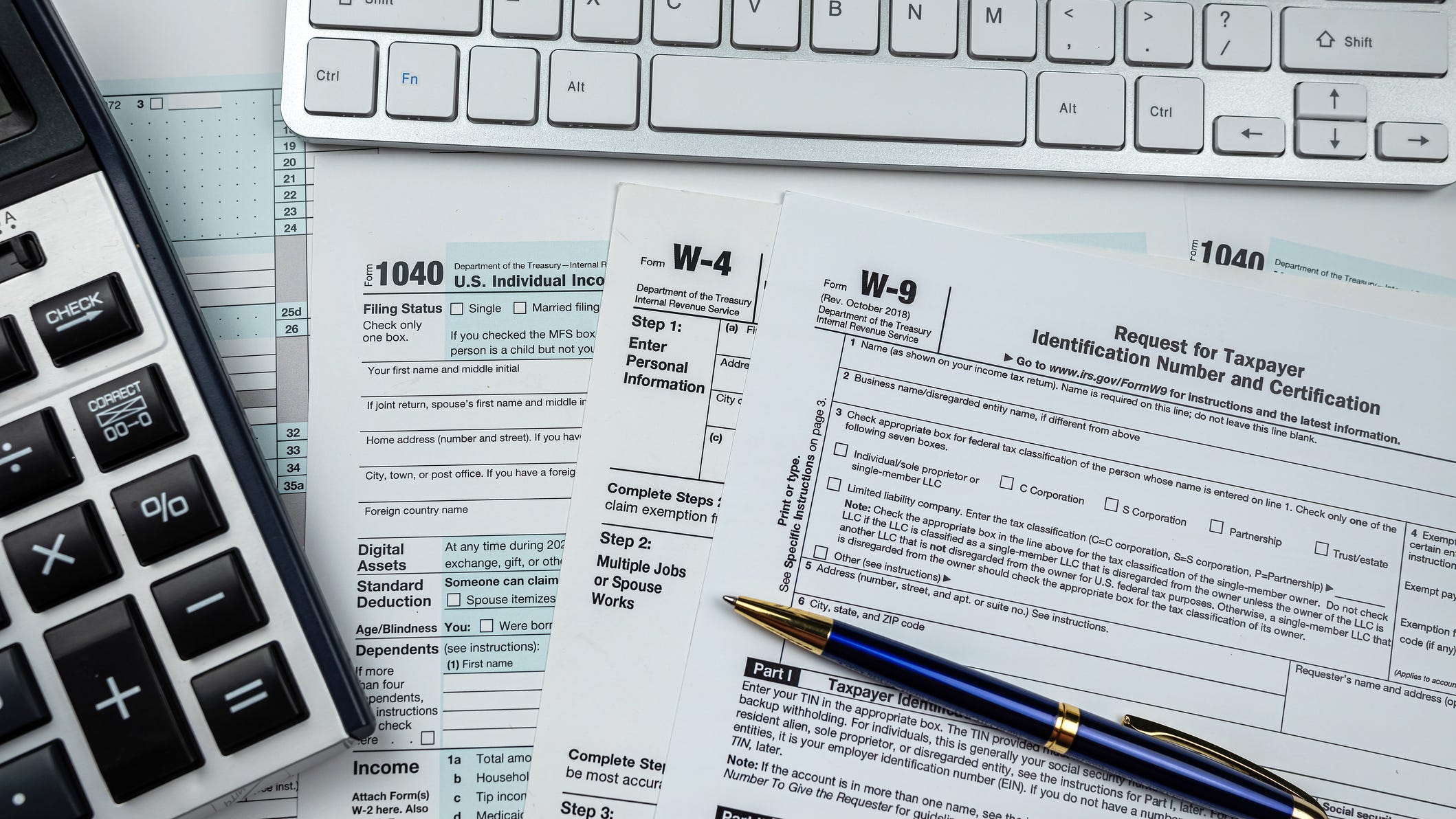
If a taxpayer is eligible, they must file a return to preserve their claim. Wasser said a tax professional can file a claim on a taxpayer’s behalf, or a taxpayer can use information from their tax return to file a claim using IRS Form 843, Claim for Refund and Claim for Abatement.
Lawyers say taxpayers should clearly indicate on the form that they are claiming protection under Section 7508A(d) and Kwon v. United States regarding the COVID-19 disaster period.
“You’re basically saying to the IRS, ‘I have a refund claim, please hold on to it for now,’ until the case is finalized,” Wasser said. Once all litigation is complete and the IRS is required to issue a refund, you have retained the right to claim your rights.
Independent taxpayer advocate Erin Collins said taxpayers do not have to file separate forms for each tax year, but they do need to identify the specific tax year involved.
How many people may be affected?
“The affected taxpayers represent a wide range of individuals, small businesses, large corporations, estates and trusts,” Collins said. “This issue affects taxpayers with obligations related to income, employment, inheritance, gift, and excise taxes. It may also affect taxpayers who file late international information returns, which can result in significant penalties even if no tax is owed.”
According to Collins, taxpayers may be liable to:
- Penalties for failing to file a return on time, failing to pay taxes, or failing to make estimated tax payments
- Interest started accruing sooner than it should have, or did not accrue at all.
- Overpaid interest for disaster period 2020-2023
“For taxpayers dealing with financial pressures, this amount could make a huge difference,” Mr Collins said. “However, most taxpayers have until July 10, 2026 to take action to request refunds.”
It added: “Some practitioners believe that even if the underlying liability arose before the disaster period began, interest or penalties may not have been payable during that period.”
Medora Lee is USA TODAY’s money, markets and personal finance reporter. Please contact us at mjlee@usatoday.com. Subscribe to our free Daily Money newsletter for personal finance tips and business news every Monday through Friday.


