Home Blog Page 537

Justice Department monitors California, New Jersey elections, sparks outrage

0

play

The Justice Department will monitor key local elections in California and New Jersey, which officials in both Democratic-run states have criticized as voter suppression.

The agency announced Friday, Oct. 24, that it would monitor elections at five sites in California and one site in New Jersey ahead of the Nov. 4 elections in both states. The California venues are Los Angeles, Orange, Kern, Riverside and Fresno counties, and the New Jersey venue being monitored is Passaic County.

“Transparency at voting locations fosters trust in the election process, and the Department of Justice is committed to upholding the highest standards of election integrity,” Attorney General Pamela Bondi said in a statement. “We will commit the resources necessary to ensure that Americans receive fair, free, and transparent elections.”

While it is not unusual for the Justice Department to monitor local elections, the move has drawn criticism from Democrats, who argue that the Trump administration is targeting an election that could be a key victory for the party.

The department’s announcement came after Republican officials in both states asked for help monitoring the election.

Here’s what you need to know:

State officials respond to election observation

Democratic California Gov. Gavin Newsom also quickly responded, saying in a post on X that President Donald Trump’s “intent is clear.”

“He wants to suppress voting,” Newsom posted. “And if we win, he will make false claims of fraud. We will not be intimidated. California will protect free and fair elections.”

California Democratic Sen. Alex Padilla told the Los Angeles Times that as a former California secretary of state, he knows that “California’s elections are safe and secure, and election fraud remains extremely rare.”

“Historically, we have looked to the U.S. Department of Justice to protect voting rights and ensure that elections are conducted smoothly, but that has changed under the Trump administration,” Padilla told the Times. “Donald Trump has weaponized the Department of Justice to attack the public’s confidence in our elections and take steps to block access to the ballot. Any action by Justice Department watchdogs that makes it difficult for eligible citizens to exercise their right to vote crosses a red line.”

New Jersey Attorney General Matt Platkin (D) said in a statement to USA TODAY that the Department of Justice’s oversight of Passaic County elections was “grossly inappropriate.”

“Our country is committed to ensuring free, fair, and secure elections, and we will not allow anyone to interfere or disrupt our elections,” Platkin said. “The Justice Department has not even attempted to identify a legitimate basis for its actions. The Constitution gives the states, not the federal government, primary responsibility for conducting elections, and our state’s dedicated election officials have been preparing for months to conduct safe and secure elections. We are committed to ensuring all voters cast their votes and have their voices heard, and we are considering all options to stop acts that intimidate voters or interfere with elections.” ”

Learn more about monitored elections

California voters will decide whether to approve Proposition 50 on November 4th. Proposition 50 would redraw the California Legislature and add five Democrats to the House.

In New Jersey, voters are deciding whether Democrat Mikie Sherrill or Republican Jack Ciatarelli will be the next governor.

“The Department will take all necessary steps to protect voters’ votes and ensure election security,” Assistant Attorney General Harmeet K. Dhillon of the Justice Department’s Civil Rights Division said in a statement. “Transparent electoral processes and election monitoring are important tools for protecting our elections and ensuring public confidence in their integrity.”

Why Allison Williams’ role in ‘Regretting You’ was ‘intimidating’

0

play

NEW YORK – Allison Williams has appeared in horror movies like “Get Out” and “M3GAN” and jumped around the stage in “Peter Pan Live!” And “Girls” made us laugh (and cringe). However, she didn’t think anyone would want to see her in a romantic drama.

“Regretting You” director Josh Boone helped change her mind.

“I never saw myself as a romantic lead,” Williams told USA TODAY in a sit-down interview. “I don’t know if I want to see myself get a guy or whatever. I don’t know if I want to be rooting for myself on screen. But I thought, if[director Josh Boone]thinks I can do it, maybe there’s something in my vibe that I can’t detect that might actually work in this medium.”

Based on the book Regretting You by Colleen Huber, the film stars Williams, Dave Franco, McKenna Grace, and Mason Thames, and is currently in theaters.

Williams, who also produced the film, plays Morgan Grant, a young mother who discovers that her husband and sister have been having an affair after they die in a car accident. Her complicated grief deepens the rift with her teenage daughter Clara (Grace), but Clara’s college dreams and new boyfriend (Thames) Morgan disapprove of it. Further complicating matters is the presence of Morgan’s late sister’s partner, Jonah (Franco), who had feelings for Morgan since their school days.

Movies that are ‘not too scary’ for Allison Williams’ friends

Williams says her performance in “Regretting You” is also an act of service to her friends. Her friends say it’s her project they’re most looking forward to.

“I know friends who live all over the country who do viewing parties, go with their girlfriends, have book clubs,” Williams said. “I’m glad I was able to create something that a lot of people in my life wouldn’t be scared to look at.”

Filming M3GAN 2.0 in New Zealand and Regret You in Atlanta a few weeks apart, Williams says, took some of the pressure off of creating the perfect romantic lead because he didn’t have time to “obsess” about channeling romance legends like Julia Roberts, Rachel McAdams and Meg Ryan.

The romance genre guarantees happily ever after. Even though “Regretting You” touches on serious subjects like grief and infidelity, you’ll leave the theater feeling warm and fuzzy. This is different from other films Williams has appeared in, which deal with serious themes such as racism, artificial intelligence, and sexual assault. But it helped her reframe the way she thinks about escapist romance films. These films also deal with universal and monumental issues.

“Honestly, it feels weird to do press for a movie that doesn’t talk about the big issues, but then I feel like I’m talking about the biggest issues, the issues that make other issues important: love and autonomy and loss,” Williams says. “The reason we fear AI is because we love humans and we fear loss of ourselves and human life. And the reason we hate the sexual assault and grooming that ‘The Perfection’ dealt with is because we love humans. We want to take care of them. We don’t want bad things to happen to them. These are the big issues that make other things worth talking about.”

Allison Williams talks about entering the world of Colleen Huber

With “Regretting You,” Williams enters the canon of yet another explosive Hoover film adaptation. “Regretting You” has so far survived without the same level of controversy (legal or otherwise) as “It Ends With Us.” Other Hoover novels, including “Reminder of Him” and “Verity,” will soon be made into films.

Williams himself is a Hoover fan, and says “Verity” is his favorite. After she read the script, she started reading the book “Regretting You.” Then began the “intimidating” process of bringing the beloved book characters to life.

“It always feels strangely intimate to secretly create the definitive version of something that so many people have imagined for themselves. It feels intrusive,” Williams says.

Boone’s faithful adaptation of John Green’s The Fault in Our Stars eased her fears. Hoover also supported Williams’ Morgan.

“I also knew that Colleen loved the script, loved all the casting, was very involved in cutting the film, and was very happy with how it turned out,” Williams says. “I think that’s a good thing because she’s the ultimate authority on original work. It’s a great vote of confidence.”

Motherhood helped her on-screen relationship with McKenna Grace

Williams, who has an almost 4-year-old son with The Last Kingdom actor Alexander Dreymon, used her maternal instincts to create a mother-daughter relationship with co-star Grace, who plays her rebellious 17-year-old daughter. At first, she was worried about their compatibility. Going back and forth between “M3GAN” and “Regretting You,” Williams didn’t get the time he thought he needed with Grace.

“‘I thought you needed it’ is effective because it really just made an instant connection,” Williams says. “I think we have similar and fundamental qualities, and I also think she is incredibly talented.”

However, much of Clara and Morgan’s on-screen relationship is controversial. Clara, grieving in her own way, sneaks out without her mother’s permission, gets drunk and high, and meets her boyfriend. She has been suspended countless times. Meanwhile, Morgan is dealing with the loss of her sister and husband, keeping their betrayal a secret from Clara. There are several scenes where Morgan slams doors, yells “go to your room,” and crashes his car. While this wasn’t her personal anger, Ms Williams said she found that part surprisingly “cathartic”, adding: “There’s a reason why we have anger rooms.”

Will teenage angst make Williams worry about how she will one day raise her own children? She doesn’t know what will happen to him, but admits she loves the “anticipatory anxiety.”

“Becoming a mother has taught me, in a way, that I can and will worry about what’s going to happen, because it’s not the version that I’m experiencing, and I miss the opportunity to worry about the version that I’m experiencing,” Williams says.

Allison Williams has Taylor Swift songs playing in her head

Williams, a self-proclaimed Swiftie, thinks about Taylor Swift’s album “The Life of a Showgirl.” In one song, “Ruin the Friendship,” Swift sings about how she should have kissed her crush before it was too late. It’s the perfect soundtrack for “Regretting You” as Jonah and Morgan struggle to rekindle an old, untested flame.

She hopes the film will serve as a cautionary tale for young lovers, much like Swift’s songs.

“Choose things that feel authentic and be as nice to people as you can. We didn’t choose some of the characters in this movie,” Williams says. “The whole movie is kind of encouraging that kind of brave living, brave thinking, just being brave. And in another sense, what Morgan admires about Clara at the end is how brave she is, how she’s not put on the back foot. She’s not coming from a place of fear. She’s going for it, and I think Morgan envies that, admires that, and continues to try to emulate that.”

Starbucks union holds rallies and pickets. See which state

0

play

If you go to Starbucks over the next week or so, you might encounter a picket line before you can get your latte.

Starbucks Workers United, which represents more than 12,000 baristas in 45 states and the District of Columbia, plans to hold rallies and pickets at 70 Starbucks stores in 60 cities between Friday, Oct. 24 and Sunday, Nov. 2, organizers said.

At the same time, the union representing about 550 Starbucks stores said its members have begun voting on whether to authorize future unfair labor practice strikes.

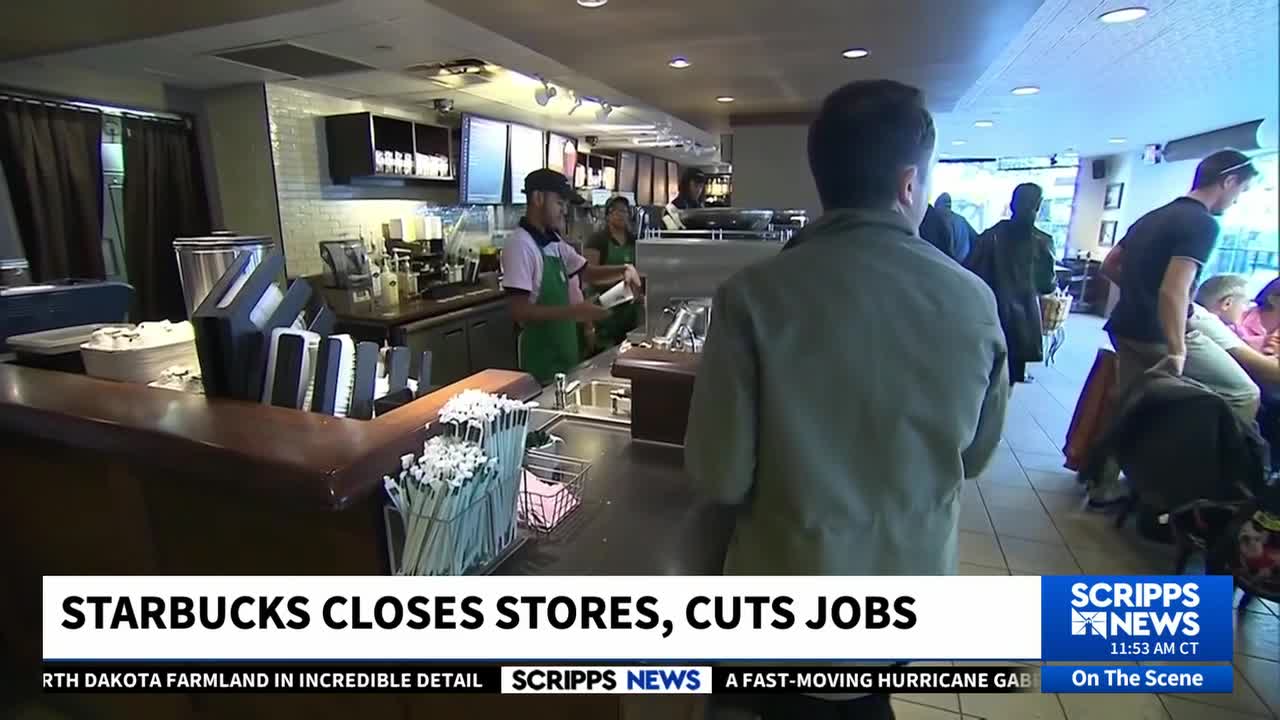
When Starbucks CEO Brian Nicol announced last month that the company would cut about 900 jobs and close about 1% of its stores, 59 union stores were among those closed.

Starbucks union plans picketing, holds possibility of strike vote

Days after Nicoll’s announced layoffs and store closures, some employees temporarily quit their jobs at various Starbucks locations, including Columbus, Ohio, Indianapolis, Nashville, and Eugene, Oregon, to draw attention to the contract fight.

The union has no end date for the current vote (members began voting on Friday, October 24), and no date has been set for a planned labor strike. But it’s about to hit its peak as Starbucks serves customers its last Pumpkin Spice Latte of the season, following the specialty coffee chain’s holiday menu and gearing up for its popular Red Cup Day on Nov. 13.

In February 2024, Starbucks and Workers United began negotiating contracts for union baristas. However, no contractual agreement has been reached, with each side blaming the other.

Unionized Starbucks baristas went on strike for five days during the 2024 holiday season after the two sides failed to reach an agreement, closing some cafes in Los Angeles, Chicago and Seattle. The company said there was no significant impact on store operations at the time during the strike.

In April 2025, representatives from Starbucks Workers United voted to reject Starbucks’ proposal to guarantee annual raises of at least 2%. According to the union, the company did not offer changes to financial benefits such as medical expenses or immediate raises. The company said at the time that the proposal was an “incomplete framework.”

Back in May, more than 1,200 union members went on strike to protest the new dress code policy. Last month, workers in three states filed lawsuits or complaints seeking refunds for purchases made to comply with the new dress code.

Michelle Eisen, a spokeswoman for Starbucks Workers United, said in a statement that the company “understands our position and understands our demands, including increased take-home pay, improved hours, and resolution of legal issues. Now is the time to finalize a deal this fall before the all-important holiday season.” “We are ready to negotiate whenever Starbucks is willing to negotiate in good faith and come up with a new offer that addresses our demands. For example, baristas across the country are calling on Starbucks to come back to the table and address our demands now.”

Starbucks says it is willing to negotiate with the union representing about 9,500 “partners,” or employees. “Workers United represents only about 4% of our partner companies, but they have chosen to walk away from the negotiating table. If they are willing to come back, we are ready to talk,” corporate spokesperson Jaycee Anderson said in a statement to USA TODAY.

“Any agreement must reflect the reality that Starbucks already offers its hourly partners the best jobs in retail, including salaries and benefits that average more than $30 an hour,” Anderson said. “We invest more than $500 million to have more partners in our stores during peak seasons. The facts show that people love working at Starbucks. Partner engagement is up, sales are nearly half the industry average, and we receive more than 1 million job applications a year.”

Where will Starbucks Workers United hold rallies and pickets?

Starbucks Workers United said it plans to rally and picket at locations in the following states through Nov. 2:

  • Alabama
  • arizona
  • arkansas
  • California
  • colorado
  • connecticut
  • florida
  • georgia
  • illinois
  • iowa
  • kentucky
  • maryland
  • Massachusetts
  • Michigan
  • minnesota
  • missouri
  • nevada
  • new hampshire
  • new york
  • north carolina
  • ohio
  • Oregon
  • pennsylvania
  • rhode island
  • texas
  • Utah
  • virginia
  • washington

Contributed by Michelle Del Rey, Stuart Dios, Bradley Horin, Samantha Pierotti, Emma Wozniak, USA Today Network and Reuters

Mike Snyder is a national trends news reporter for USA TODAY. You can follow him on Threads, Bluesky, and X, and email him at: mike snyder & @mikegsnider.bsky.social & @mikesnider & msnider@usatoday.com

What is everyone talking about? Sign up for our trending newsletter and get the latest news of the day

Inside the mathematics of detecting fraud in sports betting

0

play

No numbers were calculated.

Even before Terry Rozier withdrew from a 2023 NBA game due to statistical fraud, computers at an “integrity monitoring” company were warning of a slew of bets that didn’t match the mathematical model of how the game would go. The company, now called IC360, alerted the NBA and sportsbooks to unusual bets being placed on Rozier’s performance.

The investigation that led to the arrest of dozens of people, including the Miami Heat’s point guard, on illegal gambling charges began with math. The trial ended Oct. 23, and Rozier was charged with manipulating the performance of a 2023 match so that a knowledgeable gambler could win tens of thousands of dollars.

beep. Boo. It collapsed.

Federal authorities allege that more than $200,000 was bet on Rozier to perform below average in the match after Rozier told another defendant he would leave the match early due to injury. Rozier played 9 minutes and 34 seconds for the Charlotte Hornets in the game against the New Orleans Pelicans before leaving with an injury, and his points, assists and 3-point shooting totals were below his usual numbers.

Earlier this year, a similar mathematical model pointed to unusual bets on individual pitches thrown by Cleveland Guardians pitchers Emmanuel Clase and Luis Ortiz. Both were placed on indefinite leave of absence.

How do you use mathematics to catch cheaters?

Detection begins with prediction.

“When you aggregate the odds, you get a predictive model that predicts how the game will play out,” says Chris Rasmussen, who teaches sports integrity at the University of New Haven and has spent years investigating sports betting fraud for the World Lottery Association.

Based on the data behind the teams and players in the game, the model expects certain points from those players and predicts “expected actions.” When real-world betting behavior starts to deviate from the model’s predictions, “that’s when we start making observations,” Rasmussen explained. “Why is it off, how much is it off, and what’s going on?”

As a business or platform that bets on sporting events, bookmakers often work with integrity monitors like IC360 that analyze sports and betting data across markets and flag anomalous activity.

“It’s not necessarily the sportsbook’s job to prove fraud,” said Frank DiGiacomo, an attorney who specializes in gaming, sports betting and lottery law. “Their duty is to flag the situation and report it.” State regulators could then work with law enforcement to launch an investigation.

Monitoring models analyze expected behavior and track outliers, or numbers outside the expected range. Whether those numbers come from events in the game itself or from people placing unexpected bets on the game. The model then sends a signal when it detects something other than good luck at work.

When a new account sets a maximum bet, it immediately raises a red flag. “It’s really weird,” Rasmussen said. New bettors will likely be betting $10, $15 or $20 in their new accounts, rather than thousands of dollars, he said.

Similarly, if an existing account that normally bets $50 on a particular game suddenly bets $1,000, that unusual behavior could trigger an investigation.

“Of course, sometimes you just get lucky once,” Rasmussen said. “But if we keep getting lucky, maybe something will happen.”

How difficult is it to catch a scammer?

Since the U.S. Supreme Court overturned a federal ban on sports betting in 2018, 39 states, Washington, D.C., and Puerto Rico have legalized some form of sports betting.

Now that there are hundreds of thousands of bookmakers, Rasmussen said, it’s harder to catch fraud in sports betting because there are more betting opportunities. Once upon a time, bettors could only bet on major games, but now they can bet on games from college sports to esports, and there are more ways to hide them.

“Criminals are working 24/7, and so are we in law enforcement…it’s not the same as criminals,” he said.

Rasmussen emphasized the importance of human oversight to identify fraudulent activity, even though algorithms and artificial intelligence can process vast amounts of data.

“You still need a human behind you,” he said. “You have to really understand the betting market…you have to understand what prop bets and handicaps and things like that mean. You also have to understand that there’s a local aspect as well…there’s a difference between Chicago, Los Angeles and New York.”

Proposition bet, which allows a bettor to bet on a specific event or outcome within a game rather than the final outcome (for example, betting on who will score first). Or whether Terry Rozier is below average. Or whether Luis Ortiz throws an outside corner slider.

For DiGiacomo, the sports betting attorney, “a fundamental trust that the game is fair and the outcome is fair” is at the core of the sports betting industry.

“Otherwise, people won’t place bets even if they think a match is match-fixed,” he says.

If gaming operators fail to notify regulators, they may be subject to warnings, fines, and ultimately loss of license. “Licenses are a lifeline, so operators take them seriously,” DiGiacomo said.

The same applies to athletes, but the consequences can be severe and career-ending. Given the salaries that professional athletes currently earn, he added, “I would guess that losing years or perhaps being kicked out of the sport is probably a more significant financial penalty than the amount of money you could win on a bet.”

DiGiacomo warned that with Rozier’s arrest making headlines, athletes “should know for certain, certainly” that they cannot escape the regulated sports betting system.

“It’s a sad day for sports and for sports betting,” he said. “But I would say this is working as a system.”

Why are beef prices going up? What you need to know as a politician regarding cattle production

0

play

As Republicans and President Donald Trump continue to battle over beef prices, the president recently decided to quadruple the amount of beef parts imported from Argentina in an effort to lower prices.

The president said this week that U.S. ranchers are benefiting from tariffs he has imposed on imported goods, but prices need to come down to encourage Americans to buy their products, according to Reuters.

Mr. Trump’s proposal did not sit well with U.S. ranchers.

“If President Trump is truly an ally of America’s cattle producers, we call on him to abandon his attempts to manipulate the market,” Colin Woodall, CEO of the National Cattle Beef Association, said in a statement Wednesday.

Woodall pointed out that over the past five years, Argentina has shipped more than $800 million worth of beef to the United States, but has only purchased $7 million worth of American beef. He also said the country has a long history of foot-and-mouth disease and that the Department of Agriculture has not yet completed the steps necessary for Argentina to ensure the safety of products shipped to the United States.

Failure to complete the necessary measures risks further endangering the country’s cattle herds, he said.

According to Reuters, the tariff quota for Argentine beef will be raised to 80,000 tonnes, allowing Argentina to ship more cuts to the US at lower tariff rates. Beef prices have been steadily rising this year due to consumer demand and supply constraints.

Here’s everything you need to know about the ongoing beef situation in the United States.

Why has the price of beef increased?

According to USDA’s September Livestock, Dairy and Poultry Outlook Report, beef production forecasts are revised slightly downward in 2025, but will increase slightly in 2026.

Cattle prices hit record highs in August and September, the agency said, prompting price forecasts to be raised to the second half of 2025 and carried forward into 2026. August slaughter steer prices set a new monthly average record at $243.14 per hundredweight. That’s $6 more than July and nearly $54 more than last August. Weekly and wholesale cattle prices softened from daily highs recorded in late August but remained at historic highs.

From late July into August, weekly cattle slaughter experienced a seasonal decline to its lowest level since 2015. Cattle slaughter fell by 10% in August, the largest year-on-year decline for a month in 2025, according to an agency report.

According to the Labor Department, beef and veal prices rose 14.7% in September compared to the same period last year.

Tracking cattle prices helps economists understand how much ranchers are paid for the animals they raise. Economists track slaughter numbers to track middlemen in the meat market. Most cattle are sold to feed cattle that have been trimmed to weight before going to slaughterhouses or meat packers. These companies package products that are sent to wholesalers and end up in grocery stores and restaurants.

David P. Anderson, an agricultural economist and professor at Texas A&M University, told USA TODAY that today’s cattle prices are the result of a number of events that have occurred in recent years. In 2014, beef prices in the country reached record highs, a signal to ranchers to produce more.

Then the supply of cattle and beef increased in the United States, causing prices to fall. But since then, ranchers have been hit by several severe droughts in key producing areas, forcing them to reduce their herds, leading to a decline in beef production and higher prices. Meanwhile, consumer demand for beef is increasing as high-quality beef becomes more popular, Anderson said.

Ranchers have little control over the price consumers pay for beef, which is largely determined by meatpackers. Approximately 80% of all beef products in the United States come from four meat packers: Tyson Foods, JBS, Cargill, and National Beef. International companies buy from domestic and international ranchers.

Earlier this month, Reuters reported that Tyson Foods agreed to pay $85 million to settle a lawsuit by consumers who accused the company of colluding with rivals to raise pork prices by restricting pork supply in the $20 billion U.S. market. Plaintiffs in the lawsuit allege that the alleged conspiracy to increase profits and increase retail prices for the defendants continued from 2009 to 2018.

In February, Brazilian company JBS agreed to pay $83.5 million to resolve antitrust claims that it conspired with other meat processing companies to suppress supplies to the U.S. beef market and inflate prices, according to Reuters.

In federal courts in Minnesota and Chicago, plaintiffs are suing meat packers with similar claims related to the supply of beef, chicken and turkey.

What is President Trump saying about beef prices?

According to Reuters, President Trump said in the Oval Office on October 22, “Prices in our country are way down. The only thing that’s really going up is beef.” “We’re going to do something very quickly and easily to reduce beef, and ranchers understand that.”

“My beloved ranchers don’t understand that the only reason they’re doing so well for the first time in decades is because I’m imposing tariffs on cattle coming into the United States, including a 50% tariff on Brazil,” Trump added in a post on Truth Social.

“Prices also need to come down, because the consumer is a huge factor in my thinking.”

This week, the USDA announced its “Plan to Strengthen the U.S. Beef Industry: Strengthen Ranches, Rebuild Capacity, and Reduce Costs for Consumers.”

The plan aims to reduce long-term costs, increase marketing options and ensure consumers have “clear and truthful information about U.S. beef.”

Republican lawmakers have expressed concerns about the president’s plan. On Tuesday, eight Republican senators sent a letter to the president asking for additional information on the beef import plan.

“[We]call on the administration to ensure that any future decisions are made with full transparency, sound science, and a firm commitment to the U.S. cattle industry,” the letter, led by Rep. Julie Fedorchak (R-North Dakota), said.

Argentinian beef

As for Argentine beef, Anderson said he does not expect the president’s new policies to have a significant impact on beef prices. The United States imports 2.1% of its beef imports from Argentina.

“Most of what we import from them is usually very lean beef, the trimmings that make ground beef,” Anderson said. “A lot of that will probably go to restaurant food service burgers. It’s going to be very hard to see much of a price effect.”

Beef exports totaled 211 million pounds in July, down 19% from a year ago, according to the USDA report. Monthly exports to the top six markets increased by 15% year-on-year, excluding South Korea.

Exports to China, Mexico, and Taiwan were also low. Compared to July 2024, China’s exports decreased by 94%, exports to Taiwan decreased by nearly 26%, and exports to Mexico decreased by 17%.

Meanwhile, beef imports in June totaled 457 million pounds, an increase of approximately 13% from the same month last year. The countries from which the country imports beef, in descending order, are Brazil, Australia, Canada, New Zealand, and Mexico.

The USDA reported that additional tariffs on beef imports from Brazil that took effect in August are expected to continue to reduce the competitiveness of beef imports in the U.S. market.

Michelle Del Rey is a trending news reporter for USA TODAY. Please contact mdelrey@usatoday.com..

FDA finds more cookware that can leach lead into food

0

play

The Food and Drug Administration said in an expanded warning updated Oct. 15 that it has identified additional cookware that can leach lead into food.

The FDA issued an initial notice on August 13 and updated information on September 12 after testing pots made by Indian manufacturers and finding they were made with hindallium/hindrium or indalium/indolium, a metal alloy made from aluminum, aluminum alloys, and brass. According to the FDA, these substances are commonly found in some types of imported cookware, but are not used in the United States because of their tendency to leach lead into the food that is cooked or stored inside.

Since then, three more manufacturers/distributors and six more products have been added to the list.

The level of lead exposure considered safe is unknown, and some people, including young children, people of childbearing age and those who are breastfeeding, are at even higher risk of side effects, the agency warned.

Here’s what you need to know:

What cookware is included in the warning?

The FDA initially identified a problem with a product from one manufacturer, Saraswati Strips, an Indian aluminum cookware company. Ltd which sells its products under the brand name Tiger White. In September, two more manufacturers and/or distributors were added to the list, including Indian companies Goyal Group Inc. and Grain Market LLC, which sell under the brand name Silver Horse.

The October update added six new products from three new manufacturers and/or distributors.

◾New Reliance Traders Inc. sells products under the Royal Kitchen Cookware brand.

◾Win Chong Trading Corp. sells products under the umbrella of Town Food Service Equipment Co.

◾Indian Cookware & Appliance LLC sells unbranded products.

The other two products were unbranded and identified only by the store where they were sold.

The complete list of affected cookware products as of October includes:

◾Tiger White brand kadais/karahis or deep pots used for boiling and frying. The FDA tested two specific items labeled “Pure Aluminum Utensils Tiger White RTM No: 2608606 An ISO 9001:2015 Certified Co. Saraswati Strips Pvt. Ltd. India” at Mannan Supermarket in Jamaica, New York.

?Silver Horse brand “Aluminum Mathar Kadai 26”, ID number 765542730845.

◾Silver Horse brand “Aluminum Milk Pan 4”, ID number 765542728637. The FDA tested both Silver Horse products at the Patel Brothers Market in Schaumburg, Illinois.

◾ Vallabhdas brand “Aluminum Kadai India Bazaar #3”, ID number 200000007772. The FDA certified this product at the Indiaco store in Hoffman Estates, Illinois.

?Royal Kitchen’s cooking utensil brand “Milk Pan Size 3”. The FDA inspected bread sold at the Sabzi Bazaar store in Rochelle Park, New Jersey.

?Town Food Service brand “3qt aluminum saucepan”.

?Town Food Service brand “2qt aluminum saucepan”. The FDA tested both Town Food products at Best Kitchen Supply stores in Washington, DC.

?Dolphin brand “aluminum saucepan”. The FDA tested the pot at the DBA Diya Handicrafts store in Chicago.

◾Unbranded brass pot sold at the Santos Agency Store in San Leandro, California.

◾Unbranded “Kadai/Karahi Aluminum Hammered Kadai Size 7” bread sold at Indian Supermarket store in Sacramento, California.

The FDA warns that these are not the only products that may be affected, and more may be added as the investigation progresses.

What to do if you have affected products

Consumers should check their homes for any listed products or similar cooking utensils and dispose of them. Do not attempt to modify or repair cooking equipment.

If you are concerned about possible lead exposure, the FDA advises contacting your health care provider.

According to the FDA, retailers and distributors are responsible for ensuring the safety of the cookware they sell, and companies that may place affected products on the market must use FDA’s Cookware Lead Leaching Testing Protocol or another testing method. It is also recommended that you consult the FDA regarding the latest safety and regulatory status of food-related products.

Questions for FDA regarding this topic can be sent to premarkt@fda.hhs.gov.

What are the risks of lead exposure?

The FDA does not permit the use of lead in food-related products, including cookware parts and other food-contact surfaces.

Lead is toxic to humans and can be ingested if it leaches into items that the product comes into contact with, such as cookware. According to the FDA, even low-level exposures are associated with serious health problems, including fatigue, headaches, abdominal pain, vomiting, and neurological changes.

Exposure is especially dangerous for developing fetuses and children, and can cause learning disabilities, reduced IQ, and behavioral changes. Even if they don’t show obvious symptoms, babies and children can be permanently affected by elevated blood lead levels, especially because they are smaller and have smaller metabolisms.

President Trump uses $130 million anonymous donation to pay for military expenses

0

play

WASHINGTON – The Pentagon announced it will accept an anonymous $130 million donation from allies of President Donald Trump and use it to pay military personnel during the government shutdown.

The move marks a dramatic break from the government’s military funding process, which relies on funds appropriated by Congress. This comes as President Trump is also accepting private donations from wealthy donors to build a $300 billion ballroom on the White House grounds.

Pentagon spokesman Sean Parnell confirmed in an Oct. 24 statement that the department accepted the anonymous donation under its “general gift acceptance authority.”

“The donation was made on the condition that it be used to offset the cost of pay and benefits for service members,” Parnell said. “We are grateful for the support of this donor after Democrats chose to withhold paychecks from the military.”

President Trump mentioned the donation in remarks at the White House on Oct. 23, saying that “a friend of mine,” whom the president did not name, recently called him and told him “we want to donate what we’re missing because of the Democratic shutdown.”

“And today he sent us a check for $130 million,” President Trump said.

Military personnel have been working through the government shutdown that began Oct. 1, but like other “essential” workers, their pay is not guaranteed.

At the direction of President Trump, the Pentagon has made changes to the Pentagon’s budget to ensure that 1.3 million active-duty soldiers receive their latest paychecks on October 15th. However, it is unclear whether the government will have the funds to pay the next payroll on October 31st.

President Trump’s plan to use donations to pay military personnel has raised legal and ethical concerns from Democrats. The Pentagon’s March policy outlines how gifts can be used to maintain schools, hospitals and other buildings, and to injured military personnel. The policy also requires the department to consult with ethics officials before accepting gifts over $10,000.

“Using anonymous donations to fund our military raises the troubling question of whether our military is literally at risk of being bought and paid for by a foreign power,” Delaware Sen. Chris Coons, the top Democrat on the Senate Defense Appropriations subcommittee, told CNN.

The Pentagon has not said how much salary will be covered by the donation or how many payment cycles there will be.

President Trump did not reveal the names of the donors when asked by reporters.

President Trump said, “I would like to convey this message.” “If you really want to know the truth, he doesn’t really want to be recognized.”

X Contact Joey Garrison at @joeygarrison.

Norwegian cruise ship rescues 63 people in Ionian Sea

0

play

  • On October 22, a Norwegian Cruise Line ship rescued 63 people in the Ionian Sea.
  • Norwegian Epic provided medical evaluation, food, and comfort to those rescued.

A Norwegian Cruise Line ship has rescued more than 60 people in the Ionian Sea.

The cruise line’s Norwegian Epic responded to a search and rescue operation with Greek authorities on October 22 and safely rescued “63 people,” the company said.

“These individuals were brought onboard and cared for by the ship’s crew, who provided medical evaluations, meals, and other items to keep them comfortable,” Norwegian’s captain told USA TODAY in an emailed statement. “Following enforcement orders from the Rescue Coordination Center, the ship proceeded to Kalamata, Greece, where the rescued people were handed over to the Greek authorities.”

The cruise company did not reveal who the rescued people were. Greek authorities did not immediately respond to USA TODAY’s request for comment.

According to Cruise Mapper, the ship was scheduled to depart from Civitavecchia, Italy, on October 21 and make port calls in Greece, Malta, Italy and France. The ship then resumed sailing.

“We appreciate your patience and understanding during this unexpected travel disruption,” Norwegian added.

The news comes after a Holland America Line ship rescued two people from a wrecked sailboat in August during a cruise from Boston to Quebec City, Canada.

Nathan Diller is a consumer travel reporter for USA TODAY based in Nashville. Please contact us at ndiller@usatoday.com.

More than 350,000 J&D brush hair irons have been recalled. See affected models.

0


The curling iron was sold in-person at SalonCentric, Ulta, Sephora, Nordstrom, local salons and beauty stores, and online at Amazon and BioIonic.com from August 2022 to July 2024.

play

J&D Brush has recalled approximately 357,000 hair irons due to the risk of burns.

J&D Brush recalled its Bio-Ion 1-inch barrel curling iron on Thursday, October 23rd, due to concerns that the curling iron’s barrel could break or fall off, posing a risk of burns. This recall affects approximately 357,000 products, in addition to approximately 3,000 products sold in Canada.

According to the U.S. Consumer Product Safety Commission (CPSC), as of October 23, there have been 258 reports of burns caused by barrel removal, six of which were minor burns.

Here’s what you need to know about the J&D Brush curling iron recall.

What curling irons were recalled?

According to the CPSC, the recall applies to J&D Brush Bio Ionic 1-inch long barrel curling irons with model number LXT-CL-1.0 and date codes from July 2022 to December 2023. The model number is located on the handle of the curling iron. The date code is engraved on the protrusion of the plug.

The recalled curling iron weighs approximately 15 ounces and measures 15.8 inches long, 2.87 inches high and 1.65 inches wide, according to the CPSC.

The curling iron has a black handle and barrel, a blue “BIOIONIC” logo, and a black label with instructions for use.

Where was the recalled curling iron sold?

According to the CPSC, the recalled curling irons were sold in-person at SalonCentric, Ulta, Sephora, Nordstrom and local salons and beauty stores from August 2022 to July 2024, as well as online at Amazon and BioIonic.com for approximately $165.

What should I do if I have a hair iron that is subject to a recall?

According to the CPSC, consumers who own the recalled curling irons should immediately stop using them, unplug them and contact Bio Ionic to register for a free replacement. Consumers are asked to cut off the plug from their curling iron and return the plug using their prepaid shipping label.

To contact Bio Ionic, call 877-853-9627 between 10am and 4pm Eastern Time, Monday through Friday, or email longbarrelsupport@bbicompany.com. Consumers can also learn more by visiting the Bio Ionic website and clicking on “Product Recall” at the bottom of the homepage. The recall number for the curling iron is 26-046.

Greta Cross is USA TODAY’s national trends reporter. Story ideas? Email her at gcross@usatoday.com.

Forecast for Tropical Storm Melissa Hurricane. Spaghetti model, see path.

0

play

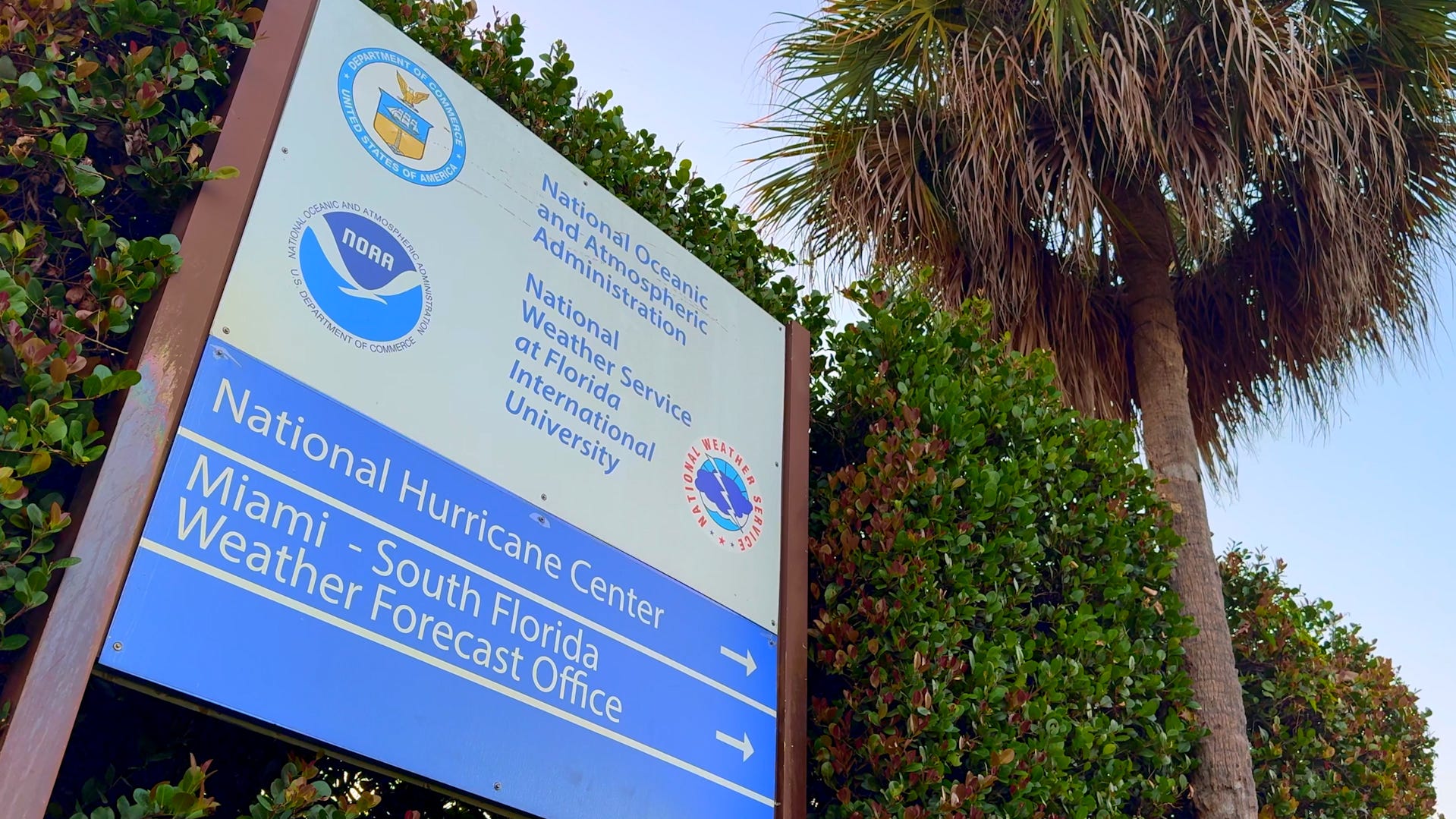
Tropical Storm Melissa continues to circle the Caribbean Sea. at the same time, The National Hurricane Center (NHC) said “catastrophic and life-threatening flash flooding and landslides” are expected to occur in southern Hispaniola and parts of Jamaica over the weekend.

In an advisory issued at 2:00 pm ET on Friday, October 24, the NHC announced that Melissa is located approximately 400 miles southwest of Port-au-Prince and approximately 330 miles southeast of Kingston, Jamaica, with maximum sustained wind speeds of 60 mph and stronger wind gusts.

Melissa is expected to become a hurricane by Saturday and a major hurricane by Sunday, October 26th.

A hurricane watch is in effect for the area that borders Jamaica and the Dominican Republic from southwest Haiti to Port-au-Prince. Along with Jamaica, the peninsula is also under a tropical storm warning.

“Due to Melissa’s slow movement, Jamaica continues to face an increased risk of potentially damaging winds, heavy rains that could cause life-threatening flash flooding and numerous landslides, and storm surge over the next few days,” said NHC forecaster Philippe Papan.

Heavy rains are expected to cause “catastrophic flash floods and landslides across southwestern Haiti into early next week,” Papan said, adding: “Significant damage to roads and buildings is expected.”

Forecasters said Melissa was drifting east-southeast at 2 mph. It is expected to turn northeast and north in “continued slow motion” during the afternoon or evening of Friday, October 24th. The storm will then move westward on Saturday, October 25th and continue into Monday, October 27th. By early next week, the storm is expected to move near or just south of Jamaica.

Tropical Storm Melissa could become a Category 5 hurricane

According to AccuWeather, this storm could be one of the strongest storms of the season.

“The very warm ocean, which can reach depths of several hundred feet, will act like jet fuel and provide additional energy to Melissa,” said Alex DaSilva, lead hurricane expert at AccuWeather. “The warmest waters in the Atlantic Basin are in the central Caribbean and are in the direct path of this storm. It is not inconceivable that it could rapidly strengthen into a Category 5 hurricane this weekend.”

The storm could bring strong winds that could damage buildings, knock down trees, and cause widespread power outages and communications disruptions.

‘Life-threatening’ conditions expected across the Caribbean

Through Sunday night, Tropical Storm Melissa is expected to dump 8 to 14 inches of rain across the southern Dominican Republic, southern Haiti, and eastern Jamaica. A hurricane is possible in Haiti on Saturday and in Jamaica late Saturday or early Sunday.

Three to five inches of rain is expected to fall in the northern Dominican Republic, northern Haiti and western Jamaica through Sunday night, potentially increasing the impact of flooding across Jamaica next week.

The southern Dominican Republic and eastern Jamaica are expected to face “life-threatening flash flooding and numerous landslides,” according to the NHC. “Catastrophic” flash floods and landslides are also expected in southern Haiti.

Tropical Storm Melissa Path Tracker

This predicted track shows the most likely path of the storm’s center. This does not indicate the full width of the storm or its impact, and the center of the storm can move outside the cone up to 33% of the time.

Tropical Storm Melissa Spaghetti Model

Illustrations include a variety of predictive tools and models, and not all are created equal. The Hurricane Center uses only the top four or five best-performing models to make predictions..

How do hurricanes form?

Hurricanes are formed over warm water in the tropics. Thunderstorms can form over the ocean when water temperatures exceed 80 degrees. If conditions are right, the cluster will swirl into a storm known as a tropical wave or tropical cyclone.

A tropical cyclone becomes a named tropical cyclone when its sustained wind speed reaches 39 miles per hour. When wind speeds reach 114 miles per hour, a storm officially becomes a hurricane.

Prepare for hurricanes now

Delaying potentially life-saving preparations could mean waiting until it’s too late. The National Oceanic and Atmospheric Administration recommends, “Get disaster supplies while shelves are stocked and get your insurance check early, as flood insurance requires a 30-day waiting period.”

  • make an evacuation plan. If you are in danger of a hurricane, you need an evacuation plan. Now is the time to start planning where you’re going and how you’re going to get there.
  • Prepare disaster prevention supplies. Whether you’re evacuating or sheltering in place, you’ll need supplies to not only survive the storm, but also likely for the long-term aftermath, NOAA says.
  • Get an insurance check and fill out the paperwork with your belongings. Contact your insurance company or agent today to make sure you have enough insurance to repair or replace your home and belongings. Note that home insurance and renters insurance do not cover floods, so you will need separate insurance for those. Flood insurance is available through your company, agent, or the National Flood Insurance Program.
  • Create a family communication plan. NOAA says you should take the time now to write down your hurricane plan and share it with your family. Decide where your family will gather, and be sure to include locations outside the city in case you evacuate.
  • strengthen your home. Now is the time to make your home more resilient to hurricanes. We cut down trees and install storm shutters, accordion shutters, and impact-resistant glass. Seal openings in exterior walls.

This story has been updated with new information.

Contributor: Jonathan Limehouse, USA TODAY

Julia is a trends reporter for USA TODAY, covering scientific research and trending news. Connect with her on LinkedIn ×Instagram, TikTok: @juliamaigz or email jgomez@hannett.com..

Gabe Hauari is USA TODAY’s national trends news reporter. You can follow him at X @gabehauari Or email Gdhauari@gannett.com.

Trump Jr. slams Chelsea Clinton’s criticism of destroying the East Wing

0


This is not the first online showdown between the children of President Donald Trump and Bill Clinton. This concerns President Trump’s demolition of the East Wing of the White House.

play

  • Chelsea Clinton criticized Donald Trump’s renovation of the East Wing of the White House in an op-ed for USA TODAY.
  • Donald Trump Jr. responded on social media, referencing past controversies involving Clinton’s parents.
  • The two have a history of exchanging critical comments about each other on social media platforms.

Donald Trump Jr. slammed Chelsea Clinton on social media after she criticized his father’s demolition of the East Wing of the White House.

On Oct. 23, Clinton promoted a USA TODAY op-ed article on social media platform

Chelsea, 45, the daughter of former President Bill Clinton and former Secretary of State Hillary Clinton, who lived in the White House from 1993 to 2001, said it was “disturbing” to see Trump make such drastic changes to the 225-year-old White House without any apparent historic preservation studies or involvement of historians.

“The erasure of the East Tower is not just about marble and plaster. President Trump is once again bringing the wrecking ball to our nation’s heritage while targeting our democracy and the rule of law,” Clinton wrote in a letter to X on Oct. 23.

Trump Jr. responded on Oct. 24, specifically targeting his parents and President Clinton.

“Lol, your parents tried to steal furniture and silverware from the White House…and let’s not get over the intern,” Trump Jr. wrote, thinly referencing President Clinton’s scandal with former White House intern Monica Lewinsky. “Please sit down.”

Chelsea Clinton apparently didn’t respond. However, the two are no strangers to attacking each other on social media.

One of the more recent incidents occurred in August 2024, when Trump Jr. mocked Clinton on X over a New York Post article that reported that Clinton was seeking an ambassadorial role in a potential Kamala Harris administration.

In response, Clinton denied the rumors and went after Trump Jr., who believed them. ”

In an opinion piece for USA TODAY, Clinton acknowledged that past presidents and first ladies have made changes to the White House that have “added elements of efficiency, comfort and beauty.” But she said there was no evidence the president consulted with experts to preserve the building’s history and integrity.

“With less than a year left until we celebrate our nation’s 250th anniversary, it is disturbing that such major renovations to the 225-year-old People’s Hall are being undertaken with no consideration for historic preservation and no involvement from historians, and I want to be proven wrong,” Clinton wrote.

What is the difference between Cadillac Escalade and Escalade IQ?

0

play

  • The 2025 Cadillac Escalade and Escalade IQ are both large, three-row luxury SUVs.
  • The most notable difference is that the classic Escalade runs on gas, while the IQ is battery powered.
  • However, powertrain contrasts are just the beginning of the differences between the vehicles.

The Cadillac Escalade has been an iconic symbol of luxury and comfort since its debut in 1999.

It started out as a badged-up GMC Yukon with a 5.7-liter V8 making 255 horsepower. More than 25 years later, the Escalade is still the poster child for luxury SUVs, although things have changed. Starting in 2024, Cadillac has evolved the Escalade nameplate and now offers two versions of the vehicle: the classic gas-powered Escalade and the Escalade IQ.

There are obvious differences. IQ is battery powered. But it’s more than powertrain differences that separate this luxury behemoth.

Design: Cadillac DNA in two forms

Visually, both the Escalade and Escalade IQ are bold, recognizable vehicles. However, the IQ takes things a step further with larger dimensions and a slightly futuristic look.

The electric Escalade IQ is more than a foot longer than the standard Escalade, and its wheelbase is two inches longer than the ESV, the longest version of the gas-powered Escalade. The Escalade IQ’s wheelbase is 136.2 inches, an additional 15 inches over the standard wheelbase version of the Escalade (121-inch wheelbase).

Both cars resemble Cadillacs. However, the internal combustion engine Escalade has a slightly more traditional Escalade look, and the IQ features an illuminated grille, sloping roofline, and paint-matched pillars behind the third-row windows, unlike the standard Escalade, which has an all-glass finish at the rear of the vehicle.

Inside, both models flaunt a huge 55-inch display screen across the dashboard. A passenger-side screen invisible to the driver adds privacy and luxurious entertainment. IQ has up to 126 ambient lighting colors, giving EV drivers the option to customize the ambience.

Power and performance: gas and electricity

Although the 2025 Escalade offers a traditional gasoline-powered powertrain, Cadillac has significantly advanced the three-row SUV’s power performance since its 255-horsepower debut.

The ICE Escalade comes standard with a 6.2-liter V8 that produces an impressive 420 horsepower. And if you want outrageous power combined with luxury, the 682-horsepower V-Series model with its supercharged V8 is the way to go.

But most of the power available in the Escalade comes in the form of electricity.

The Escalade IQ features dual electric motors, full-time all-wheel drive, and 750 horsepower in high-performance mode. Even in standard configuration, the IQ puts out 680 horsepower, which is just shy of the top numbers of the top-performing ICE models.

Generally, EVs are heavier than internal combustion engine EVs. The same goes for the Escalade and Escalade IQ. The gasoline Escalade weighs 6,014 pounds. The IQ, on the other hand, weighs a whopping 9,134 pounds, making it one of the heaviest passenger cars on the market.

The battery-powered IQ accelerates from 0 to 60 mph in just 4.7 seconds and has an estimated range of 460 miles on its 205 kWh lithium-ion battery. The top-performing ICE Escalade does 0-60 in 4.4 seconds, slightly better than its heavier counterpart. The standard Escalade does 0-60 in about 6 seconds.

Technology and comfort: electric luxury

Where the new Escalade IQ outperforms its big brother is in technology.

The IQ has four-wheel steering, an unusual feature, with a turning radius 6.5 feet smaller than the standard Escalade. In addition to the light steering of a large vehicle, the Escalade IQ offers plush suspension with adaptive air suspension and magnetic ride control.

All trim levels of the Escalade IQ are equipped with power-opening, obstacle-sensing doors, making it the best choice for drivers. Thanks to the electric powertrain, the IQ has a 12.2 cubic foot front trunk with sliding tray and organizer.

However, the 2025 gasoline Escalade is not left behind. It shares many of the IQ’s high-tech features, but not all trim levels. The classic Escalade’s two highest trim levels are equipped with the same executive second-row package with power doors, massaging seats, tray table, and headrest speakers. The Escalade comes standard with Super Cruise hands-free driving feature.

One notable difference between the two vehicles is that the gas-powered Escalade comes with Apple CarPlay and Android Auto standard, while the Escalade IQ lacks these features and relies on GM’s native infotainment system.

Pricing: Exclusivity and relative accessibility

The Escalade IQ comes with a hefty price tag. Prices start at $127,700 and reach more than $150,000 for higher trim levels like the Sport 2, excluding options and a $2,290 destination charge. For that price, buyers get what Cadillac calls the most advanced full-size luxury electric SUV on the market today.

Pricing for the 2025 gas-powered Escalade is slightly lower, starting at $88,100. Higher trim levels start to mirror the IQ’s pricing, reaching an MSRP of $176,000. This makes the gas-powered Escalade a more affordable option, but it’s still a very expensive vehicle.

Is the National Guard in Chicago? Latest on ‘blitzkrieg’ legal challenge

0

play

  • President Donald Trump’s “Operation Midway Blitz” immigration crackdown continues in Chicago despite legal challenges.
  • A federal judge temporarily blocked the deployment of the National Guard to assist immigration officials.
  • Another judge restricted the use of chemical weapons by federal agents and ordered them to wear body cameras.

President Donald Trump’s immigration crackdown is moving forward in Chicago, despite continued pushback on the ground and in the courts.

Operation Midway Blitz began on September 8, with the Department of Homeland Security saying it would target “the worst of the worst” among illegal aliens. They say they have arrested more than 1,500 people, but USA TODAY has not been able to independently confirm that number. Federal immigration authorities have followed people in cars during apartment raids, rappelled from helicopters and clashed with protesters at suburban properties.

President Trump had deployed the National Guard to assist immigration officials, but that, along with other DHS efforts, was challenged in court. What’s the latest on those cases? Here’s what you need to know.

Is the National Guard deployed to Chicago?

The U.S. Supreme Court is currently considering whether to allow President Trump to send troops to Chicago..

In early October, President Trump planned to send hundreds of Illinois and Texas National Guard troops to the Chicago area as part of Operation Blitz. His lawyers argued that agents cannot enforce federal law without the help of the military and that their backlash in Chicago amounted to a potential “insurrection.”

But in response to a lawsuit from the Illinois Attorney General’s Office, U.S. District Judge April M. Perry blocked the White House from sending troops. Perry questioned whether the Department of Homeland Security claims cited by White House lawyers in their arguments were “tied to reality.”

Trump’s lawyers appealed Perry’s ruling, but the U.S. 7th Circuit Court of Appeals upheld Perry’s ruling in a unanimous decision. But Trump’s lawyers appealed again, and the case is now before the Supreme Court. It is unclear when they will be able to govern.

Trump administration lawyers agreed to keep Perry’s order barring the deployment of the National Guard in place pending a Supreme Court ruling. The Chicago Sun-Times reports that legal experts say the White House’s proposal shows it believes the high court will rule in its favor.

DHS employees sued over chemical weapons use

A group of journalists, clergy, and protesters also filed a lawsuit against Department of Homeland Security officials over the use of chemical weapons against people in the Chicago area. At an Oct. 9 court hearing, Assistant Attorney General Eric Hamilton said federal agents deployed $100,000 in non-lethal weapons to stop “rioters” from interfering with immigration.

U.S. District Judge Sarah L. Ellis issued an order restricting agents’ use of chemical weapons in the Chicago area and forcing them to wear identification cards.

Concerned that immigration officials were not following his orders, Ellis amended his orders a week later, on October 16, to ensure officers were equipped with body-worn cameras. She also ordered top officials from the Department of Homeland Security to appear in court and testify.

Customs and Border Protection Incident Deputy Commander. Kyle Harvick and Immigration and Customs Enforcement Deputy Director Sean Byers told a judge on Oct. 20 that agents were acting on her order to issue a warning before using chemical weapons.

Local residents who have been tear gassed say they did not hear the warnings being issued. Harvick and Byers’ testimony came after Perry found the Department of Homeland Security’s account of events in the city unreliable in a separate case.

Mr. Harvick also justified federal agents shooting a local pastor with a pepper ball. A clip of the incident shows the Rev. David Black standing among a group of protesters when he is shot directly in the head by officers stationed on the roof of the building.

“What is not shown is that he was given multiple orders to move,” Harvick said.

Byers said 75 people were arrested in connection with attempts to thwart immigration enforcement in the Chicago area.

Next, Ellis authorized the removal of Gregory Bovino, the commander in chief of Customs and Border Protection, in connection with his instructions to agents. Bovino is the face of the Blitz. Among the actions he participated in were the raid on Little Village and the September 30 raid on the South Side Apartment Building, where he witnessed agents rappelling from a Black Hawk helicopter.

Lawsuits against protesters who don’t get the Trump administration’s way

People across the Chicago area filled the streets to protest President Trump’s immigration crackdown. In particular, the Department of Homeland Security’s detainee processing facility outside Broadview has been a hotbed of protests, with the attorney general pledging on September 29 that “violence against federal employees will not be tolerated.”

“The Department of Justice is deploying officers to secure ICE facilities, arrest violent instigators on the spot, and bring the strongest federal charges possible. The rule of law will prevail,” Bondi told X.

So far, the case has not gone the way the Trump administration had hoped.

On September 29, the U.S. Attorney’s Office announced charges against five people in connection with protests outside an immigration enforcement processing facility. Charges against four of them were dropped, and charges against 70-year-old Vietnam War-era veteran Dana Briggs were reduced to a misdemeanor.

The charges against Ray Collins, 31, and Jocelyn Robredo, 30, were dropped after a grand jury declined to return the indictment, which is unusual in the federal system. Federal officials initially touted the couple’s arrest as an example of the type of violence law enforcement faced. Both men were found to be in possession of guns at the time of their arrest. However, it turns out they were legally in possession of guns.

Chicago man accused of punching Border Patrol officer

Juan Espinoza Martinez, a native of Mexico, is accused of offering $10,000 to kill Bovino, the face of the Trump administration’s Chicago-area crackdown.

In a news release, the Department of Homeland Security shared a screenshot of an alleged Snapchat message sent by a 37-year-old man that offered $2,000 for information about Bovino and “$10,000 if we could take him down.”

Espinoza Martinez’s attorney said his client is innocent.

A jury trial in the case is scheduled to begin the week of January 20th.

Woman shot and killed by Border Patrol faces charges

Miramar Martinez and Anthony Ian Santos Ruiz are charged with assaulting a federal officer in connection with an incident dating back to Oct. 4. According to federal court filings, the two men were chasing Border Patrol agents in their car when they crashed into the agent’s vehicle in the Southwest Side neighborhood of Brighton Park.

Prosecutors said investigators fired five shots at Martinez in self-defense at the scene of the accident. At the Oct. 15 arraignment, the bandage from the wound could be seen peeking out of the orange jumpsuit Martinez wore to court.

Martinez’s lawyers have argued that federal agents attacked his client, and attorney Christopher Parente said during an Oct. 15 hearing that “we don’t think this is a complicated case.” “This was a traffic accident where one of the drivers got out and shot the other driver.”

A jury trial in the case is scheduled to begin on February 2nd.

Aldermen detained by federal agents files lawsuit

Aldo. Chicago City Councilman Jesse Fuentes filed a lawsuit against federal officials after he was briefly detained at a hospital in his jurisdiction. Mr. Fuentes asked the agents if they had a judicial warrant to arrest the suspects they were pursuing inside the facility.

The agents handcuffed her, took her outside and threatened to arrest her if she returned to the hospital, according to a copy of the complaint shared with USA TODAY.

Mr. Fuentes filed a lawsuit seeking $100,000 in damages under the Federal Tort Claims Act in response to the incident.

Legal experts say filing charges against federal officials can be extremely difficult. However, Federal Tort Claims Law suits hold the U.S. government responsible, rather than the officers individually, and are thought to have the potential to hold the officers liable.

Immigration officers come under intense scrutiny for warrantless arrests

Another case underway in federal court in Chicago concerns whether immigration officials have warrants for people they arrest in the area.

A 2022 lawsuit settlement agreement in the Northern District of Illinois limits how ICE officers can make arrests during traffic stops without a warrant.

In response to immigration crackdowns under the Trump administration, the plaintiffs in the case filed notices that immigration officials violated the settlement agreement.

A federal judge has already found that at least 22 people have been arrested by immigration officials in violation of the agreement, according to court filings. Mark Fleming, a lawyer involved in the case for the National Immigration Justice Center, said the judge allowed the people to be released and ordered the arresting officers to retrain.

Fleming said the plaintiffs in the case will continue to notify the court of potential further breaches of the agreement.

Kinsey Crowley is a Trump Connect reporter for the USA TODAY Network. Please contact kcrowley@gannett.com. Follow her on X and TikTok @kinseycrowley or Bluesky (@kinseycrowley.bsky.social).

Hurricane forecast warns that Melissa could bring ‘disaster’ to Jamaica

0


AccuWeather chief hurricane expert Alex DaSilva warned that hurricane conditions could continue for three consecutive days in some locations.

play

As of Friday afternoon, October 24, Tropical Storm Melissa continues to circle the central Caribbean, with the island nation of Jamaica located almost directly in the path of the fast-growing hurricane.

Hispaniola and Cuba are also under fire, but forecasters at the National Hurricane Center said on October 23 that Jamaica could face the worst of the storm’s ferocity in the short term.

“Due to Melissa’s slow movement, Jamaica continues to face an increased risk of potentially damaging winds for several days, heavy rains that could cause life-threatening flash flooding and numerous landslides, and coastal flooding,” the hurricane center said.

“High winds and heavy rains are likely to begin in Jamaica by Friday (October 24) or Saturday (October 25), prompting urgent preparations to protect life and property,” the hurricane center warned.

Models sound the alarm over Jamaica’s forecast

Andrew Hazelton, an associate scientist at the University of Miami’s Oceanic and Atmospheric Institute, told X on Oct. 23 that “we’re becoming increasingly concerned about the possibility of an approach or direct hit from Melissa towards Jamaica. Overnight hurricane models are trending towards it, and everything points to an impact on the island.”

In fact, according to the Hurricane Center, “various model solutions point to Melissa south of Jamaica, over Jamaica, or north of Jamaica.”

Heavy rain is expected across Jamaica, and “precipitation totals from multiple models suggest there is a good chance the storm totals will exceed 24 inches, with localized amounts exceeding 30 inches,” meteorologists Bob Henson and Jeff Masters wrote in their blog Eye on the Storm.

3-day hurricane conditions could cause ‘slow-motion disaster’

The storm will gain strength and move slowly over the northern Caribbean Sea over the next few days. “Melissa is expected to rapidly strengthen into a major hurricane as it slowly swirls over the warm waters of the Caribbean Sea. The storm is expected to move very slowly, potentially keeping some areas of Jamaica under hurricane conditions for more than 72 hours,” warned Alex DaSilva, AccuWeather’s lead hurricane expert.

“Melissa is developing into a slow-motion disaster. Millions of people are at risk of devastating effects. We are increasingly concerned about the threat of an unfolding humanitarian disaster.”

Melissa could become a Category 5 hurricane

Some forecast models indicate that Melissa will strengthen to a Category 5 hurricane in the coming days, but the Hurricane Center’s official forecast says it will only reach Category 4 strength at 150 mph.

Houston-based meteorologist Matt Lanza said in his Substack the Eyewall that Melissa will likely move slowly over the warmest, deepest waters of the Atlantic Basin.

Hurricanes gain power when they move over warm, deep water that is at least 80 degrees.

“The very warm ocean, which reaches depths of several hundred feet, acts like jet fuel and provides additional energy for Melissa,” DaSilva said. “The warmest waters in the Atlantic Basin are in the central Caribbean and are in the direct path of this storm. It is not inconceivable that it could rapidly strengthen into a Category 5 hurricane this weekend.”

A Category 5 hurricane has sustained wind speeds of at least 157 miles per hour.

How often do hurricanes hit Jamaica?

According to the Jamaican government, based on historical data, hurricanes strike Jamaica on average approximately once every 10 to 11 years. A hurricane approaches (without a direct hit) about every four years.

Over the years, many hurricanes have approached Jamaica, including Category 4 Hurricane Ivan (2004), Category 4 Hurricane Dean (2007), and the direct hit of Hurricane Sandy in 2012.

The most powerful hurricane on record was Hurricane Gilbert in 1988, which made landfall as a high-end Category 3.

Contributors: Julia Gomez and Gabe Hauari, USA TODAY

Social Security COLA in 2026 already lags inflation at 2.8% and could get worse.

0

play

Seniors will see a 2.8% increase in their monthly Social Security checks in 2026, which will likely disappoint most Americans, according to a study by the nonprofit advocacy group AARP.

The 2.8% cost of living (COLA) increase means Social Security benefits will increase by about $56 per month starting in January, when the COLA begins, the Social Security Administration said. A letter will be mailed to beneficiaries in December informing them of the new monthly contents, the SSA said. Those who have personal items my Social Security accounts will now be able to view COLA notices online faster.

Annual COLAs are meant to help seniors keep up with inflation, but only 22% of Americans 50 and older agree that a COLA of about 3% is enough to keep up with price increases, and 77% disagree, a survey of 1,000 seniors conducted between Sept. 18 and 23 found. This opinion is consistent regardless of party affiliation, with 75% of Republicans, 82% of independents, and 79% of Democrats expressing opposition.

Mary Johnson, an independent Social Security and Medicare policy analyst, said next year, “Medicare premium increases alone could wipe out many seniors’ COLAs by 2026.”

How much will Medicare take in Social Security?

Medicare Part B premiums and some Part D drug plan premiums in 2026 could challenge the largest $21.60 increase in program history set in 2022. Part B premiums have not yet been released, but the Medicare Administrative Board estimates that the standard monthly premium for Part B will increase from $185 in 2025 to between $21.50 and $206.50 in 2026.

Part B covers outpatient care, physician services, durable medical equipment, and preventive services. Optional Part D covers prescription drugs.

The Centers for Medicare and Medicaid Services (CMS) is expected to release Medicare Part B costs in late November, the SSA said. SSA needs to know the premiums in order to accurately calculate and notify beneficiaries of their 2026 Social Security checks. Medicare Part B premiums are automatically deducted from most Social Security recipients’ monthly payments.

Meanwhile, some Part D plans will increase premiums by as much as $50 in 2026, the maximum allowed under the Part D Premium Stabilization Demonstration Program, according to KFF, a nonprofit, nonpartisan research group.

““Complicating the situation is that there are fewer independent Part D plans to choose from,” Johnson said, noting that the total number of prescription drug plans has been cut in half since 2024, KFF said.

As an example, Johnson said the current drug plan will cost $1,079, up from $395 this year. After looking around, she found that her cheapest option was a standalone Part D plan that covered two common generic drugs and would cost about $605, including premiums, if she switched. But her combined premiums and drug costs will continue to increase next year by $210, or 53%, over her current plan.

“Yes, we are far from a 2.8% increase in COLA,” Johnson said.

Is 2026 COLA larger than normal?

Next year’s 2.8% increase is below average. According to SSA, COLA growth has averaged 3.1% over the past 10 years, resulting in a COLA of 2.5% in 2025.

COLA in 2026 is already below the inflation rate. The annual inflation rate in September was 3.0%, according to the Bureau of Labor Statistics. This is higher than the Federal Reserve’s target of 2% and the long-term average of about 2.5%. Many economists expect inflation to exceed 3% next year, driven in part by President Donald Trump’s tariffs, and continue to outpace backward-looking COLAs, further straining seniors’ already limited budgets.

“Even if your income increases by a few percentage points, inflation still creeps up every year, working against you in the same way that compound interest works against you,” says Kim Scourer, a financial expert at World Financial Group. “When prices rise faster than benefits, the dollar slowly loses its power.”

What should cola be like?

When AARP asked survey participants what kind of COLA they needed to cover their daily living expenses, 72% of older Americans said 5% or more, and 26% said they needed an 8% increase to keep up with rising costs. The answers to this question were also consistent across party affiliations, the advocacy group said.

What will happen to the seniors?

Experts say many older people could fall into poverty if they are unable to keep up with increased spending.

“A few extra dollars[from a COLA]doesn’t provide true financial security,” said Ramsey Alwyn, president and CEO of the National Council on Aging, a nonprofit organization focused on aging Americans.

The Census Bureau reported in August that poverty among adults 65 and older increased in 2024 from the previous year. This was the only age group that saw an increase. Based on the most comprehensive measure of poverty, the poverty rate rose from 14.2% to 15%, the highest level among all age groups.

How is COLA calculated?

Each year, the Social Security Administration bases the COLA on the average annual increase in the Consumer Price Index for Urban Salary and Office Workers (CPI-W) from July through September.

The urban salaried index primarily reflects a broader index published monthly by the Department of Labor, but may vary slightly. Last month, the overall consumer price index increased by 3.0%, and the urban salaried index increased by 2.9%.

How many Americans receive Social Security?

More than 74.5 million people received Social Security benefits in August, according to the Social Security Administration. These beneficiaries include retired workers, disabled workers, survivors of deceased workers, and people receiving Supplemental Security Income.

Medora Lee is USA TODAY’s money, markets and personal finance reporter. Please contact us at mjlee@usatoday.com. Subscribe to our free Daily Money newsletter for personal finance tips and business news every Monday through Friday morning.

NBA insider reaction to gambling scandal: “These guys are idiots”

0

play

Less than a week into the new NBA season, the league has been hit by a massive gambling scandal, with more than 30 people facing multiple charges.

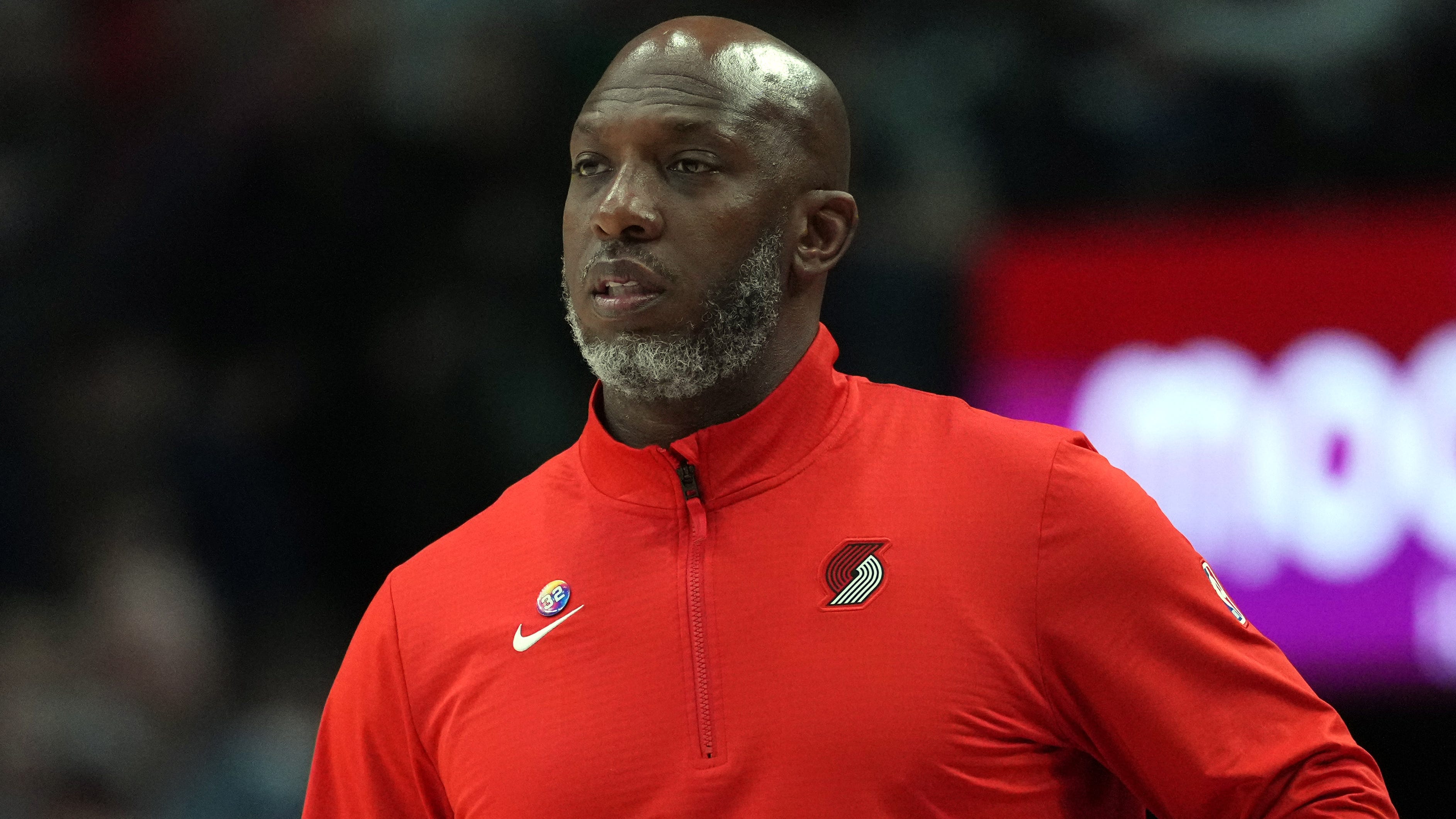
Portland Trail Blazers coach Chauncey Billups, Miami Heat guard Terry Rozier and former NBA player Damon Jones were arrested as part of the investigation. Billups and Rozier were placed on “immediate administrative leave” after being charged.

FBI Director Kash Patel and U.S. Attorney Joseph Nocera Jr. for the Eastern District of New York announced the indictment on Thursday.

Billups was charged in connection with an illegal poker business with ties to the Mafia. He and the other defendants are accused of using high-tech cheating techniques to rig illegal poker games and steal millions of dollars from victims.

Rozier is charged with insider sports betting conspiracy. The Miami Heat guard allegedly shared nonpublic information about NBA teams and players with bettors from December 2022 to March 2024.

Both Rozier and Billups deny the charges. Jones is charged in connection with both.

This is one of the most shocking stories to impact the league in recent history. Here’s how prominent league stars, analysts and celebrities are reacting to this development.

NBA analysts, Hall of Famers react to scandal

ESPN’s “Inside the NBA” staff, which includes former NBA players Shaquille O’Neal, Kenny Smith and Charles Barkley, weighed in on the scandal on October 23.

O’Neal said he had played card games with his teammates when he was in the league, but it was limited to that because the NBA told players “what not to do.”

“One of them was that someone would ask you if a certain player was playing and you would say no,” O’Neal said. “They all knew what was at stake. I’m just ashamed that they put themselves, their families and the NBA in this position. We all know the rules, we all know the letter of the law.”

Smith said he was surprised considering how much money Billups, Rozier, Jones and others made for their roles in the alleged fraud.

“But we need to recognize that gambling is an addiction,” Smith continued. “When you’re addicted, you make illogical decisions…regardless of your ethnic background, your physical background, your economic situation. So let’s understand that.”

Smith also cautioned against projecting these allegations onto the league as a whole.

“Just because some people get speeding tickets doesn’t mean everyone in the league speeds,” he said. “So don’t look at this group of people starting to be investigated as a league as a whole.”

Charles Barkley refuted Smith’s claims that what Rozier was allegedly doing was not a gambling addiction.

“These guys are idiots,” Barkley said. “You can’t fix the game of basketball under any circumstances… How much profit can (Rozier) make by leaving the game to go under? For example, he makes $26 million (a year).”

Barclay made it clear that Billups’ charges were a separate matter, but argued that the alleged behavior could not be explained by addiction.

“The idea that these guys are making all this money and giving out information, stop it,” Barclay said. “It has nothing to do with addiction. It’s the complete stupidity of these two (sic).”

Mychal Thompson, a former NBA champion with the Los Angeles Lakers in 1987 and 1988, said he was “in a state of shock” when he heard the news.

“The thing that comes to mind for me is, whether you’re an athlete or a coach or anyone who’s involved in gambling and thinks about gambling today, why should you gamble?” Thompson told USA TODAY Sports. “I mean, players are making tens of millions of dollars, so why … why should they make a few thousand more? Why risk their career when they can make $100 million or $200 million?”

That doesn’t make sense to me. ”

NBA players, coaches and others react to gambling scandal

Two-time NBA MVP Stephen Curry isn’t concerned about the health of the league in the wake of these allegations.

“Overall, I think I’m very conscious of what to do and what not to do and understand the current state of the sport,” Curry said, according to the BBC. “And it’s not just the NBA. This is new territory for everyone. So I think we’re all very responsible, collectively.”

Golden State Warriors teammate Draymond Green said he was shocked but did not believe the league’s affiliation with gambling companies contributed to the scandal.

“But I’m not going to sit here and say, ‘Hey, you guys are opening up a can of worms by partnering with gambling companies,'” Green said. “That can of worms can be opened with or without partnering with a gambling company. Partnering with a gambling company doesn’t make gambling more accessible to us. That’s what accessibility is.”

Warriors manager Steve Kerr said the team will consider what is allowed when it comes to gambling at the start of the season.

“Our general counsel, Woody Dixon, came in four days ago and spoke to the team,” Kerr said. “Every team in the league does this and goes through breaking points for all the things that are not allowed in this matter. So our players are well aware and all our players are well aware of what they are allowed to do and what they are not allowed to do.”

Ford has sold a rare Heritage Edition GT. how much did it cost

0

play

  • The top six best-selling vehicles at auction were all Ford models.
  • Proceeds from the best-selling Ford GT go toward funding the upkeep of the Ford Heritage fleet.

Last weekend’s Barrett-Jackson Scottsdale Fall Auction in Arizona was led by six classic Ford Motor Company cars that brought in more than $4.5 million in total prize money.

Ford vehicles were among the top 10 sold at the auction, led by the 2006 Ford GT Heritage Edition Production No. 3 (lot number 1026). The vehicle will be the first vehicle in Ford’s private vehicle collection, the Ford Heritage Fleet, to be sold to the public.

The vehicle crossed the auction block on October 18th and sold for a high bid of $742,500, Barrett-Jackson said. This is slightly below the price some experts had expected, considering Heritage Fleet’s GT is in like-new condition. However, Ford said the journalist had been driving the car for many years, so the car had 8,435 miles on its odometer.

John Wiley, director of valuation analysis for classic car insurance company Hagerty, told the Detroit Free Press, part of the USA TODAY Network, last week that the car could sell for between $800,000 and $1 million. Wylie added that Barrett-Jackson is good at bringing excitement to his vehicles, so the car could even exceed his high estimate of $1 million.

Below are the top 10 highest bid vehicles.

  • 2006 Ford GT Heritage Edition No. 3 (Lot No. 1026): $742,500
  • 2006 Ford GT (Lot Number 1056): $660,000
  • 2021 Ford GT MK II (Lot Number 1051): $605,000
  • 1976 Ford Bronco Custom SUV (Lot #1086): $440,000
  • 1968 Ford Mustang License Eleanor 25th Anniversary Limited Edition (Lot #1068): $429,000
  • 1972 Ford Bronco Custom SUV (Lot #1082): $379,000
  • 2025 Porsche 911 Turbo S (Lot No. 1045): $341,000.
  • 2006 Mercedes-Benz SLR McLaren (Lot No. 1056.1): 330,000 dollars.
  • 1963 Chevrolet Corvette Custom Split Window Coupe (Lot #1063): 330,000 dollars.
  • 1957 Chevrolet Corvette Custom Convertible (Lot No. 977): $291,500.

Proceeds from the sale of the 2006 Ford GT Heritage Edition No. 3 will be donated to the restoration and maintenance of the Ford Heritage fleet. In March, Ford gave the Detroit Free Press and several other companies a sneak peek at about 50 of the 500 vehicles in Ford’s Heritage fleet. Ford stores about 175 of them in a huge garage at its Dearborn world headquarters on Michigan Avenue.

A Ford spokesperson said the company may sell more vehicles from the collection in the future.

Jamie L. Lareau is a senior auto writer covering Ford Motor Company for the Detroit Free Press. Contact Jamie at jlareau@freepress.com. Follow her on Twitter @Jalarowan. To sign up for our automotive newsletter. become a subscriber.

View before and after photos of the East Wing of the White House

0


See satellite images of the White House demolition. This is part of President Trump’s plan to build a new ballroom in the East Wing location.

play

Demolition of the White House is well underway as part of President Donald Trump’s plan to build a new ballroom on the East Wing site.

Demolition began on Monday, October 20th, with workers starting from the east entrance of the east building. The effort has since expanded throughout the East Wing, which has historically been used as office space for the first lady and her staff.

President Trump announced plans in July to build a 90,000-square-foot ballroom near the White House, but initially insisted the East Tower would not be affected by the construction. However, less than three months later, the east wing was completely demolished.

Demolition is expected to be completed within days, and construction will continue for the remainder of President Trump’s term.

Now that demolition is complete, take a look at what the White House looked like before and during construction.

View satellite images before and after the White House demolition

Satellite photos of the White House show what the building looked like before and after it was demolished.

See more before and after photos of the White House Ballroom Demolition

See photos of the East Wing of the White House before and during demolition.

Contributor: Joey Garrison, USA TODAY

Greta Cross is USA TODAY’s national trends reporter. Story ideas? Email her at gcross@usatoday.com.

ESPN programming could be removed from YouTube TV if new agreement is not met

0


“Unfortunately, Disney is proposing expensive economic terms that increase prices for YouTube TV customers and reduce customer choice,” Google said in a recent blog post.

play

ESPN programming could be removed from YouTube TV if a new contract agreement is not reached by the end of October.

Google, the parent company of YouTube TV, and Disney, the parent company of ESPN, have until Thursday, October 30th at 11:59 pm ET to reach an updated contractual agreement for the latter’s programming to continue on YouTube TV, according to a Google statement obtained by USA TODAY.

“Unfortunately, Disney is proposing expensive economic terms that will increase prices for YouTube TV customers and reduce customer choice, while benefiting Disney’s own live TV products, including Hulu + Live TV and soon Fubo,” the official YouTube blog post on Oct. 23 said.

Disney did not immediately respond to USA TODAY’s inquiry on Friday, Oct. 24.

This is the third time in the past two months that a show has been nearly removed from YouTube TV. In August, Google and Fox struggled to reach an updated contract agreement, and earlier this month the same issue arose between Google and NBCUniversal. Both Fox and NBCU argued that Google had no intention of agreeing to a renewed contract with realistic terms or fees. However, a deal was ultimately reached in each case.

Google will give you a $20 credit if Disney Channel is removed

A post on YouTube’s official blog states that Google will offer YouTube TV subscribers a $20 credit if Disney Channel is removed from YouTube TV “for an extended period of time.” This period is not specified.

Which Disney Channels may be removed from YouTube TV?

The following Disney-owned channels may be removed from YouTube TV if the necessary contractual agreements are not met by the deadline:

  • ABC
  • ABC News Live
  • ACC network
  • Baby TV Español (Spanish plan)
  • disney channel
  • disney junior
  • Disney XD
  • ESPN
  • ESP News
  • ESPN2
  • EPSNU
  • ESPN Deportes (Spanish project)
  • free form
  • FX
  • FSM
  • FXX
  • Looks like a local
  • Nat Geo
  • Nat Geo Wild
  • Nat Geo Mundo (Spanish plan)
  • SEC Network

Greta Cross is USA TODAY’s national trends reporter. Story ideas? Email her at gcross@usatoday.com.

President Trump focuses on trade deal with China on Asia trip amid concerns from U.S. farmers

0


The United States and China have each imposed costs and restrictions that threaten to completely cut off trade between the two countries. But if an agreement is reached, the dispute could be resolved before the maximum tariffs take effect.

play

WASHINGTON – President Donald Trump departed for Asia on Friday night, eager to resolve a trade war with China over tariffs and reopen shuttered doors to America’s third-largest agricultural market, as U.S. farmers and global financial markets tensely await the outcome.

Trump’s trip comes amid a four-week U.S. government shutdown with no end in sight, and as the second-term Republican president threatens to impose nearly triple tariffs on Chinese imports on Nov. 1 unless a new trade deal is reached with China. China’s retaliatory taxes have halted major U.S. imports such as soybeans and restricted sales of rare earth minerals essential to electronic devices such as cell phones and computers.

After spending several days in Malaysia and Japan, President Trump is scheduled to visit South Korea at the end of his tour on October 30th, where he will meet with Chinese President Xi Jinping. President Trump has expressed optimism that a deal can be reached, even as U.S. farmers worry about a sharp fall in the price of their fall crops.

Here’s what the trip means for President Trump and what you need to know about tariffs and trade.

President Trump imposes tariffs, prompting China to retaliate

During the first few months of his second administration, President Trump disrupted global financial markets by imposing tariffs on countries around the world, and after many twists and turns, he settled on imposing a 57% tariff on imports from China.

Raising money, pressuring China for a trade deal to import more American goods, and encouraging manufacturing to bring jobs back to the United States were all part of President Trump’s strategy.

China initially retaliated by imposing a 34% tax on U.S. products because products like soybeans became too expensive to buy. China subsequently increased the pressure by announcing export restrictions on rare earth minerals.

In response, President Trump threatened to raise tariffs to 157% on November 1 unless the two countries reach a trade deal on more reasonable terms. He acknowledged that such high interest rates could temporarily halt trade between the two countries.

“If they pay enough tariffs, at some point we’re saying, ‘We’re not going to do business with you,'” President Trump told reporters on Oct. 20.

After President Trump announced the tariffs on April 2nd, global financial markets plunged. On October 10, when President Trump repeated his threat of massive tariffs on China, the market fell again. But the market has recovered from the volatility, with the S&P 500, Dow Jones Industrial Average, and Nasdaq each posting double-digit gains for the year to October 23.

Trade war cuts U.S. imports from China in half = Fed

A lack of U.S.-China trade risks defeating the purpose of tariff financing.

The Committee for a Responsible Federal Budget, a nonpartisan think tank, estimated that a 60% tariff on China would generate a face value of $2.4 trillion in Treasury revenue over 10 years. But the committee predicted that the tax rate would raise only $300 billion over 10 years, possibly costing the U.S. Treasury $50 billion, as trade behavior changes to avoid higher taxes.

The trade war that began on April 2nd has already cut monthly trade volume in half. Total imports from China were $41.6 billion in January, but fell to $19 billion in June, according to the Federal Reserve.

But JPMorgan economist Abiel Reinhart said the “most likely outcome” of trade talks between Trump and Xi is to avoid 100% U.S. tariffs on China, and that “export controls on both sides would be permissive enough to avoid an embargo.”

President Trump wants to conclude a trade deal with China

President Trump expressed optimism earlier this week that a trade deal could be reached with President Xi, but warned that may not be the case.

“I think we’ll come to a deal,” President Trump said on October 20. “They threatened us with rare earths and they threatened me with tariffs.”

President Trump has already completed trade deals with South Korea and Japan, two of the other countries he will visit on his Asia tour.

Treasury Secretary Scott Bessent and U.S. Trade Representative Jamison Greer visited Malaysia on October 22 to continue negotiations with the Chinese side. Bessent told reporters before leaving office that curbing software exports was an option, but would be coordinated with economic allies Canada, France, Germany, Italy, Japan and the United Kingdom.

“Everything is on the table and I want to make sure that we approach the negotiations with great respect and goodwill,” Bessent said. “China has imposed export controls on these rare earths, not just in the United States, but around the world. If these export controls are implemented, whether it’s software, engines, or anything else, they will be working with our G7 allies.”

‘It’s probably not going to happen’: President Trump warns Senate Republicans about China deal

Despite President Trump’s optimism, he warned Senate Republicans at a Rose Garden lunch on Oct. 21 that a deal with China may not materialize.

“There are certainly a lot of people waiting for that,” Trump said. “Maybe it won’t happen. For example, someone might say, ‘I hate you, I don’t want to see you.’ But that’s not really a bad thing, it’s just business.”

President Trump told reporters on October 16 that he has a “great relationship” with President Xi, but that “China likes to take advantage of people, so it gets rocky sometimes.” President Trump said the relationship was “fine.”

“If not, that’s OK too,” Trump said. “You have to go where the punches are thrown and act.”

Tensions between leaders are not new. President Trump hosted Kim Pyong at his Florida mansion, Mar-a-Lago, in April 2017, but returned home without making any promises on economic issues or dealing with North Korea.

In 2018, President Trump imposed tariffs of 10% on aluminum, 30% on solar panels and electric vehicles, and 25% on steel and nearly everything else on Chinese goods. But he complained that the Biden administration granted exceptions to the tariffs, which meant they were not collected as aggressively.

President Trump told reporters on October 20, “Some presidents have allowed China and other countries to get away with murder. We will not allow that.”

China: ‘not afraid’ of trade war

China’s official response to the trade war has been praised. However, on October 11, a spokesperson for China’s Ministry of Commerce urged the United States to “immediately correct the wrong practices.”

“Intentionally threatening high tariffs is not the right way to get along with China,” the spokesperson said. “China’s position on the trade war is consistent. We don’t want a trade war, but we’re not afraid of it.”

The department called on the United States to continue negotiations to resolve the dispute towards a sustainable trade relationship.

“If the United States insists on going in the wrong direction, China will take decisive measures to protect its legitimate rights and interests,” the spokesperson said.

China is the third-largest customer for U.S. agriculture and top for soybeans

One of the reasons President Trump imposed the tariffs is because he is concerned about the U.S. trade deficit, which sends more money overseas through imports than it receives domestically through exports. According to the Office of the U.S. Trade Representative, the United States spent $295.5 billion more on Chinese goods in 2024 than it sold.

However, U.S. sales have slumped due to the trade war. China’s retaliatory tariffs on soybeans have left the country, once the No. 1 exporter of U.S. agricultural products, uncompetitive against rival sellers from Argentina and Brazil. In a social media post on October 14, President Trump called China’s tariffs an “economically hostile act.”

According to the U.S. Department of Agriculture, U.S. agricultural sales to China will total $24.4 billion in 2024, and have increased further in recent years. Soybeans accounted for more than half of last year’s total, at $12.6 billion.

“Trade wars are harmful to everyone, and these recent developments are extremely disappointing at a time when soybean farmers face an increasingly severe financial crisis,” said Caleb Ragland, a Kentucky farmer and president of the U.S. Soybean Association.

President Trump said he recognizes the concerns about farms and is fighting for them.

On October 20, President Trump told reporters about China, “I want them to buy soybeans.” “They stopped buying our soybeans because they thought it was a punishment, and it’s a punishment on our farmers, but we’re not going to allow that to happen.”

Supreme Court to hear arguments on President Trump’s tariffs on November 5th

The Supreme Court is scheduled to hear arguments on Nov. 5 and decide the fate of President Trump’s global tariffs, legal experts said. the biggest This year’s big hit case.

The case will help set guidelines for Trump’s aggressive assertion of presidential power.

President Trump invoked the International Emergency Economic Powers Act of 1977, which has historically been used to impose economic sanctions and other penalties on foreign enemies, to impose tariffs around the world. But two lower courts ruled that he overstepped his authority.

In a 7-4 decision on August 29, the U.S. Court of Appeals for the Federal Circuit said, “Although the Act provides the President with significant authority to take a number of actions in response to a declared national emergency, these actions do not expressly include the power to impose tariffs, tariffs, or the like, or to levy taxes.”

President Trump has repeatedly said the United States faces “economic disaster” if tariffs are not continued.

President Trump told reporters on October 15, “We have a big case coming up before the Supreme Court, and I say this is one of the most important cases in the history of our country, because if we don’t win this case, our country will be in a weakened, troubled financial position for many years to come.” “If we win, we will be the strongest economy in the world.”

The president said he may attend Supreme Court oral arguments – a first for a sitting commander-in-chief – before voters in Virginia, New Jersey, California, New York City and other cities and states around the country the morning after Election Day 2025.