You may be able to get the treatment you need without going over your budget.
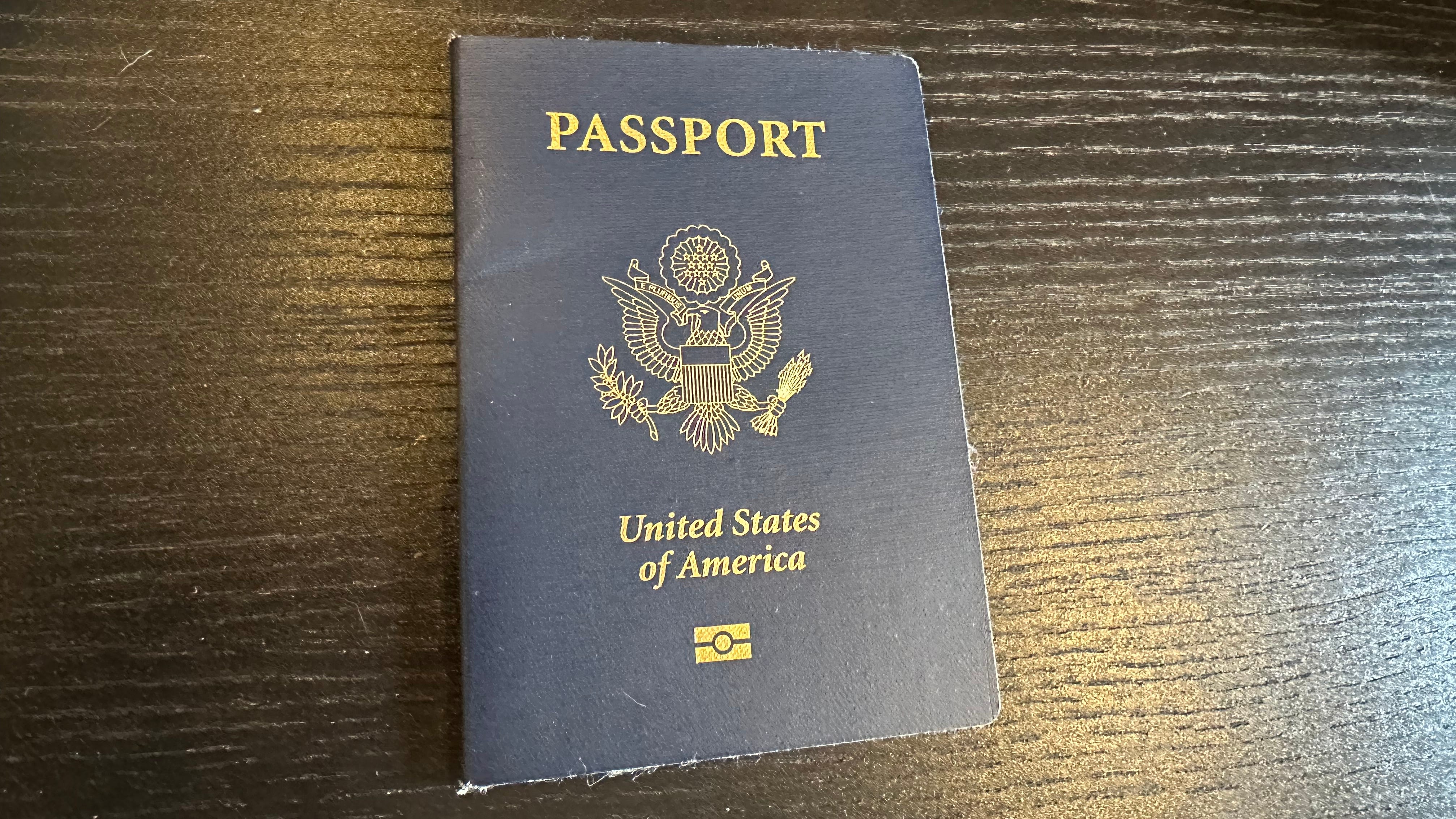

Americans are moving abroad due to rising US medical costs
Rising health care costs in the United States are driving Americans to seek affordable treatment abroad.
For some, rising gas prices are just something to complain about. For others, it means making tough choices about how much they can spend this month.
If your budget has already been narrowed down to the essentials, you may find yourself skipping necessary retirement healthcare costs to keep your bills under control. But there may be other ways to lower costs while still getting the care you need. Try these four things:
1. Check out government aid programs
There are government programs that can help with medical costs. If you’re 65 or older, you may already have Medicare, but you may also be eligible for Medicaid. This can further reduce your out-of-pocket costs without sacrificing your care.
Medicare’s Supplemental Help Program is another option that can help you manage your prescription drug costs. Helps pay for prescription drug deductibles and co-pays. If you have Medicaid or receive Supplemental Security Income (SSI) payments, you automatically qualify.
2. Use prescription drug coupons when possible
Websites like GoodRx can help you find coupons that lower your prescription drug copays. These sites are free to use, so it’s worth checking them out before paying the full price of your prescription. This strategy is especially effective when switching to generic drugs. This is because generic drugs are often cheaper than name brand drugs.
3. Consider telemedicine options
Telemedicine services can be much cheaper than an in-person doctor’s visit and can also save you time and travel costs. However, it cannot treat all medical conditions. If you have a problem that requires an in-person examination, you may be better off seeing a traditional doctor.
4. Talk to your hospital about financial assistance.
Hospitals often have financial assistance programs that can help if you are unable to pay your medical bills in full. As part of the application process, you will need to provide details about your household finances.
If financial aid is not an option, consider a payment plan. These help spread the cost over time so you don’t have to pay too many bills at once. These strategies won’t eliminate out-of-pocket medical costs, but they can help make them a little easier.
If you are having trouble paying your bills, contact your healthcare provider right away to discuss your options. It is usually better to act quickly than to wait until the deadline has passed.
The Motley Fool has a disclosure policy.
The Motley Fool is a USA TODAY content partner providing financial news, analysis and commentary designed to help people take control of their financial lives. Its content is produced independently of USA TODAY.


