
CDC Vaccine Committee Changes Guidelines for Neonatal Hepatitis B Vaccination
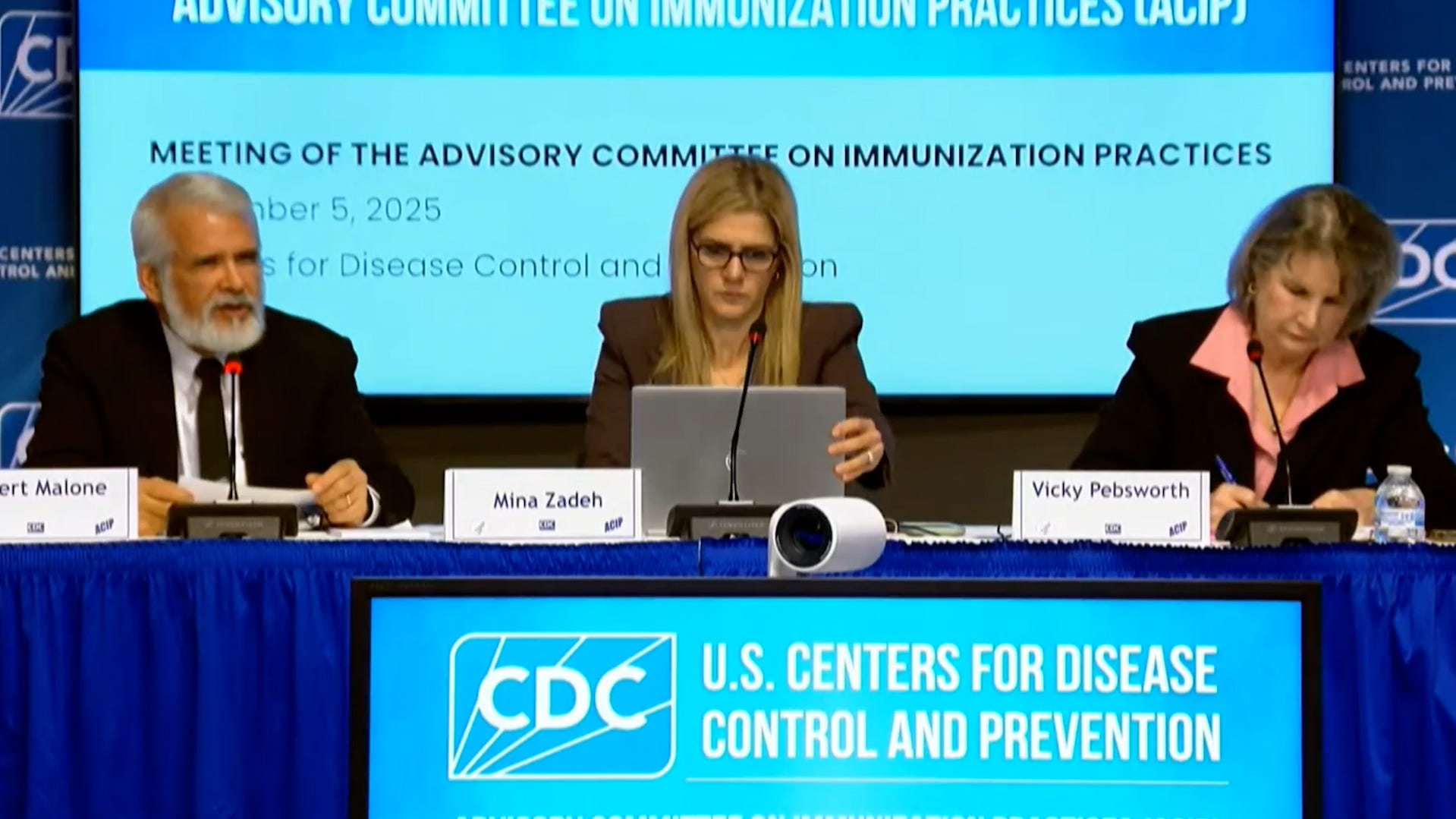
The Vaccine Advisory Committee has changed the guidelines for hepatitis B vaccination of newborns and voted to delay vaccination by two months.
The Centers for Disease Control and Prevention has abolished its long-standing recommendation that all newborns receive the hepatitis B vaccine, leaving parents, in consultation with their health care providers, to decide whether infants born to hepatitis B-negative mothers should receive the vaccine, including the birth dose.
The agency’s move follows a recommendation from Secretary of Health Robert F. Kennedy Jr.’s Vaccine Advisory Committee that involves major changes in health policy. Earlier this month, the panel recommended that the birth dose be given only to newborns whose mothers tested positive for hepatitis B or whose status is unknown, and the CDC approved this as a policy on Dec. 16.
If parents choose not to vaccinate their newborn at birth but believe vaccination is warranted, government agencies currently recommend waiting at least two months before giving the child their first vaccination.
Since 1991, U.S. health officials have recommended universal vaccination of infants against hepatitis B, with the first of three doses given immediately after birth.
The agency’s recommendations impact U.S. health insurance coverage and play an important role in assisting physicians in selecting the appropriate vaccines for their patients.
Experts warn that the new recommendations, which the CDC described as individual-based decision-making, could expose more children to harmful viruses and could lead to more families refusing vaccinations without a solid federal policy in place. Kennedy has long been a vaccine skeptic and has made far-reaching changes to the country’s vaccination policy.
Dr. Emily Landon, an infectious disease expert at the University of Chicago Medicine, said the CDC advisory committee’s job is to help clinicians interpret the mountain of science and make good decisions about how to care for patients.

What are the risks if I delay getting the hepatitis B vaccine?
Health experts are warning of risks after the Vaccine Committee, led by Secretary of Health and Human Services Robert F. Kennedy Jr., decided to stop recommending the hepatitis B vaccine for newborns.
“This recommendation ignores science, and the fact that the acting CDC director will sign it further reinforces that CDC is no longer committed to science-based recommendations to improve health,” Landon said.
Hepatitis B can cause serious liver disease and is spread primarily through blood, semen, or certain other body fluids. It can also be spread through close contact with people who are unaware they are infected, such as caregivers or friends.
The number of hepatitis B infections in the United States has fallen by nearly 90%, from 9.6 per 100,000 people before widespread vaccination to about 1 per 100,000 in 2018.
The agency said it is considering the committee’s secondary recommendation that parents should talk to their health care provider about antibody testing to determine whether a booster dose of hepatitis B vaccine is needed.


