After months of a snow drought, up to two feet of snow is forecast to fall in the highest elevations of the Colorado Rockies as May begins.
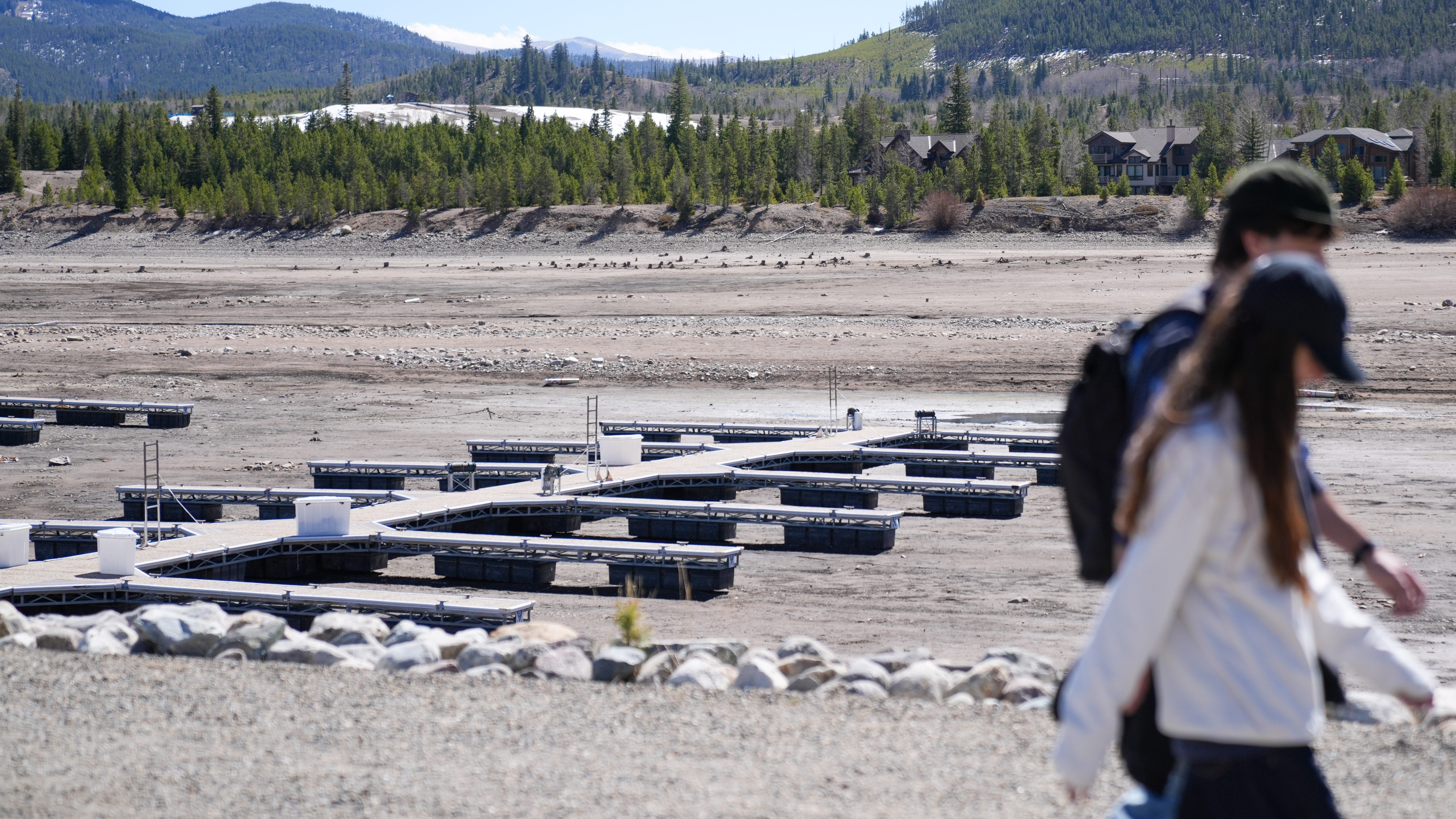

Water restrictions tighten across West as drought concerns grow
Communities across the West are facing a dangerously dry summer as record heat melts snow, threatens drinking water and increases the risk of wildfires.
Forecasts are predicting snow in parts of Colorado, Montana and Wyoming from late April to early May, but the severe snow shortage plaguing the Colorado Rockies continues.
Snowfall could reach up to 2 feet in the highest areas of Colorado’s Rocky Mountains over the next few days, according to forecasts from NOAA’s Weather Prediction Center. Lower amounts are predicted for mountains in Wyoming and Montana. “This is a classic setup for mountain snow…an area that could take great advantage of any significant precipitation,” WPC said in its forecast.
How bad could it have been? “Colorado’s 2025-2026 (season) snowpack was near or record-low for most of the winter in most parts of the state,” said Joel Gratz, a meteorologist at OpenSnow, a website specializing in Colorado snowfall. “This snow will help a little bit (every single flake or grain of snow helps), but it won’t break the drought,” he told USA TODAY in an email.
Brian Fuchs, a drought expert with the National Drought Mitigation Center, agreed: “Depending on where you are in Colorado, this is one of the worst snow seasons on record, and some places are actually seeing their lowest snowfall of the season.”
“Snow droughts and droughts in general are very serious,” AccuWeather meteorologist Tom Kines told USA TODAY via email. “Northwestern Colorado is experiencing one of the most severe and exceptional drought conditions. Parts of Colorado have not experienced consecutive months of above-average precipitation since 2024.”
Is it unusual for this snow to fall at the end of the season?
An additional 6 to 24 inches of snow could fall between April 28 and May 7, Glatz said. “Snow late in the season is not uncommon. Colorado’s mountains often see significant snowfall by at least mid-May.”
But Fuchs said, “At this time of year (warmer temperatures) it’s difficult for snow to continue to fall or accumulate, so we don’t expect much snow to be added to (Colorado’s) peak season totals.”
“It’s going to help a little bit, but the snow and precipitation over the next few weeks isn’t going to help much. It’s going to help some people in the short term, but it’s not going to end the long-term drought,” Caines said.
Are most ski resorts closed already?
“Yes, most ski areas are closed,” Gratz said. “Arapahoe Basin and Copper Mountain are still open and are scheduled to close on Sunday, May 3rd. Often Arapahoe Basin remains open until June, but that is not the case this season.”
Lack of snow means “decreasing stored water”
Glatz said snow is another form of water storage, and much of the western United States has a generally dry climate, so every drop and flake helps. “Water scarcity affects many aspects of life,” he says.
Fuchs explained, “Snowpack is ‘deposited’ moisture that is utilized later in the summer. As we are seeing now, much of the snow has already melted and there will not be a surge of water in rivers/streams/lakes/reservoirs in the summer.”
This means less water will be available for plants, animals, humans and agriculture later this summer, he said. Fuchs noted that irrigation water providers have already warned customers about reduced deliveries. “This also means that water storage will be reduced in the future, which could lead to further water restrictions.”
Is there any chance of precipitation this summer?
Gratz added a hopeful comment: “The atmosphere may be able to save us from the El Niño-induced drought, as the El Niño event could lead to wetter-than-normal conditions in some regions this spring, summer, and fall.”
Caines agreed, saying, “We’re seeing some light at the end of the tunnel. The weather pattern for late June into July could bring us a few thunderstorms, which could be very beneficial.”


