Home Blog Page 284

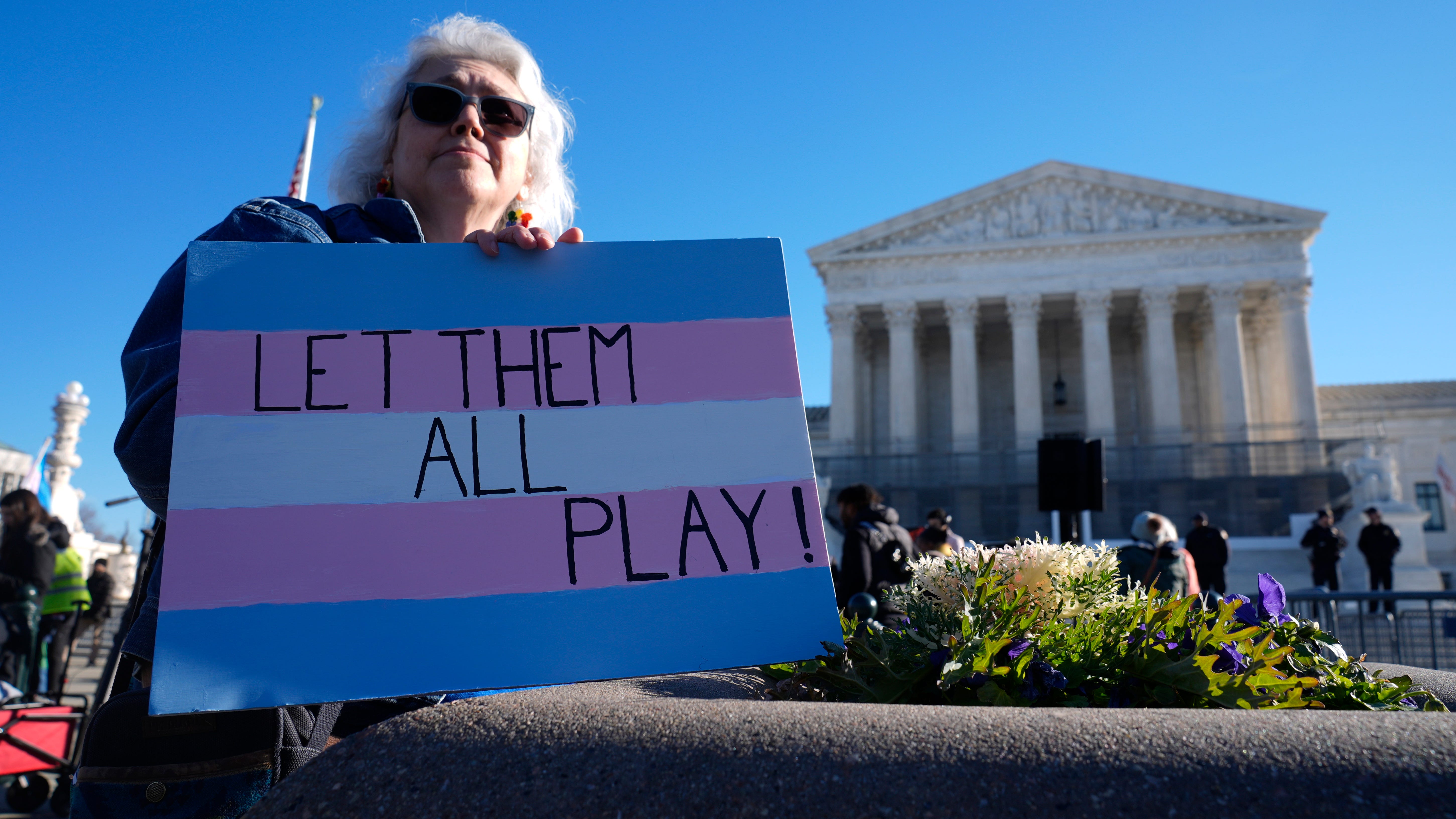
Supreme Court upholds California parents’ right to be informed about trans students

0


One parent said her middle school daughter was not informed that she was being treated as a man at school. One said her daughter’s teacher lied about what she was called at school.

play

WASHINGTON – The Supreme Court on March 2 upheld a federal district court ruling that parents have a right to be informed when their child’s name changes., Or the pronouns used at school.

The decision, which had been on hold, is now back in effect in California and marks the first time the Supreme Court has weighed in on a national lawsuit over how schools handle students’ gender transitions.

In 2024, California became the first state to ban school districts from requiring employees to notify parents of changes in a child’s gender identity.

Four California parents and four teachers represented by a Catholic legal group argued that the state requires schools to hide their children’s transgender status from parents, a violation of the constitutional rights of parents and teachers.

One parent said her middle school daughter was not informed that she was treated as a male at school for most of the year. Other parents said their daughters were lied to by teachers about what they were called at school.

In December, U.S. District Judge Roger Benitez in San Diego said parents have a constitutional right to be notified if their child expresses “gender nonconformity” at school, and barred educators from intentionally withholding gender transition information from parents. The judge also said that teachers cannot “transition children into society over the objections of their parents.”

“California policymakers clearly do not trust parents to do the right thing for their children when it comes to changing students’ gender identities,” Benitez wrote.

The San Francisco-based Ninth Circuit Court of Appeals suspended the order while litigation continues. The appeals court said it would be too broad and likely wrong to conclude that parents’ rights were violated based on the Fourteenth Amendment’s Due Process Clause, which courts have interpreted as guaranteeing parents’ fundamental rights. California “does not categorically prohibit disclosure of information about a student’s gender identity without the student’s consent,” the three-judge circuit panel wrote.

The Thomas More Society, the legal group representing the challengers, asked the Supreme Court for emergency assistance. They argued that the appeals court should have followed the logic of a 2025 high court decision that upheld parents’ right to remove children from classrooms when LGBTQ+-themed picture books were being read.

“California’s policy unequivocally impedes parents’ ability to direct their children’s religious education,” attorneys for California parents said in a filing regarding the state’s policy regarding accommodations for transgender students.

Lawyers for the state said it was the district judges who failed to follow the Supreme Court’s precedent when they issued the overbroad order, even though a 2025 ruling limited the court’s ability to suspend the rule entirely.

California Attorney General Rob Bonta said in a filing that the judge’s order does not allow for exceptions, even in extreme cases where students could be “subjected to physical or emotional abuse” if their parents tell them about their gender identity or expression.

“Efforts to balance the interests of parents and the needs of transgender students pose complex issues that policymakers across the country continue to consider,” Bonta said.

If that is California’s way of weighing the needs of both parties, the challengers responded, “California will ‘balance’ the interests of parents, just as McDonald’s balances the interests of cows.”

Act like a spy. Former CIA shares simple travel safety tips.

0


A former intelligence expert reveals practical, low-cost ways travelers can stay safe abroad by increasing situational awareness and planning ahead.

play

  • A former CIA official advises travelers to research their destinations using resources such as the U.S. State Department website.
  • Travelers should avoid posting travel details on social media until they return home.
  • To avoid becoming a target, dress to blend in, be aware of your surroundings, and store valuables in multiple locations.

Jason Hanson was almost kidnapped once.

“We spotted the kidnappers. We looked up. They weren’t blending in,” a former U.S. intelligence officer told USA TODAY. “My head was up and I was probably 25 yards away when I realized what was going on.”

Being aware of your surroundings is a basic principle for spies, but it’s also solid advice for travelers.

Hanson managed to outrun his would-be captors. Although most travelers will never face such an extreme scenario, you can learn a lot from former intelligence officers about how to stay safe abroad.

“Those are just very simple precautions, and it doesn’t mean someone has to do something crazy expensive or crazy James Bond-esque,” Hanson said.

Since the US and Israeli attacks on Iran began, the US State Department has issued warnings to Americans not only in the Middle East but also globally.

On February 28, the State Department announced, “In response to the commencement of U.S. combat operations in Iran, Americans around the world, especially in the Middle East, should follow the latest security alert guidance issued by their nearest U.S. embassy or consulate.”The State Department urges Americans worldwide to exercise increased vigilance.”

Here are some general safety tips for travelers.

decide when and where to travel

Safety starts before you leave your home.

Hanson suggests researching “everything” about a destination before deciding to visit.

Doug Patteson, a former CIA officer who now advises film and television projects and teaches college intelligence courses, explains the story:

“I will begin collecting State Department crime and security reports for the countries I plan to visit,” he told USA TODAY, noting that the information is publicly available on the State Department’s website. Also check news reports from other countries, including the country you are traveling to and reliable news outlets.

Pattison looks into things like, “Have there been any protests recently? What about the government? What is the relationship between the government and the people? Is crime rampant?” In addition to general security risks, we also look for terrorism risks, threats directed against foreigners versus local populations, and natural disaster risks.

What he finds will help you decide if it’s worth the trip.

“Everyone has to go through their own decision-making calculations and decide how much risk they are willing to take,” Patson said, adding that decisions also depend on factors such as who else is coming. “If I had small children, that would change my calculations. If it was just me and a few friends, it would change my decisions. So there’s no one answer. The answer is almost always, ‘It depends.'” What you want is an active thought process based on logic and decision-making, not one rooted in fear. ”

Preparing for the trip

Once a destination is decided, Hanson keeps it mostly to himself.

“When it comes to travel, I don’t give away any of my plans,” he says, adding, “Because of my background, I’m more paranoid than the average Joe.” Although he is no longer with the CIA, he founded a safety and security business called Spy Briefing and has written several books on the subject.

Rather than posting about her trips on social media in advance or in real time, Hanson waits until the trip is over. He shares his plans only with his immediate family and close friends who can check on his home. Hanson also gives two people he trusts copies of all documents he brings on the trip, including passports and health insurance information.

“There’s an old saying: ‘Two is one, one is none.’ When it comes to travel, you need redundancy,” he said.

Patteson also recommends enrolling in the State Department’s free Smart Traveler Registration Program. This program allows you to receive important up-to-date information when traveling abroad.

“Another role is to let countries know how many Americans are in a particular area, making it much easier to contact Americans in need if they need to be evacuated, as was the case in Libya during the Arab Spring,” he said.

Both he and Hanson advise finding contact information for your nearest U.S. embassy or consulate and how to contact local authorities, and keeping that information handy.

“Everyone knows to call 911, but you can’t call 911 everywhere,” Patson said. “Make sure you remember the emergency services code for the place you’re going. Make sure you have it available.”

He also suggests carrying a physical list of your allergies in case you are incapacitated for any reason and first responders need to know.

protect what’s yours, protect yourself

While traveling, Hanson puts documents in his money belt and hides them out of reach. He also hid multiple credit cards and at least $300 in cash in local currency and US dollars in various locations to prevent them all from being snatched at once.

Regarding other valuables, Patson advised: “Don’t wear a backpack on a crowded subway, because a skilled pickpocket will open it without your knowledge. Don’t leave your phone on an outdoor cafe table while having dinner or drinks with friends. Don’t leave your drink at the bar and expect to pick it up again and drink it safely.”

Clothes are also important.

“I want to fit in like the other tourists, but I don’t want to look like the poorest tourist. I don’t want to look like the tourist with the big diamond ring and the flashy sunglasses and the North Face jacket that costs hundreds of dollars,” Hanson said. “I want to be the boringest, least exciting, least wealthy-looking tourist. I also want to be the most difficult target, because I’m going to be looking around for people who are going to judge me.”

While intelligence officers are trained to notice details that many travelers overlook, such as license plate numbers, Patson said, “At its core, it’s still situational awareness, which means being aware of what’s going on around you and being able to take decision-making steps before others.”

Hanson believes that awareness helped him evade potential kidnappers.

“Keep your head up and act like you did 25 years ago in 2000 when you weren’t staring at your cell phone,” he said. “If I bury my head in a device, I’m going to walk right into them and get into a very bad fight that I don’t want to be a part of. You can stop that by lifting your head and looking around.”

Both he and Patson study maps and research their routes before heading out. Patteson also pointed out another problem with being glued to your phone. “Frankly, when you’re glued to your phone, you miss out on the joy of being around you and seeing the world around you even more.”

“Don’t be mean.”

Patteson has a saying she has taught her children and others over the years:

“Don’t do stupid things with stupid people in stupid places at stupid times of the day or night,” he said. “This is really a decision rubric, because an area can be completely safe at 2 p.m. and not completely safe at 2 p.m. Understanding that difference can be the difference between safe and unsafe.”

Hanson added several other prohibitions.

“Don’t be offensive. As Americans, we are very uncomfortable overseas. We think the world revolves around us,” he said. “Don’t draw so much attention to yourself.”

He also warned against accidentally sharing too much information.

“One of the things we do in the spy business is what we call ‘get by giving,'” Hanson said. “I might come up to you and say… ‘Oh, you’re American? I’m American. You’re staying at the Marriott with me, right?’ And I’d say, ‘No, Jason, I’m actually at the Best Western there.’ They are trying to get you to correct them using their sentences and wording. ”

“It’s happened to me many times. Of course I don’t fall for it, but people from overseas give out hotel information even though they think they are very friendly,” he said. “Please don’t give me any of that information.”

Similarly, he said: “If someone says, ‘Hey, come with me, come to my store, and I’ll give you a better price,’ obviously you shouldn’t go into the store to get a better price…It might sound too good to be true, but it is.”

“A good friend and mentor of mine, former CIA, says, ‘Do you know what a spy is? Spying is common sense on steroids,'” he added. “Use common sense about steroids when traveling.”

Emergency response

Patteson noted that the biggest risks facing most travelers in many places are petty crime, vehicle accidents and natural disasters.

However, he said gathering information is important in the event of an emergency.

play

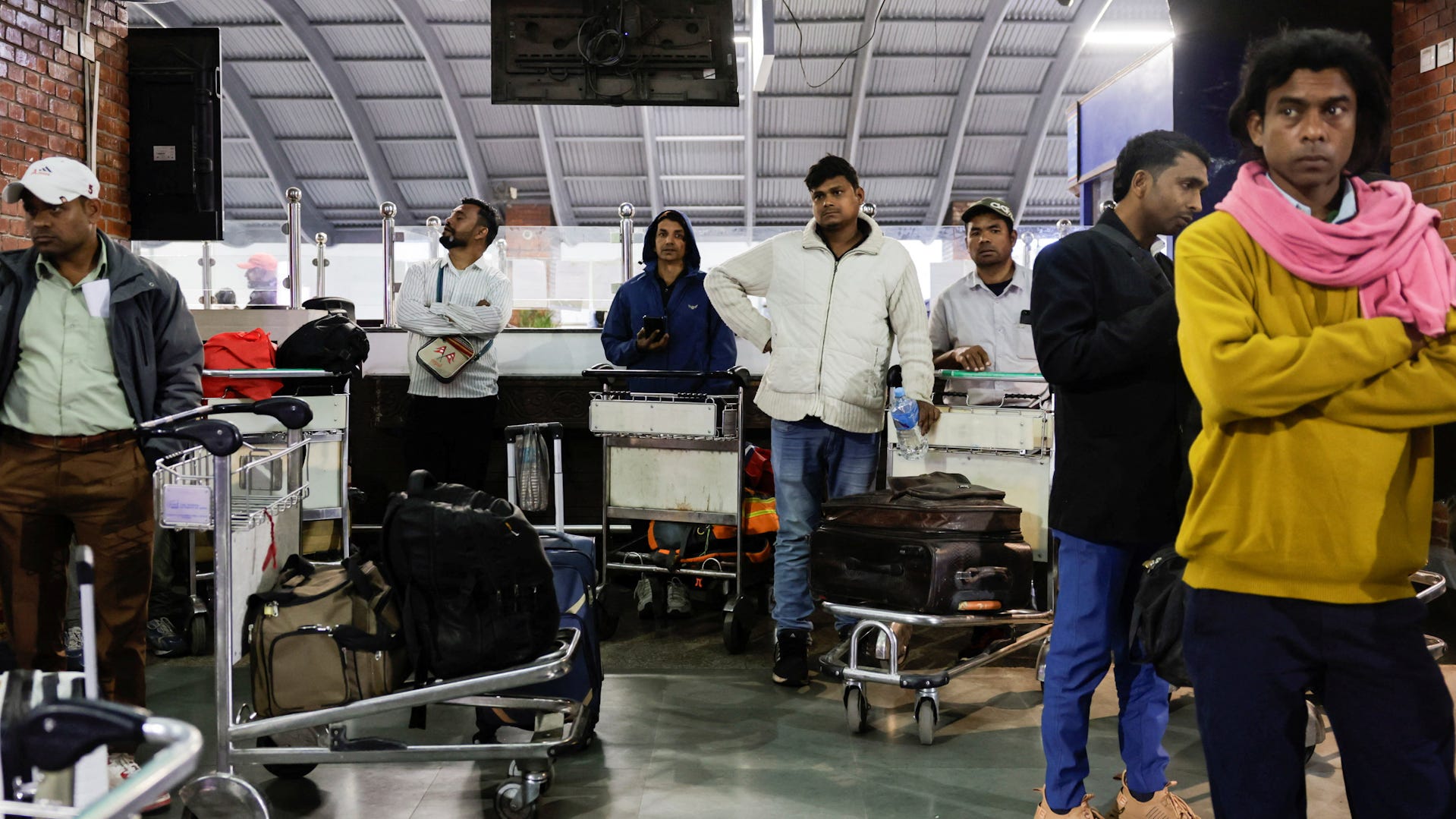
Iran attack causes flight cancellations and travelers stranded around the world

Iranian attacks have disrupted key air routes in the Middle East, leaving travelers in India and Europe stranded as global airlines cancel flights.

“Pay attention to what’s happening on the ground. Go to the State Department website. If you’re in a place where there’s a consulate, go to the consulate website because that’s where you can get the most up-to-date information about threats (to U.S. citizens),” he said.

He also recommended checking local media and trusted social media.

“We need to filter properly, right?” He acknowledged the growing presence of AI and other untrustworthy content online. “But information that is evolving very quickly is often released in (X) almost before it is anywhere else, so you quickly know what search terms to use to find the latest updates on social media.”

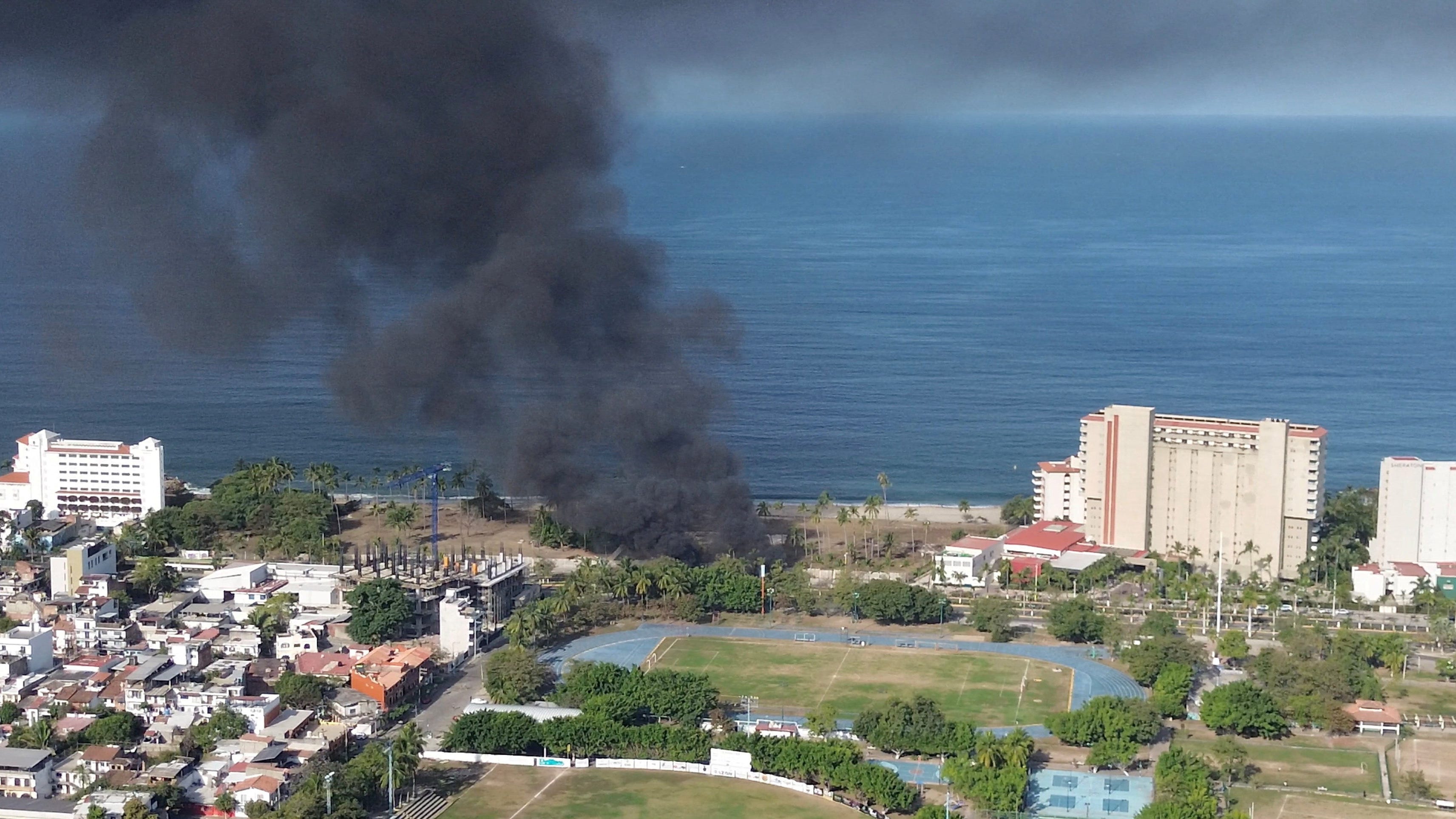
If you’re told to shelter in place, as Americans were across Mexico after the killing of the cartel leader known as “El Mencho,” you should do so, Hanson said.

“The key is not to panic and to stay in place until you know it’s safe to go outside,” he says. “The most dangerous time is when you are traveling or on transport. It is not worth putting yourself at risk to go to the airport when you are already in a safe place, have shelter and food.”

Spy or not, it all comes back to being aware of your surroundings and assessing risk.

Toyota, Honda, and Acura ranked among the best car lease deals in March

0


You don’t have to spend a fortune to drive a new car in 2026.

play

  • Leasing a new car is an affordable way to drive a new car without committing to a long-term contract.
  • Some of the best car lease deals this March include Toyota, Honda, Hyundai, and Acura.

Leasing a new car is a great way to experience new car ownership without suffering severe depreciation down the road.

Drivers who choose to lease rather than buy a car often get the best performance from their car before it has many miles on the clock. Leasing is also a great way to try out different vehicle classes and brands, testing quality, reliability, and driving dynamics before committing to a major deal.

With these four car lease deals, you can buy a new car with great value this March with affordable monthly payments.

Lease a 2026 Toyota Corolla for $189 per month.

According to U.S. News & World Report, drivers can lease a 2026 Toyota Corolla compact car for $189 per month for 39 months, but they must pay $3,999 at signing. In the case of the new Corolla, the total cost will be $11,370 over 3 years and 3 months.

Toyota’s 2026 Corolla is powered by a 2.0-liter four-cylinder engine that produces 169 horsepower. You get 32 ​​miles per gallon in the city and 41 miles per gallon on the highway.

Corolla is best known for its affordability, reliability, and practicality. The Corolla is a great choice for a daily driver with a low monthly lease payment and a low chance of major mechanical problems during the lease term.

The 2026 Honda Civic Hybrid is fuel efficient and fun to drive.

The Honda Civic Hybrid can be leased for $259 per month for 36 months, with $3,899 due at signing. This equates to $13,223 over three years for the Civic Hybrid.

The 2026 Honda Civic Hybrid uses a 2.0-liter four-cylinder engine and two electric motors to produce 200 horsepower. It gets 50 miles per gallon in the city and 47 miles per gallon on the highway.

Honda’s Civic Hybrid is a “nearly perfect blend of practicality, performance and fuel economy,” Edmunds said. The new hybrid version is a significant upgrade to a nameplate that has already earned many accolades in this segment.

Lease a 2025 Hyundai Ioniq 6 for $239/mo.

Hyundai’s small electric sedan can be leased for 24 months for $239 per month, with $3,999 due at signing. So if you use the Ioniq 6 EV for two years, it will cost you just $9,735.

The 2025 Hyundai Ioniq 6 produces 149 horsepower and has a standard range of 240 miles.

Hyundai’s small electric vehicle is one of the most practical and affordable electric vehicles for drivers who want to get used to home and public charging. Road & Track praises the Ioniq 6’s styling, rear seat legroom, and forward visibility.

2026 Acura Integra is an affordable luxury option

According to U.S. News & World Report, Acura’s affordable luxury sedan, the Integra, will be leased for 36 months at a low price of $369 per month, with $3,799 due at signing. That’s $17,083 over three years for an Acura Integra.

The 2026 Acura Integra is powered by a 1.5-liter turbocharged four-cylinder that produces 200 horsepower. You get 29 miles per gallon in the city and 37 miles per gallon on the highway.

Acura luxury cars are known for their excellent handling and enjoyable driving dynamics. It’s a good choice for drivers who want the perks of a luxury car without the high monthly payments.

If you’re looking for a lease deal that doesn’t have high monthly payments in 2026, there are plenty of hot options in each vehicle segment.

Elijah Blue Allman Arrested – Cher Son Charged with Assault and Trespassing

0

play

Elijah Blue Allman, the son of pop icon Cher, was arrested in New Hampshire over the weekend and is in legal trouble, according to reports.

Allman, 49, was arrested on Friday, February 27, following an incident at St. Paul’s School, a college preparatory boarding school in the New England capital of Concord, local police confirmed to People magazine and ABC affiliate WMUR.

According to WMUR, authorities were alerted after Allman was reported as an “undesirable guest” on school grounds. The Dead Sea frontman reportedly had no ties to St. Paul’s and had been seen at the diner, “causing a disturbance and acting in a belligerent manner”.

After his arrest, Allman was charged with two counts of simple assault, criminal trespass, criminal threats and disorderly conduct, People and WMUR reported. Mr. Allman was subsequently released on personal recognizance bail, meaning that Mr. Allman did not have to post bail as long as he attended future court hearings.

Representatives for Allman were not available for comment at the time of publication. USA TODAY has reached out to representatives from the Concord Police Department and Cher for additional comment.

Elijah Blue Allman arrested for drug overdose, arrested in conservatorship election

Allman’s arrest comes less than a year after the musician, the only child of Cher and late Allman Brothers Band singer Gregg Allman, was hospitalized in California with an apparent drug overdose.

Allman, who has a decades-long history of substance abuse, was admitted to a medical facility after San Bernardino Sheriff’s Department officers responded to a residence in Landers, Calif., about a man “acting strangely,” the department said in a statement to USA TODAY at the time.

Allman was being evaluated by medical personnel when authorities arrived. Officers later found drugs inside the home, police said.

In December 2023, Cher filed for conservatorship, claiming Allman suffers from “severe mental health and substance abuse issues.” According to court documents filed in Los Angeles County Superior Court, the Grammy-winning singer claimed that her son was unable to manage his financial assets due to alleged health issues.

According to Rolling Stone, Allman opposed the conservatorship in subsequent court filings, and in September 2024, Scheer declined to run for conservatorship.

The outlet also noted that Cher’s lawyers asked Los Angeles County Superior Court Judge Jessica A. Uzcategui to dismiss the lawsuit without prejudice, meaning she could file another petition in the future.

Cher opened up about her relationship with Allman in an October 2023 interview with People magazine, a year after Allman’s estranged wife Mariangela King claimed Allman orchestrated a kidnapping plot that included their son.

“I don’t suffer from the same problems that millions of people in the United States don’t suffer from,” Cher told the media, without going into details about the abduction allegations. She said the family issues were related to Allman’s longstanding addiction problems.

“I’m a mother. It’s my job to help children in some way,” she added. “You would do anything for your child.”

contribution: Anthony Robredo and Kimi Robinson, america today

Average tax refunds are increasing, but falling short of White House hype

0

play

  • The IRS processed more than 41.3 million returns in the first four weeks ending February 20, compared to the same period a year ago. Compared to the previous year, it decreased by 2.4%.
  • As of February 20 this year, taxpayers have received more than $109.3 billion in tax refunds, an increase of 6.9% from a year ago.

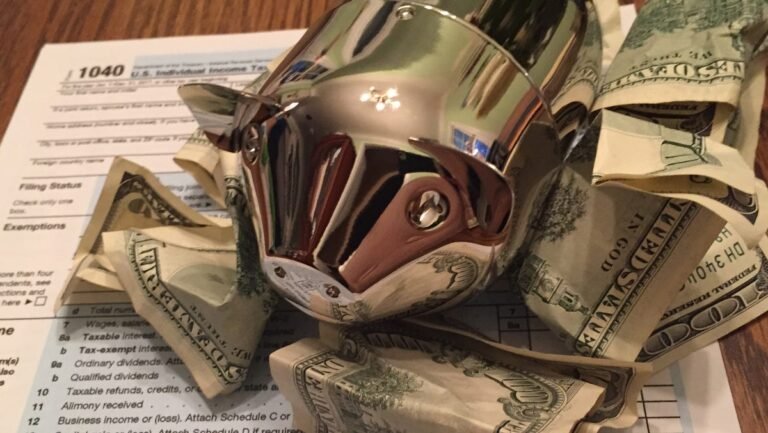
The average tax refund so far in the 2026 tax season is unlikely to be $1,000 higher than it was a year ago, as the White House has indicated. However, the price has increased by $351.

In data released Friday, Feb. 27, the Internal Revenue Service showed the average refund for early filers through Feb. 20 was $3,804.

This is an increase of 10.2% compared to the average of $3,453 for the same period a year ago.

The latest statistics compare the results of this year’s filing season, which ended February 20, 2025, with last year’s results, which ended February 21, 2025. The IRS began accepting and processing federal income tax returns on January 26th. The result is a glimpse into the first four weeks of the long tax season. The submission deadline is April 15th.

The IRS has issued more than 28.7 million tax refunds through February 20, according to the latest data released on Friday, February 27.

This is a 3% decrease from the same period a year ago, when more than 29.6 million federal income tax refunds were issued.

The average return is certainly larger than what was seen during the same period in 2025. However, it still falls short of some expectations.

According to a post on the White House’s site, the One Big Beautiful Bill Act is “the biggest tax refund season in history, and its innovative policies are expected to increase the average tax refund by more than $1,000 this year.”

The average federal income tax refund last year was $3,167 at the end of 2025, an increase of 0.9% from 2024, according to the IRS.

Will the average refund increase by nearly 32% to $4,167 by the end of 2026? Let’s see what happens. The IRS issues weekly tax season updates.

As of February 20 this year, taxpayers have received more than $109.3 billion in tax refunds, an increase of 6.9% from a year ago.

By law, the Internal Revenue Service cannot issue federal income tax refunds before February 15 on returns that claim the Earned Income Tax Credit or the Supplemental Child Tax Credit.

This year, the IRS expects that most refunds for early filers who claim the Earned Income Tax Credit and the Supplemental Child Tax Credit will be available in bank accounts or debit cards by March 2, if the taxpayer chooses direct deposit and there are no other issues with their return.

Some experts remain concerned that some taxpayers could be delayed in receiving their tax refunds this year, especially if they claim new tax breaks on things like tip income, overtime pay, new-car loan interest on cars that are finally assembled in the U.S., and a new enhanced credit for seniors.

National Taxpayer Advocate Erin Collins noted that this tax season, the IRS faces all the challenges of implementing a 27% reduction in staffing, a change in agency leadership, and complex tax code changes that have been retroactive to 2025 since the One Big Beautiful Bill was signed on July 4th.

The IRS processed more than 41.3 million returns in the first four weeks ending February 20, compared to the same period a year ago. Compared to the previous year, it decreased by 2.4%.

The IRS had received more than 41.8 million tax returns through February 20, down 1.9% from a year earlier.

Certain statistics seem to indicate that taxpayers have a lot of questions this tax season. Visits to IRS.gov, where many questions can be answered, increased by 46.3% in the first four weeks. The IRS website has received more than 244.5 million visits so far this year, according to the latest report.

Contact personal finance columnist Susan Tompol: stompor@freepress.com. follow himr X @tompor.

Donald Trump’s approval rating. Will there be any impact from the attack on Iran?

0

The United States has carried out military strikes against Iran since February 28, a move that has already proven to be controversial for President Donald Trump.

President Trump’s approval rating shows that the Republican Party faces difficulties heading into the upcoming midterm elections. Several polls over the past few months suggest that many voters think President Trump should focus on the economy and the cost of living, which are his top priorities.

President Trump and his administration officials have argued that Iran poses an imminent threat. They have repeatedly said that Iran is trying to develop nuclear weapons and ballistic missiles capable of attacking the United States. But national security analysts and experts on Iran and its ruling regime told USA TODAY that these claims are based on assumptions that are either false or greatly exaggerated.

The move has already sparked a backlash from some prominent MAGA figures as well as Democratic lawmakers who say Trump should have been approved by Congress.

What is President Trump’s approval rating for predicting a weeks-long operation in Iran? Here’s what you need to know.

What is Donald Trump’s approval rating?

President Trump’s approval rating has been a net negative since the spring of his first year in office, according to an average calculated by the New York Times and RealClearPolitics aggregators. It was relatively stable from April to November, then suddenly fell, rebounded slightly in December, and fell again towards the beginning of the year.

As of March 2, 43.3% approve of President Trump’s performance, while 54.5% disapprove, according to a graph from RealClearPolitics. The lowest approval rating for term was 42% on February 17th. The net approval rating was also the worst, at -13.5 points.

As of March 2, 41% of Americans approve of President Trump’s job performance, according to a New York Times tally. This is one step higher than the paper’s lowest approval rating for President Trump (40%), which was reached for the first time on February 12th. The disapproval rate is also 56%. His disapproval rating peaked at 57% on March 1st.

Reuters/Ipsos: One in four people support attacking Iran

Only one in four Americans supports the attack on Iran that killed leader Ali Khamenei, according to a Reuters/Ipsos poll released less than 48 hours after the United States and Israel launched a deadly joint military strike.

In the poll, about 27% of respondents said they supported a strike, but a majority said they were either unsure about it (29%) or did not support it (43%).

The two-day poll, which ended March 1, found that about half of respondents (56%) believe President Trump is too willing to use military force to advance U.S. interests.

A majority of Democrats (87%) hold this view, as do 23% of Republicans and 60% of those with no party affiliation.

The poll surveyed 1,282 adults nationwide and has a margin of error of plus or minus 3 percentage points.

American reaction leading up to the Iran attack

Surveys conducted in the weeks leading up to the early-morning attack on Saturday, February 28, showed that attitudes toward a potential conflict with Iran appeared to be swaying based on hypothesized motives amid a massive build-up of the U.S. military presence in the region.

In a CBS News/YouGov poll conducted the day before the airstrike, 51% of respondents said they supported U.S. military action against Iran to stop Iran from building a nuclear weapon.

However, when the CBS poll asked about their preference for how the United States should approach Iran’s current leadership, a majority of respondents said they would prefer diplomacy or sanctions over military action, at 38% and 22%, respectively. Only 18% said they wanted to remove U.S. leadership by force, and another 22% said they did not want any involvement.

In a poll conducted by the University of Maryland in early February, 49% of respondents said they opposed the US launching an attack on Iran, and another 30% said they were unsure whether they supported or opposed it. Support was highest among Republicans at 40%, while 21% of independents and just 6% of Democrats felt the same way.

An AP-NORC Center poll conducted the weekend before the airstrike found that 48% were “very” or “extremely” concerned about Iran’s nuclear program as a direct threat to the United States.

But the survey also showed low confidence in President Trump’s ability to manage military forces and relations with America’s adversaries. A majority (56%) said they had “a little” or “not at all” confidence in the president regarding the use of military force outside the United States, and a similar number (55%) indicated similarly low confidence levels in President Trump’s handling of adversaries.

Only 27% of Americans and 14% of independents say they trust the president to make the right choices when it comes to using military force overseas.

Kathryn Palmer is USA TODAY’s political reporter. She can be reached at the following address:kapalmer@usatoday.com And to X@Kathryn Purml. Sign up for her daily politics newsletter here.

Kinsey Crowley is a Trump Connect reporter for the USA TODAY Network. Please contact KCrowley@usatodayco.com. follow her X (Twitter), blue sky and TikTok.

Explaining the Jim Carrey conspiracy theory fueled by Alexis Stone

0


Drag artist Alexis Stone is fueling a conspiracy theory that Jim Carrey’s appearance at an awards show in Paris wasn’t actually the actor. So we asked his agent.

play

The Internet can be a special place.

Jim Carrey, the A-list comedic actor known for his wild and eccentric facial expressions in blockbuster films such as The Mask, The Grinch and Ace Ventura, is now the subject of an outlandish conspiracy theory that he has a clone.

Drag artist Alexis Stone added to the intrigue in an Instagram post on Sunday, March 1, claiming that she impersonated an actor at the 2026 Cesar Awards in Paris on February 26. The post included a Getty Images photo of Carey and an unidentified photo of her with a prosthetic face, dentures, wig, and makeup on a desk with a view of the Eiffel Tower.

However, the prosthetic image posted by Stone was flagged as digitally altered by an AI image detector used by USA TODAY, giving it a 3% authenticity rating. USA TODAY has reached out to Stone for comment.

And Carey’s rep confirmed in a statement to USA TODAY on Monday, March 2, that he was the one who attended the ceremony where he was awarded the Honorary Cesar Award.

Variety also confirmed to the César Awards that Carrey had accepted the honor, with Gregory Collier, general director of France’s top film award, telling the publication that Carrey’s attendance had been “planned since this summer.”

Carey gave an emotional speech in French, tracing his ancestry to France and paying tribute to his late father, Percy Joseph Carey. The speech received a standing ovation from onlookers.

“He spent months working on his French speech and asked me about the correct pronunciation of certain words,” Courier added. “He came with his partner, daughter, grandson and 12 of his closest friends and family. His longtime publicist also accompanied him. His old friend Michel Gondry, with whom he made a film and two series, was also there and happy to be reunited.”

Variations on the clone conspiracy theory have claimed many stars as victims over the years, including Avril Lavigne and rapper Gucci Mane. This theory has no basis and has been repeatedly debunked.

Who is Alexis Stone?

Stone is a makeup and drag artist known for using prosthetics and celebrity impersonations. Born Elliott Joseph Lentz, he often appears at fashion week events as an impersonator of characters such as Madonna, Lana Del Rey, Dolly Parton, Jack Nicholson, Adele, and even Morticia Addams, Cruella de Vil, and Mrs. Doubtfire. He has also collaborated with brands such as Balenciaga, Diesel, and Hugo Boss.

He calls his impersonations “immersive performance” and “subversive storytelling.”

Supreme Court weighs gun rights for marijuana users

0


Justices appear to be divided over how to apply historic laws regarding habitual drinkers to modern rules banning drug users from owning firearms.

play

WASHINGTON – The drinking habits of the Founding Fathers were a factor at the Supreme Court on March 2 as justices debated whether using marijuana or other drugs made them too dangerous or irresponsible to own a gun.

As the government points to historic laws regarding habitual drinkers as support for modern gun control, Justice Neil Gorsuch noted that in the 1700s, you had to drink heavily to be considered a habitual drinker.

John Adams drank tankards of hard cider for breakfast. James Madison reportedly drank one pint of whiskey a day. Thomas Jefferson considered three or four glasses of wine each night to be a modest amount, Gorsuch said.

“Are they all habitual drunkards who are properly disarmed for life under your theory?” a conservative judge asked a government prosecutor defending the prosecution of a man accused of possessing a gun despite regularly using marijuana.

Potentially large impact

The case has potentially major implications both for the tens of millions of Americans who use marijuana, a substance that is legal in some form in most states, and for lawmakers’ ability to regulate who can own firearms.

The Gun Control Act of 1968 makes it a felony for an “unlawful user or addict of a controlled substance” to possess a gun, but the Supreme Court recently said that gun restrictions are unconstitutional “unless consistent with the historical tradition of firearm regulation in this country.”

How the justices rule in Monday’s case could not only affirm or invalidate the 1968 law, but also examine a historical tradition that has led to a proliferation of gun control challenges and much turmoil in lower courts since it was enacted in the 2022 ruling.

Justice Ketanji Brown Jackson, one of the court’s liberal justices, expressed dissatisfaction with the test.

“I no longer understand how this works in any meaningful way,” she said.

Lower courts sided with drug users

At the center of the case is Ali Danial Hemani, a dual U.S.-Pakistani citizen who is suspected of having ties to Iran’s Revolutionary Guards paramilitary group and was being monitored by the FBI. The government has designated the security forces as a global terrorist group.

During a 2022 raid of his Texas home, Hemani told investigators he had a Glock 9mm handgun and said he used marijuana “almost every other day.”

The government tried to detain Hemani on more serious criminal charges, but he was charged only with being an illegal user of marijuana and possessing a firearm. Violating this law is punishable by up to 15 years in prison.

The New Orleans-based U.S. Court of Appeals for the Fifth Circuit said the gun ban did not apply to Hemani.

This is supported by history and tradition, but there are certain limitations. the current The appeals court said that “the right of an inebriated person to bear arms cannot be recognized” and that it “does not support disarming a sober person solely on the basis of past drug use.”

Justice Department points out historic law regarding drinkers

The Justice Department asked the Supreme Court to overturn the ruling, arguing that laws that existed at the time of the nation’s founding limited the rights of regular drinkers, even when sober.

Justice Amy Coney Barrett agreed that the government can keep guns out of the hands of dangerous people. But she questioned whether it should apply to all controlled substances.

“The THC levels are probably higher now, which could have bad mind-altering effects and lead to violence,” she said. “My concern is that I don’t think that kind of determination has been made here.”

Sarah Harris, a Justice Department attorney who argued the case, said there is at least “common sense that people who frequently use psychoactive substances are people who are at special risk of abuse, insofar as they do so habitually.”

Several justices asked Harris why the law should not be narrowed to apply only to drug addicts, instead of extending it to drug addicts.

“If a person uses heroin frequently, regardless of whether they are addicted to it or not, it is reasonable to conclude that they are extremely dangerous,” Harris said.

Marijuana may be reclassified

Erin Murphy, a lawyer representing Hemani, countered that the point of the historic law was to distinguish between drinkers and binge drinkers.

He said modern laws cannot be applied broadly enough to “capture the kinds of things that people all over the country use legally and regularly several days a week.”

Murphy pointed to the fact that President Donald Trump is moving to reclassify marijuana into a less dangerous drug category, adding, “And most states and the president have determined that it is not clearly addictive or dangerous and cannot be safely used by anyone.”

Gorsuch, a conservative judge who most strongly disagreed with the government’s position, said Hemani’s case was an odd one for the Justice Department to use to defend the law, given the possibility of reclassification.

“What do we make of the fact that marijuana is kind of illegal, and the fact that it’s kind of not illegal, and the federal government itself is at odds on this?” he asked.

Chief Justice John Roberts, one of the justices most sympathetic to the government’s position, raised practical concerns about courts having to decide on a case-by-case basis how dangerous and addictive certain drugs are.

“It seems to me that they are taking a fairly cavalier approach to the considerations that require expertise and the decisions that they leave to Congress and the executive branch,” he said.

A decision in United States v. Hemani is expected to be rendered by the summer.

The 2026 Detroit Autorama Ridler Award goes to a 1956 Chevrolet Bel Air

0


Rex Satterfield’s 1956 Chevrolet Bel Air, completed after the death of original builder Jeff Wolfenberger, won the 2026 Ridler Award at the Detroit Autorama.

play

Rex Satterfield was hoping his 1956 Chevrolet Bel Air convertible would win one of the BASF Great 8 finalist slots at this year’s Detroit Autorama. But winning the Ridler Award, one of the custom car industry’s highest honors, was something he never expected.

“I’m just overwhelmed right now,” the Russellville, Tenn., native said as he left the Huntington Place Ballroom in downtown Detroit and headed back to the exhibit hall on Sunday, March 1. “I wasn’t expecting this.”

Being recognized as one of the BASF Great 8 vehicles is a victory in itself, as the car is considered “the absolute pinnacle of custom automotive craftsmanship in the world,” according to the show. Cars undergo an intensive vetting process.

And the effort brought unexpected emotional complications as original builder Jeff Wolfenberger passed away in December 2024 and was battling cancer while continuing to develop the car, dubbed Elegant Lady.

Kevin Liffey of Kevin Liffey’s Hot Rod and Restorations in Knoxville stepped in and finished the job Wolfenberger started. He has previously finished in the Great Eight with two other cars. The goal of this car was simple: it was called a “dedicated show car.”

Located prominently at the front of the show floor, Elegant Lady boasted a creamy appearance known as Light Coffee. The car has a 1,000 horsepower Don Hardy race engine. The gauges, wheels, and gas tank are custom, and the dashboard is from a 1956 Pontiac.

Satterfield plans to tour the car and enjoy every moment of it. He has loved cars since he was a child.

The Ridler Award, named after the Detroit Autorama’s first publicist, Don Ridler, carries a cash prize of $10,000. The award was presented on the final day of this year’s Detroit Autorama, which ran from Friday, February 27th to Sunday, March 1st. This event was the 73rd.

Eric D. Lawrence is senior auto culture reporter for the Detroit Free Press. Send your cool auto tips and suggestions to elawrence@freepress.com. Become a subscriber. Submit a letter to the editor at freep.com/letters.

Harrison Ford holds back tears as he receives Lifetime Achievement Award

0

play

Harrison Ford feels it’s “a little strange to receive a Lifetime Achievement Award at the halfway point of your career.”

“It’s a little early,” Ford, 83, said as the crowd erupted in laughter. “I’m still a working actor.”

Ford, who received the SAG-AFTRA Lifetime Achievement Award from longtime collaborator Woody Harrelson at the 2026 Actor Awards, said he was “incredibly grateful for this.”

“This kind of consideration. But let me be clear, I’m also very humbled,” the actor said. “I’m in a room of actors. A lot of them are here because they’re nominated to win awards for great work. Whereas I’m here to accept awards for being alive.”

Thanks to Harrison Ford, George Lucas and Steven Spielberg

The actor, who started his career in the 1960s, went from acting to carpentry and back to acting, and said he struggled for about 15 years before finally “starring in a hugely successful movie.”

“None of this happened to me alone,” Ford said. “Thank you, George Lucas. Thank you, Steven Spielberg.”

He also thanked casting director Fred Ruth and manager Pat McQueenney for guiding him “through some difficult times.”

“They were both incredibly tenacious in supporting me when I really needed it,” Ford said. “I wouldn’t be here without them. Even though they’re not with us anymore, I feel it’s important to thank them.”

Harrison Ford says he found his “vocation, a life in storytelling” in acting

Ford recalled feeling lost and alone until his junior year in college when he “found a company of people who ran theater.”

“People I used to think of as misfits and nerds were actually my people,” Ford said. “I found a calling, a life, in storytelling. I’ve had amazing collaborators every step of the way. It’s an honor and a privilege to be able to bring the work we created together to an audience. And because of that privilege, I’ve gotten to know myself.”

Ford joked that showbiz “was a tough business to get into” but that for him, “thank God, it was a tough business to get out of because I love what I do.”

“The fact that I get to live many lives. We get to explore ideas that affirm and enhance our shared experiences,” Ford continued. “The stories we tell have the unique ability to create moments of emotional connection. They bring us together.”

Speaking at the venue, Ford said, “In this room, we are all at different stages of our lives and careers, but we all share something fundamental. We share the privilege of working in a world of ideas, empathy, and imagination. Sometimes it’s entertainment, and sometimes it’s making art. Sometimes we’re lucky to be able to do both at the same time. And if we’re really lucky, we can make a living doing it.”

The actor, who became visibly emotional at this point, said the job also comes with a “responsibility to support each other” and to “uplift others if I can.”

“It’s to keep the door open for the next kid,” he said. “Next is a lost boy looking for his place.”

Mr. Ford concluded his speech by saying that he is a “lucky man,” lucky to have found his friends, lucky to have a rewarding job, and “lucky to still be doing it.”

“I don’t take that for granted,” Ford said, as the crowd rose to its feet and gave him a standing ovation.

The honor is given to an actor who has cultivated “the highest ideals of the acting profession,” according to a news release. “Recipients of this award are actors with a proven track record of contributing to improving the image of the acting profession and being actively involved in humanitarian and public service initiatives.”

The organization said Ford, the 61st recipient of the award, “has captivated audiences around the world with genre-defining performances and characters woven into the fabric of our culture, while also meaningfully contributing to a variety of humanitarian and environmental causes.”

In a statement, SAG-AFTRA Chairman Sean Astin described Ford as “an actor whose iconic characters have shaped world culture.”

Saman Shafiq is a trending news reporter for USA TODAY. Contact her at sshafiq@usatodayco.com and follow X and Instagram @saman_shafiq7.

Oil prices soar and stock prices slump after US and Israeli attacks on Iran

0

play

U.S. stocks slumped as oil prices soared on the first trading day since the U.S. and Israel attacked Iran.

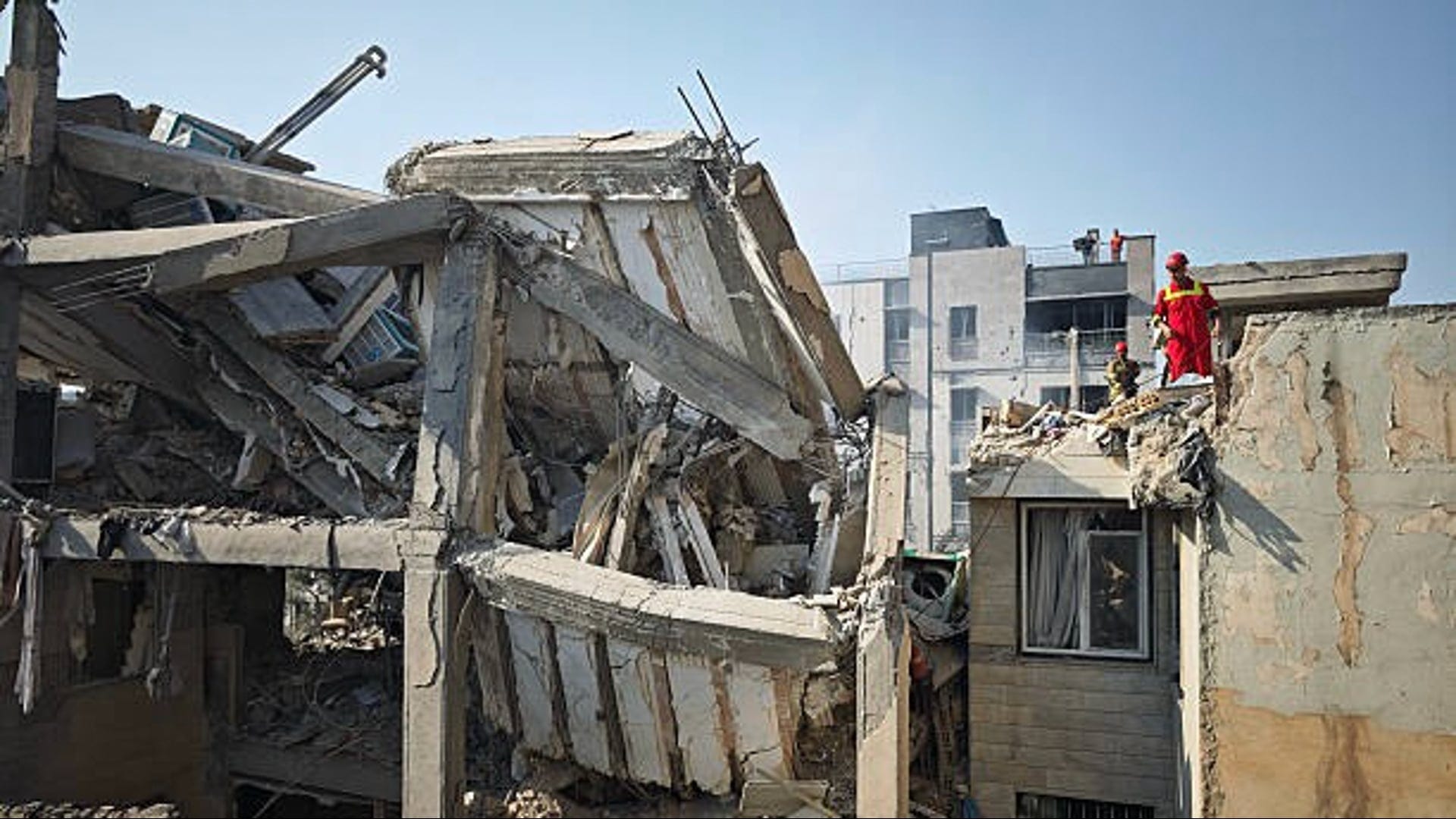
President Donald Trump said on February 28 that the United States and Israel had launched an attack on Iran, killing the country’s supreme leader Ayatollah Khamenei and dozens of senior government officials and hitting more than 1,000 targets in the country. Iran retaliated with attacks on U.S. military bases, Israel and other countries in the Middle East.

News of the strike almost immediately pushed oil prices higher as investors factored in disruptions to oil supplies through the Strait of Hormuz, through which about a fifth of the world’s crude oil shipments pass. Iran also supplies about 4% of the world’s oil.

At 10:36 a.m. ET, West Texas crude oil prices were last up 6.74%, or $4.52, to $71.54 per barrel.

A prolonged rise in oil prices could fuel inflation concerns, weighing on stock prices. The blue-chip Dow Jones Industrial Average fell 0.41%, or 200.4 points, to 48,777.52, and the S&P 500 composite index fell 0.31%, or 21.01 points, to 6,857.87. The tech-heavy Nasdaq fell 0.08% (17.676 points) to 22,650.536.

However, some market analysts said the initial reaction could fade as investors remain on the sidelines until a clearer picture of the situation in the Middle East emerges.

“Early polling suggests that voters are taking a ‘wait-and-see’ attitude toward U.S. aggression in the Middle East,” said Brian Gardner, chief Washington policy strategist at Stifel. “However, depending on the length and details of the battle, oil prices and other affordability indicators could begin to rise sustainably.”

“Although it is difficult to predict the duration and impact of disputes, focusing on what is known can help provide perspective for investors. Over the past 15 years, “Several geopolitical shocks have caused oil prices to rise, with limited impact on the market. Oil prices tend to rise in advance of these events. Markets may have already priced in much of the risk, and prices could fall from here.”

He also reminded investors that the global oil market is in oversupply and the Trump administration is “strongly incentivized to avoid sustained increases in oil prices leading up to the November election.”

Are there any hidden opportunities?

Some market experts say if you can stomach the volatility and perhaps short-term downside, you should always be on the lookout for opportunities to jump into stocks.

“Given that the market has struggled to rally on good news recently, this could set off a negative chain reaction that could push the market into correction territory,” said Jay Woods, chief market strategist at Freedom Capital Markets. “Experiencing a correction is never fun. There’s always a trigger for a decline, this time the Iran conflict. The silver lining is that these market disruptions often present opportunities if you know where to look.”

Woods said it may be too early to find gems, but Adrian Helfert, Westwood’s chief investment officer for multi-asset strategies, said diversification could help weather the volatility.

“Since 1990, in similar events, continuing to invest has been the right decision,” he said. “There have been five similar geopolitical shocks, and in four out of five, stock prices rose 12 months later. Historically, selling in an initial panic has been the costliest decision an investor can make.”

Medora Lee is USA TODAY’s money, markets and personal finance reporter. Please contact us at mjlee@usatoday.com. Subscribe to our free Daily Money newsletter for personal finance tips and business news every Monday through Friday.

How did America launch its attack on Iran? plane, target, cyber attack

0

play

The U.S. offensive against Iran began on Saturday, Feb. 28, in a “massive and overwhelming” offensive that involved thousands of U.S. military personnel, hundreds of aircraft and two aircraft carriers, hitting more than 1,000 targets across the country, the top Pentagon commander told reporters.

Gen. Dan Kaine, chairman of the Joint Chiefs of Staff, said in a March 2 press conference that the military received the “final go-to order” from President Donald Trump the previous day, Feb. 27, at 3:38 p.m.

Trump’s message to the military: “Operation Epic Fury has been authorized. There will be no cancellation. Good luck,” Kaine said, using the Pentagon’s name for the attack.

Kaine said the U.S. military’s first action was a cyberattack aimed at disrupting Iran’s communications and coordination capabilities.

He said the attack officially began at 9:45 a.m. local time in the Iranian capital, Tehran, and was triggered by a “trigger event” carried out by the Israeli military.

He said more than 100 U.S. military aircraft, including fighter jets, tanker planes used for aerial refueling, and electronic attack aircraft, took off in a “single synchronous wave.” A US Navy ship fires a Tomahawk missile, attacking southern Iran. In an operation similar to the Trump administration’s first attack on Iran’s nuclear facilities in June, B-2 bombers took off from the U.S. mainland and flew for 37 hours round trip, dropping more “penetrators” on underground facilities also in the south of Iran. Cain said the U.S. achieved “more than 1,000 goals in the first 24 hours.”

“This was the culmination of months and even years of careful planning,” he said.

Four Americans were killed in Iran’s counterattack, and U.S. ally Kuwaiti forces accidentally shot down three U.S. fighter jets. Iran launched a massive retaliatory missile and drone barrage against U.S. allies across the Middle East, targeting numerous U.S. military bases and tens of thousands of soldiers across the region. Some crashed into civilian airports and hotels. Kaine said Patriot and THAAD air defense systems intercepted “hundreds of ballistic missiles.”

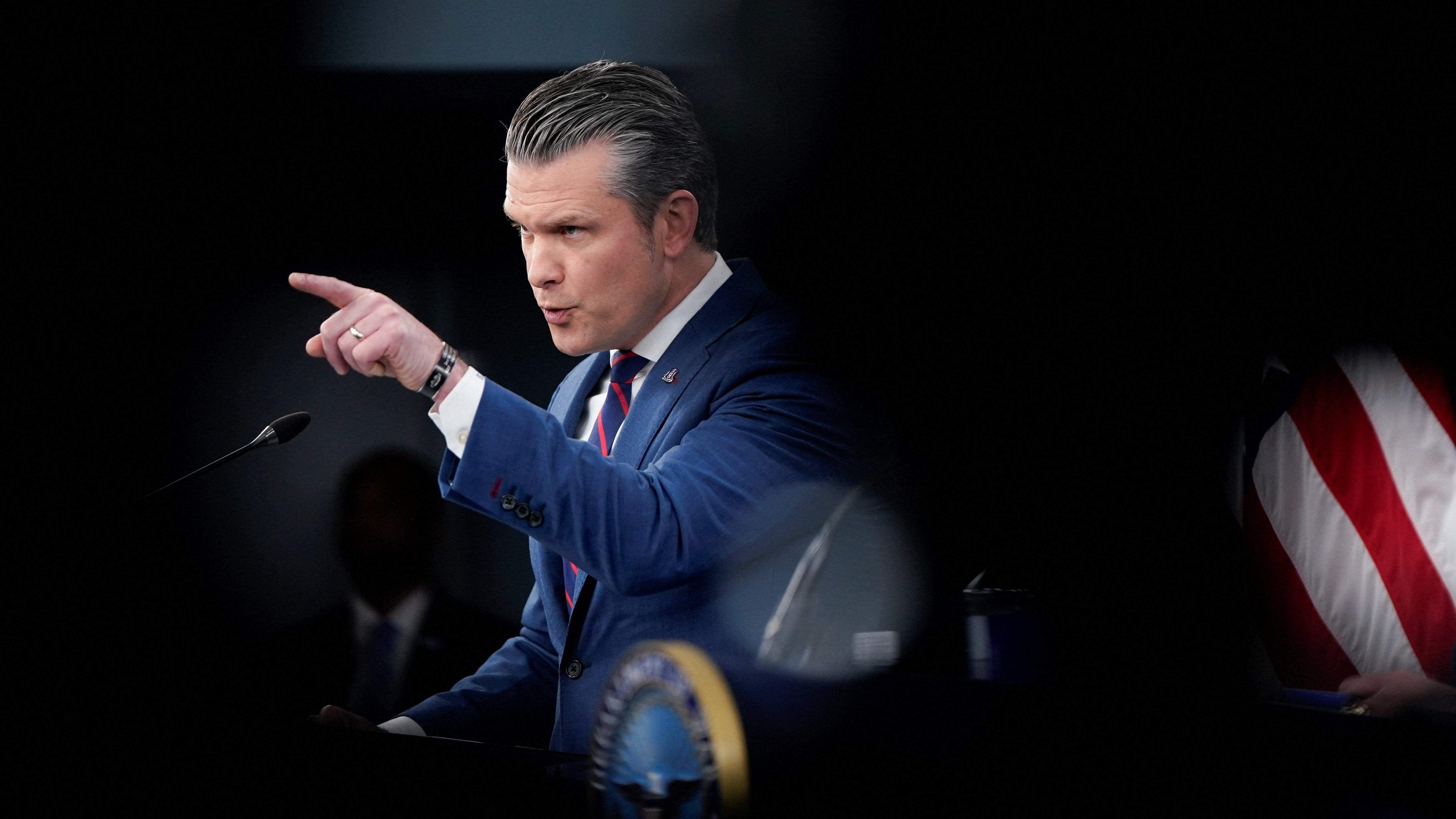
The military confirmed the deaths of four U.S. service members, Pentagon Secretary Pete Hegseth said, saying they were killed when an Iranian missile penetrated air defenses and hit a “tactical operations center.” U.S. Central Command said the fourth American who died was “seriously injured” and succumbed to his injuries on Monday, March 2.

Kuwaiti military accidentally shot down three U.S. F-15E fighter jets late Sunday, March 1. The six U.S. service members who ejected from the plane were “safely recovered” and are in “stable condition,” U.S. Central Command said in a statement.

Meanwhile, the death toll in Iran is rapidly increasing. Iranian state media reported that 555 people have been killed since the US and Israeli attacks began.

Asked how long the attacks would last, Mr. Hegseth and Mr. Kane did not respond. The aircraft carrier USS Gerald Ford, which President Donald Trump sent to the Caribbean in January to help capture Venezuelan President Nicolas Maduro, has arrived in the Middle East, joining the aircraft carrier USS Abraham Lincoln. Cain said more tactical aviation units are flowing into the region. He added that combat capabilities are “exactly where we want them to be.”

“An effort of this magnitude will include casualties,” said Hegseth, who heads the newly renamed Department of the Army.

Hegseth says Iran attack will not trigger ’20 years of nation-building’

0


Hegseth, a former infantry officer in Iraq and Afghanistan, said past attempts at nation-building were “stupid” and the mission to prevent Iran from acquiring nuclear weapons would be “definitive.”

play

WASHINGTON – Secretary of Defense Pete Hegseth said the goal of the war against Iran is to destroy its missile, naval and nuclear programs, not to embark on a 20-year “utopian” nation-building effort like the United States attempted in Iraq and Afghanistan.

“This is not Iraq. This is open-ended,” Hegseth told reporters at the Pentagon on March 2. “Our generation knows better.”

President Donald Trump was running a campaign against U.S. military missions in Afghanistan and Iraq that continued decades after the Sept. 11, 2001, terrorist attacks. During a presidential debate in February 2016, Trump said the Iraq war was a “big mistake” justified by weapons of mass destruction that didn’t exist. President Trump said the United States spent trillions of dollars in Iraq and Afghanistan and had nothing to show for it.

“Our ambition is not a utopia,” Hegseth said in contrast on March 2.

Mr. Hegseth, 45, a former infantry officer in the Army National Guard who served in Iraq and Afghanistan, said President Trump would be wiser than pursuing endless military action in the Middle East.

“He called the nation-building wars of the past 20 years stupid, and he’s right,” Hegseth said. “This is the opposite. This mission is clear, destructive and decisive. Destroy the missile threat. Destroy the navy. No nuclear weapons.”

Hegseth said there are no U.S. troops in Iran, but said that does not indicate future U.S. strategy.

“No, but we’re not going to decide what we will or won’t do,” Hegseth said. “That’s foolish. We’re going to go as far as we need to go.”

Hegseth said the military can accomplish President Trump’s objectives without a long-term commitment.

“You don’t have to get 200,000 people there and stay for 20 years. We’ve proven that you can accomplish goals that advance American interests without doing anything stupid.”

A major U.S.-Iranian attack on Iran that began on February 28 killed Supreme Leader Ali Khamenei and numerous other senior officials.

Starbucks’ chai latte recipe is changing. Here’s what we know:

0


In addition to new recipes, Starbucks will launch Iced Lavender Cream Chai on March 3rd.

play

After 25 years of following the same beloved recipe, Starbucks has decided to change up its Chai Latte.

Starbucks announced on March 2nd that a new chai latte recipe will be available in coffee shops starting Tuesday, March 3rd. Customers can now change the sweetness and spiciness of their chai lattes.

Starbucks first launched its Chai Tea Latte in January 1998 in Los Angeles. The drink is inspired by masala chai and is made with black tea, cinnamon, cloves and ginger, and topped with steamed milk and foam, according to a Starbucks news release. By 1999, chai lattes and iced chai lattes had become staples on the Starbucks menu.

Since its introduction more than 25 years ago, Starbucks customers have continued to enjoy new versions of the chai latte, including fall’s Iced Pumpkin Cream Chai and winter’s Gingerbread Chai. Starbucks Reserve Roastery also offers alcoholic versions of popular drinks, such as the Pumpkin Spice Chai Martini.

Interested in taking a sip? Here’s what you need to know about Starbucks’ new chai recipe.

What is Starbucks’ new chai recipe?

Starbucks’ new chai recipe features notes of cardamom, cinnamon and ginger, is made with 2 grams of honey and sweetened with classic syrup, according to a Starbucks news release.

This recipe allows customers to control their sweetness by leaving the drink unsweetened or adding the ideal number of classic syrup pumps. The news release notes that other syrup flavors, such as vanilla, can also be added to soften the chai’s spicy aroma.

When will Starbucks’ new chai recipe be available?

Starbucks will launch a new premium chai recipe on Tuesday, March 3rd.

Starbucks unveils new Iced Lavender Cream Chai and Mango Cream Chai

To celebrate spring and new recipes, Starbucks will also introduce a new Iced Lavender Cream Chai on March 2nd. The iced beverage is made with Starbucks chai, milk, and cold foam lavender cream, topped with ice. Drinks are available for a limited time only.

On April 7, Starbucks will debut an iced mango cream chai made with the coffee chain’s new mango syrup, according to a Starbucks news release.

Greta Cross is USA TODAY’s national trends reporter. Story ideas? Email her at gcross@usatoday.com.

Has President Trump been declared a war criminal by the UN Security Council? he wasn’t

0

play

  • The United States and Israel launched a military attack on Iran, killing its top leader and senior officials.
  • President Trump said the move was to prevent Iran from acquiring nuclear weapons.
  • Social media claims the United Nations was wrong to label Trump a war criminal.

After weeks of tensions, the United States and Israel carried out attacks on Iran over the weekend.

President Donald Trump said the airstrikes began on February 28 and killed the country’s supreme leader Ayatollah Khamenei and other senior officials. Iran launched a counterattack across the Middle East.

Four U.S. service members were killed in the attack, and President Trump said Americans should expect many more casualties. According to Reuters, civilians have also been targeted among the reported Iranian deaths.

“At this time, combat operations continue at full strength and will continue until all of our goals are achieved,” President Trump said in a video posted to social media on March 1. “We have very strong goals.”

As U.S. lawmakers debated the airstrikes, a social media post viewed more than 1.8 million times falsely claimed that Trump was a wanted war criminal. Here’s what you need to know:

No, the UN did not label Trump a war criminal

“Major update: Donald Trump has just been labeled a ‘wanted international war criminal’ by the United Nations Security Council,” the March 1 X post reads.

That’s not true.

The United Nations Security Council convened an emergency meeting on February 28 in response to the Iranian airstrike.

UN Secretary-General António Guterres condemned the attacks by both the US and Israel and the counterattack by Iran, and called on member states to abide by international law.

“We condemn today’s military escalation in the Middle East. The use of force against Iran by the United States and Israel, and subsequent Iranian retaliation across the region, undermines international peace and security,” he said in a statement on social media. “I call for an immediate cessation of hostilities and de-escalation of tensions. Failure to do so risks triggering a wider regional conflict, with serious implications for civilians and regional stability.”

According to UN News, Iranian Ambassador Amir Saeed Iravani said the military action was a war against the UN Charter.

U.S. Ambassador to the United Nations Mike Walz told the council that military action was legal and necessary.

“Iran cannot have nuclear weapons,” Walz said at the meeting. “That principle is not a matter of politics. It is a matter of global security. That is why the United States is taking lawful actions.”

Contributors: Kim Hjelmgaard, Zac Anderson, BrieAnna J. Frank, USA TODAY

Kinsey Crowley is a Trump Connect reporter for the USA TODAY Network. Please contact KCrowley@usatodayco.com. follow her X (Twitter), blue sky and TikTok.

How Mazda’s iconic Miata improves on the 2026 CX-5

0


They may not feel as exhilarating as the Miata, but these two siblings share one important characteristic.

play

  • Mazda’s popular small SUV is longer, heavier and offers more rear passenger compartment.
  • The redesigned CX-5 starts at $29,990 and is powered by a 187 horsepower engine.

Mazda’s most popular nameplate, the CX-5 small SUV, has received some significant upgrades for its latest model.

According to its annual sales report, Mazda sold 136,335 CX-5 models in 2025. Sales of the CX-5 increased by 1.7% from the previous year starting in 2024.

There’s a lot to love about Mazda’s small SUV, but it’s even better thanks to some design improvements that take inspiration from one of its sportier siblings.

Mazda CX-5 takes cues from Miata for improved driving dynamics

Mainstream small SUVs are generally more practical than sporty, but Mazda has emphasized smooth character lines, engaging performance, and a luxurious cabin in the design language of recent CX-5 models. While the CX-5 already has sportier trims for driving enthusiasts, the nameplate itself has been completely revised for 2026 thanks to Miata.

According to automotive news site Motor1, the latest CX-5 model features a “reimagined suspension setup inspired by the MX-5 Miata.” This gives the CX-5 a smoother, more comfortable ride, which is huge for a modern family SUV.

Mazda’s CX-5 may not have much in common with the brand’s popular roadster, but the Miata’s driver-centered design improves the overall ride quality of both models.

Why is the Mazda Miata so iconic?

The Mazda Miata continues to be an affordable roadster model that produces commendable performance specs. This is a vehicle for enthusiasts that can be enjoyed without spending a lot of money.

Between its small size, convertible roof, and peppy powertrain, the Miata has become the epitome of driving pleasure. There are also plenty of aftermarket parts available that allow drivers to customize everything from the performance to the appearance of their Roadster.

Pricing for the 2026 Mazda Miata starts at $30,430. It is equipped with a 2.0-liter 4-cylinder engine that produces 181 horsepower. The Miata gets 29 miles per gallon combined.

What else is new in the 2026 Mazda CX-5 small SUV?

Aside from the new and improved suspension, the 2026 Mazda CX-5 is now 4.5 inches longer. It’s also about 180 pounds heavier than the 2025 CX-5. Exterior updates include a new front end and clearer character lines.

The redesigned CX-5 features more rear passenger compartment than the previous generation. New infotainment technology and controls are also standard. Overall, the latest CX-5 has more space and better standard technology than previous models.

Is Mazda CX-5 worth buying?

Pricing for the 2026 Mazda CX-5 starts at $29,990 before taxes and surcharges. Five trims are available, starting with the 2.5 S base model.

It’s powered by a 2.5-liter four-cylinder engine that produces 187 horsepower and gets 26 miles per gallon combined.

Mr. Edmunds praised the new CX-5 as being more comfortable than the previous model, saying, “There’s more legroom and more cargo space.” The 2026 Mazda CX-5 offers solid value for the money, but it still loses out to best-selling models in its segment like the Toyota RAV4 and Honda CR-V.

If you’re looking for a refined, classy family SUV at an affordable price, the CX-5 is worth considering over its popular rivals. If you want a more traditional, practical family SUV, competitors tend to rank higher than Mazda’s CX-5 in that segment.

Black pastor arrested for refusing to show ID, Alabama Supreme Court rules

0

Keisha Stokes Huff is Associate Director of Legal Management at the Southern Poverty Law Center. Court summary in Jennings vs. Smith.

In May 2022, Alabama pastor Michael Jennings was out watering his neighbor’s garden as a courtesy when he was accosted by a police officer. They had a short conversation, and Jennings explained who he was and why he was there. Officers arrested him after he refused to produce identification.

Last month, the Alabama Supreme Court heard oral arguments in a case stemming from the arrest, which raises important questions about police officers’ authority to request documents from people and poses unique challenges to the delicate balance of power between state and federal courts interpreting state law.

The case is Jennings vs. Smith, The issue arrived at the Alabama high court as a certified question, an inquiry from a federal court questioning the interpretation of state law, and it arrived there in a highly unusual way. In 2024, the 11th U.S. Circuit Court of Appeals reversed a lower court’s ruling that the officer was immune from a wrongful arrest lawsuit because Jennings had no legal obligation to provide identification. The decision would normally be binding upon remand to a federal trial court, but after the Eleventh Circuit’s decision, the trial court asked the Alabama Supreme Court for review.

Arrested while watering flowers

The only basis on which police approached Jennings was a call from a woman who said she had seen a black man near her white family’s home while they were on vacation. Upon arrival, the first officer on scene observed Jennings holding a water hose and asked him what he was doing. “I’m going to water the flowers,” Jennings said. After further conversation, Mr. Jennings told the officers that he was “Pastor Jennings,” that he lived across the street, and that he was guarding the neighbors’ homes in their absence. When asked for identification, Jennings refused, saying he had done nothing wrong.

Additional officers arrived and eventually arrested Jennings for refusing to produce identification and charged him with obstructing government operations, in violation of an Alabama law that criminalizes interference “by intimidation, physical violence, interference, or other independent unlawful act.” The District Court dismissed the charges with prejudice in July 2022.

In September of that year, Jennings filed a lawsuit in federal court against the officers and the city of Childersburg, Alabama, alleging unlawful retaliatory arrest. In December 2023, a federal trial court found that the officers and the city were entitled to immunity, and Jennings appealed.

The 11th Circuit Court of Appeals reversed the trial court, citing the statute and noting that Jennings did not interfere with the officers through threats, physical violence or obstruction. Therefore, probable cause under the statute could exist only if Jennings committed an “independent tort.”

The officer and the city argued to the appellate court that Jennings independently committed misconduct by not disclosing his identity. They rely on another statute that allows police officers to stop a person and ask for three things if they “reasonably suspect” that the person has committed, is committing, or is about to commit a crime: “name, address, and description of actions.”

In analyzing whether Jennings independently committed a tort, the Eleventh Circuit began by noting that “under the Fourth Amendment, police are free to ask questions and citizens are free to ignore questions.” Therefore, any legal obligation to answer police questions must arise under state law.

Turning to the statute in question, the 11th Circuit said the plain text gives police the power to request only names, addresses, and descriptions of behavior, not driver’s licenses. The court found that because the officers never asked Mr. Jennings for his name or address, information that the law authorizes him to require, there was no probable cause to arrest him for violating the law. And the information Mr. Jennings shared with officers was closely tracked for disclosures that might be required under the law, including his name, where he lived and what he did.

After remand to the trial court, the defendants moved to certify the controlling question to the Alabama Supreme Court. The trial court granted the motion in May 2025, finding the question of whether police officers are permitted under state law to request physical identification in such circumstances.

Is textualism still sacrosanct in Alabama?

The Alabama Supreme Court typically applies a textualist approach to questions of statutory interpretation. During oral argument, plaintiffs’ attorneys emphasized that Mr. Jennings had provided all the information that officers were allowed to request under the plain language of the statute before he was asked for identification. Therefore, Jennings was not arrested because the officer did not have the necessary information, but because Jennings did not produce physical identification.

Jennings’ attorney emphasized to the judge that his client’s interpretation requires Alabamians to carry identification everywhere to avoid arrest.

Officials and the city offered interpretations that did not strictly follow the plain text of the statute. Rather, the defendants argued that because a driver’s license contains some of the information that a police officer can request under the statute, “a law enforcement officer can request information (name and address) in any form, including a driver’s license.” They also argued that although the law is silent on any form of physical identification, an interpretation that would allow officers to request a driver’s license would best serve the purpose of the law (identifying suspects).

During the defendants’ arguments, Chief Justice Sarah Stewart asked what kind of identification the officer might ask for under their proposed interpretation, saying, “Could he have asked for a passport? And if he didn’t, would he be arrested for obstruction of justice?” The defendant’s lawyer responded that the officer could have asked for his passport, but suggested that a reasonable officer would not have done so.

The incident has attracted the attention of national groups across the political spectrum. The American Civil Liberties Union, the Cato Institute, the Woods Foundation, and the Southern Poverty Law Center, where I work, filed court briefs in support of Jennings. The brief argues that interpreting the law to include an “implicit and unspecified physical identification requirement” would render it unconstitutionally vague in violation of due process and broader than its title in violation of the state constitution’s provision that “each law must be clearly expressed in its title.” State law enforcement agencies filed briefs in support of the defendants.

Questionable certified questions

At least one judge appeared exasperated by the unusual procedural nature of the case. Justice Brady Mendheim, the sole dissent in the court’s agreement with the certification question, said the court asked “certification questions several times a year,” but never in the context of a lower federal court seeking a “contrary ruling” from a federal appeals court decision.

In fact, two basic jurisprudential principles should obviate the need for the Alabama Supreme Court to intervene in this case. First, under case law principles, “district courts and courts of appeals are generally bound by prior appellate decisions in the same case,” the Eleventh Circuit wrote.

Separately, the Eleventh Circuit’s precedential rules provide that if the circuit “decides an issue in a published decision, that decision is binding on all future panels.” These prior circuit court decisions are binding on district courts within the circuit as well. Although the circuit court’s decision in this case has not been published and is not precedent under this rule, the court had already reached the same conclusion in a previously published case. Found in Edger vs. McCabe The law states that “no one is required to present an “identification card” or “driver’s license.”

The trial court ignored these principles in certifying the question to the Alabama Supreme Court. Rather than deferring the Eleventh Circuit’s decision in the case or litigation at hand. edgerthe trial court cited the panel’s subsequent unpublished decision. Mets vs. Bridges as a different interpretation of state law warranting intervention by the Alabama Supreme Court. court of female The court ruled that under the law, police officers had probable cause to arrest a man who refused to leave a government building and then failed to produce identification.

Mendheim expressed some skepticism about the trial court’s approach during oral argument, noting that accepting certification questions is a matter of discretion and that the “greater concern” is respecting the federal courts and allowing them to do their jobs. He added that the Eleventh Circuit did not think a certifying inquiry was necessary, and the trial court also thought it was unnecessary until it was dismissed.

This case has the potential to signal major substantive and procedural changes in the administration of justice in Alabama. Can a civilian who fails to produce identification when asked for by a police officer be arrested? Will textualism continue to be the prevailing interpretive approach in Alabama? And will Alabama’s federal trial courts be bound by superior court decisions, or should they appeal to the Alabama Supreme Court when they disagree with the Eleventh Circuit on issues of state law? We await answers from the Alabama Supreme Court, expected later this year.

Recommended Citation: Keisha Stokes-Hough, Black pastor arrested for refusing to show ID, Alabama Supreme Court rulesSᴛᴀᴛᴇ Cᴏᴜʀᴛ Rᴇᴘᴏʀᴛ (February 27, 2026), https://statecourtreport.org/our-work/analysis-opinion/arrest-black-pastor-refusing-show-id-reaches-alabama-supreme-court

Iran, Trump, Texas Shooting, Acting Awards, Mexico, NFL Combine: Daily Briefing

0

Welcome to the daily briefing. This morning’s breaking news is:

nicole farato here. Welcome to March. Today is International Women’s History Month. There was a lot of news this weekend. Catch up with our news quizzes. Monday’s headlines include the latest on Iran, this week’s Texas Senate election, a roundup of the 2026 acting awards and more.

US on high alert against Iranian attack on mainland

As the Iran war enters its third day on Monday, U.S. counterterrorism agencies are on alert for possible retaliatory attacks on the U.S. mainland after U.S. and Israeli forces launched attacks on Iran over the weekend, killing Supreme Leader Ayatollah Khamenei and other senior officials.

USA TODAY has the latest information on Iran.

More news you need to know right now

  • Trump was tested in the Texas Senate race. Senate Republicans are doing everything they can to protect incumbent John Cornyn’s career and ensure red states are taken off the map for the 2026 midterm elections.
  • Anxiety is spreading among Mexican-American families. Many Mexican Americans continue to work to keep their families safe even after chaotic cartel-related violence.
  • Texas bar shooting incident. The FBI said Sunday it was investigating “indicators” of a possible terrorist connection after a shooting at a bar in Austin left at least two people dead and 14 injured.

entertainment

Michael B. Jordan’s mother

In the 2026 Best Actor Award, Michael B. Jordan of “The Sinners” won the Best Actor award for his performance in honor of his mother, who was sitting in the audience, over Timothée Chalamet, who is considered the frontrunner. The most unpredictable Oscar race in years is finally coming into focus.

NFL

Average training…

The final day of action for the 2026 NFL Scouting Combine on Sunday saw the class’ most promising players drill on the field and test offensive linemen. Many players weighing over 300 pounds showed off their athleticism not only in position-specific drills, but also in traditional athletic tests. Here are the final day’s winner and loser selections:

before you go

Have feedback about the daily briefing? Email Nicole at NFallert@usatoday.com.

US stock futures fall as Middle East conflict intensifies

0

play

March 2 (Reuters) – U.S. stock index futures fell more than 1% on Monday as investors increasingly priced in the prospect that the Middle East conflict could last for weeks, disrupting global trade flows and increasing inflationary pressures.

The worst-hit sectors in pre-market trading included airlines, with multiple airlines grounded and oil prices surging 8%, and a cloudy outlook for the global economy weighing on financial stocks.

Delta DAL.N and United Airlines UAL.O each fell more than 5% in premarket trading. Big banks such as Bank of America BAC.N and Citigroup CN each fell more than 2%.

Investors instead flocked to traditional safe-haven assets such as the dollar USD=, with rising precious metal prices pushing mining companies such as Gold Fields GFI.N up 3.6% and Barrick Mining BN up 2.8%.

Defense stocks such as Lockheed Martin LMT.N and RTX RTX.N also made bids, each rising about 6%, while Kratos KTOS.O rose 9% and AeroVironment AVAV.O rose 10.3%.

Last weekend’s coordinated U.S.-Israeli attack on Iran killed Supreme Leader Ayatollah Khamenei, prompting Israel to launch retaliatory strikes following airstrikes in Lebanon by Iran and Hezbollah militants, deepening fears that the conflict could spread further across the region.

US President Donald Trump also said the conflict could last another four weeks, according to the report, adding that attacks would continue until the US achieved its stated objectives.

Analysts at SocGen said: “While jumping to conclusions about President Trump’s policy actions and statements over the weekend can be both the right thing to do and the wrong thing to do, the most important takeaway from the president’s broadcast yesterday was that US actions will last ‘weeks’ rather than days. This promises to have a more lasting impact on markets.”

As of 4:17 a.m. ET, the Dow E-mini YMcv1 was down 572 points, or 1.17%, the S&P 500 E-mini EScv1 was down 75.75 points, or 1.1%, and the Nasdaq 100 E-mini NQcv1 was down 364.5 points, or 1.46%.

CBOE’s VIX index .VIX, Wall Street’s fear gauge, rose 3.84 points to a three-month high of 23.7.

This geopolitical shock comes at a time when markets are already in a state of uncertainty due to concerns about AI disruption, uncertainty in the private credit sector, and a cloudy trade outlook.

The S&P 500 and Nasdaq posted their biggest monthly declines since March 2025. In contrast, the Dow was able to sustain gains for 10 consecutive months, its longest winning streak since the 10 months that ended in January 2018.

A prolonged spike in oil prices risks reigniting inflationary pressures, with traders already grappling with rising inflation and increasing expectations that the Federal Reserve is unlikely to cut its key interest rates in the near term.

Traders are also bracing for a series of important US economic announcements. Last month’s manufacturing PMI will be released later in the day, with January’s retail sales, ADP employment data and closely watched non-farm payrolls also scheduled for later in the week.

(Reporting by Pranav Kashyap, Johan M. Cherian and Shashwat Chauhan in Bengaluru; Editing by Sherry Jacob Phillips and Maju Samuel)

What Trump’s 250 program tells us about America’s history with mobile forces

0


The six traveling history museums that are part of President Trump’s Freedom 250 program aim to counter the “woke agenda.” Historians say important facts have been left out.

play

NASHVILLE – Once inside a semi-trailer, visitors find wall-to-wall displays of watershed moments leading up to the American Revolution and its greatest battle.

Another exhibit, tucked away in a less obvious location, tells visitors that “America’s fundamental principles are rooted in Western and Judeo-Christian values.”

The 53-foot-tall mobile museum is one of six “Freedom Trucks” touring the country as ambassadors for President Donald Trump’s Freedom 250 program.

During a stop in Nashville for the National Association of Religious Broadcasters’ annual gathering in February, Marissa Streit, CEO of the conservative media organization PragerU, gave visitors a tour of the two-room museum that her firm helped design.

Streit said the references to America’s Judeo-Christian roots were an intentional and purposeful part of the truck’s design, aimed at counterbalancing an approach to the country’s history that she says misleads the American public.

“How can we provide that experience to people today who really want to know what’s going on, instead of learning what America was like based on some interpretation of the woke agenda,” she said. “We have talked about how intentionally taking the Bible out of the classroom has essentially destroyed the American education system.”

Streit believes her work counteracts partisan representations of American history. But critics of PragerU and its allies argue that the opposite is true, arguing that these new trucks will spread a misleading narrative about American history that strengthens Christian nationalist agendas.

The new mobile museum comes months after President Trump accused the government-run Smithsonian of being too “woke” and launched an overhaul of the museum aimed at rooting out “divisive ideology” and promoting “American exceptionalism.”

But watchdog groups and historians have criticized President Trump’s Freedom 250, calling it a taxpayer-funded propaganda campaign.

“The Trump administration has chosen very specifically who will be the face of Freedom 250,” said Warren Throckmorton, an expert on the movement’s narrative of Christian nationalism and U.S. history. “Evangelical Christians are the face of these efforts.”

Public-private collaboration amid conflicts over partisan history

Freedom 250, a subsidiary of the National Park Foundation, was created by the White House in December to fund President Trump’s vision for the nation’s milestone birthday. Since then, he has been accused of pushing right-wing, Christian views of the United States.

Mobile museums are the latest flashpoint. PragerU, a conservative nonprofit that produces educational and pro-American videos, partnered with Hillsdale College, a small Christian school in Michigan, to develop the Freedom 250 exhibit. The six museums travel to public schools, state fairs, and community events in eight states throughout the year.

Streit said the government is funding the project, but neither PragerU nor Hillsdale has received federal funding for the project.

The Institute of Museum and Library Services, a federal agency, awarded Freedom 250 a $10 million grant for the project in December, according to federal spending data.

Construction of a mobile museum

The idea for the Freedom Truck was originally conceived to emulate the Bicentennial “Freedom Train,” a historical traveling exhibit that criss-crosses the United States.

A Freedom 250 spokesperson said Hillsdale and PragerU were selected for their “extensive experience and expertise in creating educational content for students focused on America’s founding,” as well as their offer to create educational materials for the government free of charge.

According to Boston public radio station WBUR, PragerU’s civics curriculum has been approved for use in local schools in 10 states.

Hillsdale also creates the civics curriculum for the charter school network and is a pioneer in the movement to reinterpret American history from a Christian perspective. Hillsdale President Larry Ahn served as chairman of President Trump’s 1776 Commission, which was largely seen as a response to the 1619 Project, an effort launched by the New York Times to examine the role of slavery in America’s origins. In contrast, the 1776 Commission’s view of history emphasizes important victories such as the War of Independence.

The themes of freedom, responsibility and moral fortitude in PragerU’s civics curriculum, a key resource behind the traveling museum’s exhibits, provide a more “balanced perspective,” Streit said.

USA TODAY asked John Fee, a historian of American religion at Messiah College, to review photos of some of the exhibits.

He said that while much of the information is factually accurate, the information provided about Thomas Jefferson’s views on slavery is “an interpretive choice intended to advance a particular vision of America’s founding.”

The exhibit, titled “The Promise of Freedom,” notes that Jefferson “called the slave trade ‘a cruel war against human nature itself,'” but does not mention that he personally enslaved 607 men, women, and children, many of whom he chose not to free after death.

Other interactive exhibits allow visitors to speak directly to an AI-generated video of George Washington and sign their name at the bottom of the Declaration of Independence. QR codes direct visitors to PragerU’s online content.

Another exhibit invites people to choose figures from a variety of groups who endured despite persecution, including “Native Americans, soldiers and spies, freed blacks and slaves, women, and religious leaders.” A profile of Congregational minister Samuel West praised his May 1776 “inspiring sermon on the rights of the colonies to rebel against their colonial governors.”

Fair said that while West’s profile was accurate, he was surprised that West received so much attention given his stature as a historical figure.

“The issue here is not so much the content of the exhibit, but the choice of who to include and why,” Feer said.

Carissa Waddick, who covers America’s 250th anniversary for USA TODAY, can be reached at kwaddick@usatoday.com.