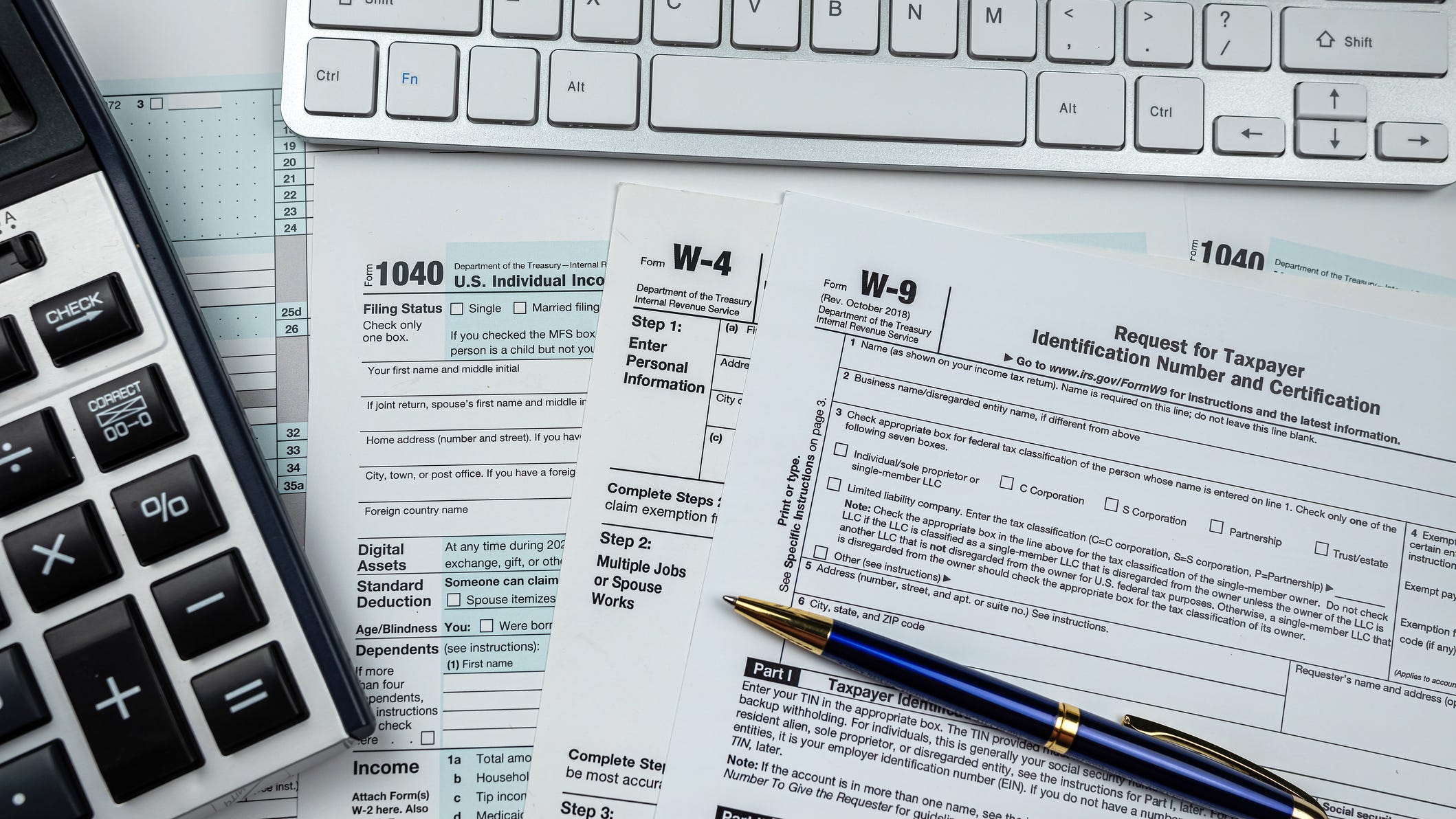

Court ruling could result in millions of dollars in IRS coronavirus tax refunds
A federal court ruling has brought back the issue of COVID-19-era taxes and could leave some Americans owed refunds.
Friday, July 10th will be the last day tens of millions of U.S. taxpayers can file for coronavirus-related IRS refunds. Taxpayers who do not file a return with the IRS to protect a potential refund or reduction permanently lose that opportunity.
The possibility of tax refunds stems from a federal judge’s ruling late last year in Kwon v. United States, which suggested that federal tax filing and payment deadlines would be automatically suspended during the federally declared coronavirus disaster period of January 20, 2020, to May 11, 2023.
The government is appealing the ruling, but if it stands, millions of taxpayers who paid or were charged late fees and interest over the three-and-a-half year period could receive refunds because everything was put on hold.
The IRS has quietly added a tool to its website that allows electronic filing of the forms needed to claim a potential refund for fees paid between January 20, 2020 and May 11, 2023.
Tens of millions of taxpayers may be entitled to refunds or relief of penalties and interest assessed by the IRS during the nearly 3 1/2-year federal disaster caused by COVID-19, but the only way to receive relief is to file a claim by July 10. If a claim is not filed, the opportunity to receive a potential refund or relief is forever lost.
“Time is of the essence for anyone considering a claim,” said Glenn Frost, a founding partner at Frost Law.
How do I know if I’m eligible and how to apply?
Erin Collins of the Independent National Tax Advocate (NTA), law firms, and accountants have published guidelines and steps Americans can take to resolve this issue.
Collins said that while the focus is on potential refunds and reductions, the court’s decision in Kwon v. United States could impact other tax-related deadlines. These include whether some taxpayers are still eligible to claim prior year tax refunds, such as prior year withholdings, estimated tax payments, refundable credits, recovery rebate credits, or other tax benefits.
“This may include taxpayers who never filed an original return, as well as taxpayers who may benefit from filing an amended return to claim additional credits, deductions, and payments,” he said.
Taxpayers should act quickly
Potentially affected taxpayers should now check their records and consider whether they need to file a refund, amended, original, abatement, or protection claim. With the July 10 deadline approaching, the fastest and surest way to get your claim now is to use the IRS’ e-filing tool.
“A protection claim can preserve a taxpayer’s right to a refund even if the law remains unresolved,” Collins said. “Filing a claim does not guarantee relief, but passing the deadline may prevent taxpayers from receiving the refund they are ultimately entitled to.”
Medora Lee is USA TODAY’s money, markets and personal finance reporter. Contact her at mjlee@usatoday.com and subscribe to the free Daily Money newsletter for personal finance tips and business news every Monday through Friday morning..
Gabe Hauari is USA TODAY’s national trends news reporter. You can follow him at X @gabehauari Or email Gdhauari@usatodayco.com.


