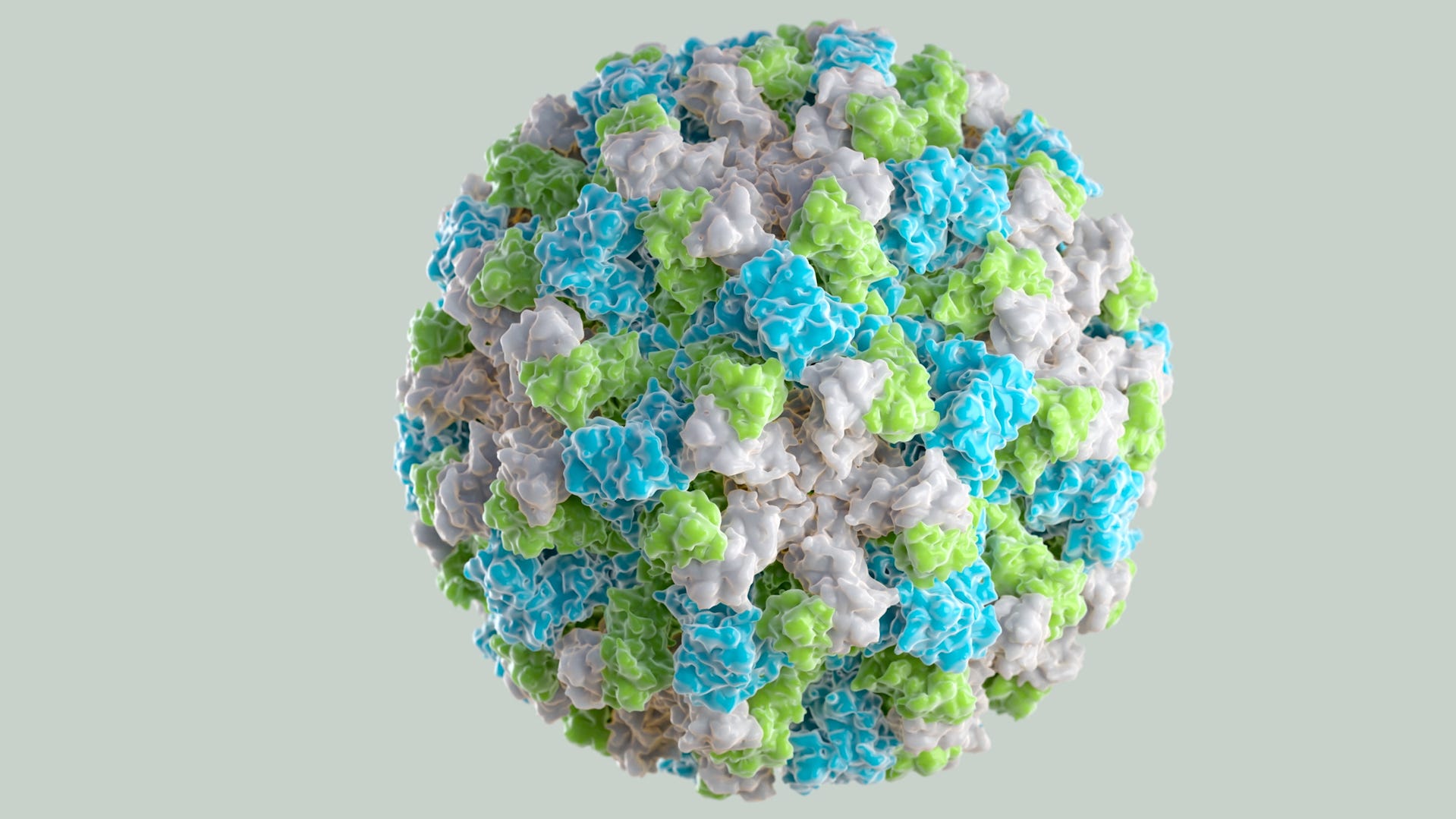

Norovirus: Symptoms and prevention of “stomach cold”
The following are symptoms to be aware of and preventive measures to be taken if the number of norovirus infections increases rapidly.
Hikers along Southern California’s Pacific Crest Trail are experiencing a rapidly spreading case of “winter vomiting.” – They’re not alone.
At least 20 hikers have fallen ill along trails near Wrightwood in the San Gabriel Mountains in San Bernardino County over the past two weeks, and at least one was rescued from the air, according to the USA TODAY Network’s Victorville Daily Press. All are believed to have been infected with norovirus, a gastrointestinal disease that causes unpleasant symptoms.
Hikers may be in a less-than-ideal position to fight the disease, which is known to cause vomiting and diarrhea, but California is not alone in the current outbreak.
Data from WastewaterSCAN, a Stanford University-led tool that tests wastewater samples across the country to track the presence of the disease, classified norovirus activity in late May as “high” and trending upward nationwide. 100% of samples taken in May contained norovirus, with concentrations particularly high in the Northeast and Midwest.
The latest data from the CDC from the National Respiratory and Enteric Virus Surveillance System also shows cases increasing in recent weeks after a steep seasonal decline starting in March. Approximately 11.2% of norovirus tests conducted came back positive in the week ending April 28th, and 12% came back positive in the week ending May 2nd.
The virus is usually associated with the cold winter months when influenza and colds are prevalent, but this late spring surge is not unusual.
It is not only during the winter that the vomiting virus increases rapidly.
The CDC’s NoroSTAT program tracked 1,194 norovirus outbreaks from August 1 to May 7, which is within normal limits and consistent with the 2,534 cases reported during the same period in 2024-2025. According to the CDC, the number of cases is about halfway compared to the 2021-2025 season.
“These levels are about what we would expect at this time of year,” Amanda Bidwell, WastewaterSCAN’s scientific program manager, told USA TODAY in an emailed statement. “Norovirus concentrations typically begin to increase in late fall, peak in early March, and then decline in spring.”
However, NoroSTAT only tracks confirmed cases reported by participating countries, so the actual concentration of cases may be higher. That’s why wastewater can provide a more accurate picture of the prevalence of diseases that aren’t always easily detected in medical settings, especially since most people recover at home without seeing a doctor or receiving a formal diagnosis, Bidwell said.
“Norovirus continues to be prevalent as expected at this time of year, but rotavirus is the pathogen we are currently focusing on in wastewater because it can cause serious illness in children and is a vaccine-preventable disease,” Dr. Alexandria Boehm, Richard and Rhoda Goldman Professor of Environmental Studies at Stanford University and Principal Investigator of WastewaterSCAN, told USA TODAY.
Circulating strains also play a role in the spread of infection. Two variations, GII.4 and GII.17, are now the most common, although GII.4 was once the predominant strain. The newer, more mutated GII.17 will overtake GII.4 in the 2024-2025 season, accounting for 75% of infections, and the recent outbreak may have been caused by a lack of widespread immunity to the variant, the CDC said.
What is norovirus? Why is it called the vomiting virus?
Norovirus is a highly contagious virus that causes unpleasant gastrointestinal symptoms and is also known as the “stomach bug” or “stomach cold,” but it is not actually related to the flu.
It is usually transmitted through contaminated food or water and is the most common cause of foodborne illness in the United States, according to the Cleveland Clinic and CDC. It is known for sudden episodes of vomiting and diarrhea.
Norovirus causes acute gastroenteritis, an inflammation of the stomach and intestines. When someone is infected with norovirus, their body releases billions of tiny, contagious virus particles. Even the slightest contact with these particles can make another person sick.
People are usually no longer contagious about 48 hours after symptoms subside. The virus may continue to be shed in the stool for several weeks after recovery, according to the Mayo Clinic and Cleveland Clinic.
There are different strains of the virus. As your body’s reactions to one type build up, you can easily get sick again with another type. Cases most commonly occur during the cold season, especially from November to April.
The only silver lining is that they are usually short-lived, lasting between 1 and 3 days in your system.
Symptoms of norovirus, commonly known as the stomach bug
According to the Mayo Clinic and Cleveland Clinic, symptoms of norovirus infection include:
- nausea and vomiting
- diarrhea
- stomach cramps and pain
- In some cases, fever, headache, and body aches may occur.
Dehydration is a huge concern when infected with a virus. Symptoms that indicate your body may need more fluids include:
- You urinate less or your urine is dark in color
- dry mouth
- Weakness
- dizziness
- headache
People who are sick and infected with the virus usually experience symptoms suddenly. Children infected with the virus may be restless or sleepy throughout the day, and may cry without tears.
Symptoms usually appear 12 to 48 hours after exposure to the virus and last for 1 to 3 days.
People infected with the virus may experience unpleasant symptoms, but some people may be asymptomatic. However, anyone who is infected is contagious and can pass the virus on to others. According to the CDC, children under 5, the elderly, and people with weakened immune systems are more likely to develop serious infections.
How is norovirus transmitted? How do I stop it?
Norovirus is easily spread by close contact with an infected person (even if you don’t have symptoms), by touching a contaminated surface and then touching your mouth or nose, and most commonly by eating or drinking contaminated food or drink.
This virus can and often spreads when an infected person or someone who has come into contact with a contaminated surface touches food that is being prepared or served. This virus is difficult to kill because it can withstand both high and low temperatures and can withstand many disinfectants.
A very simple but effective tip to avoid going to the bathroom on the weekend is to keep your hands clean. Wash your hands in hot, soapy water for at least 20 seconds and wash often. Wash before and after meals, before and after handling food, and after using the toilet.
Common food safety measures can also prevent disaster. Thoroughly cook food to the specified internal temperature, clean and disinfect frequently touched surfaces and objects (especially if they come into contact with food), and wash fruits and vegetables before serving or eating them.


