Experts say Spirit Airlines’ withdrawal will likely increase ticket prices and reshape airline competition.
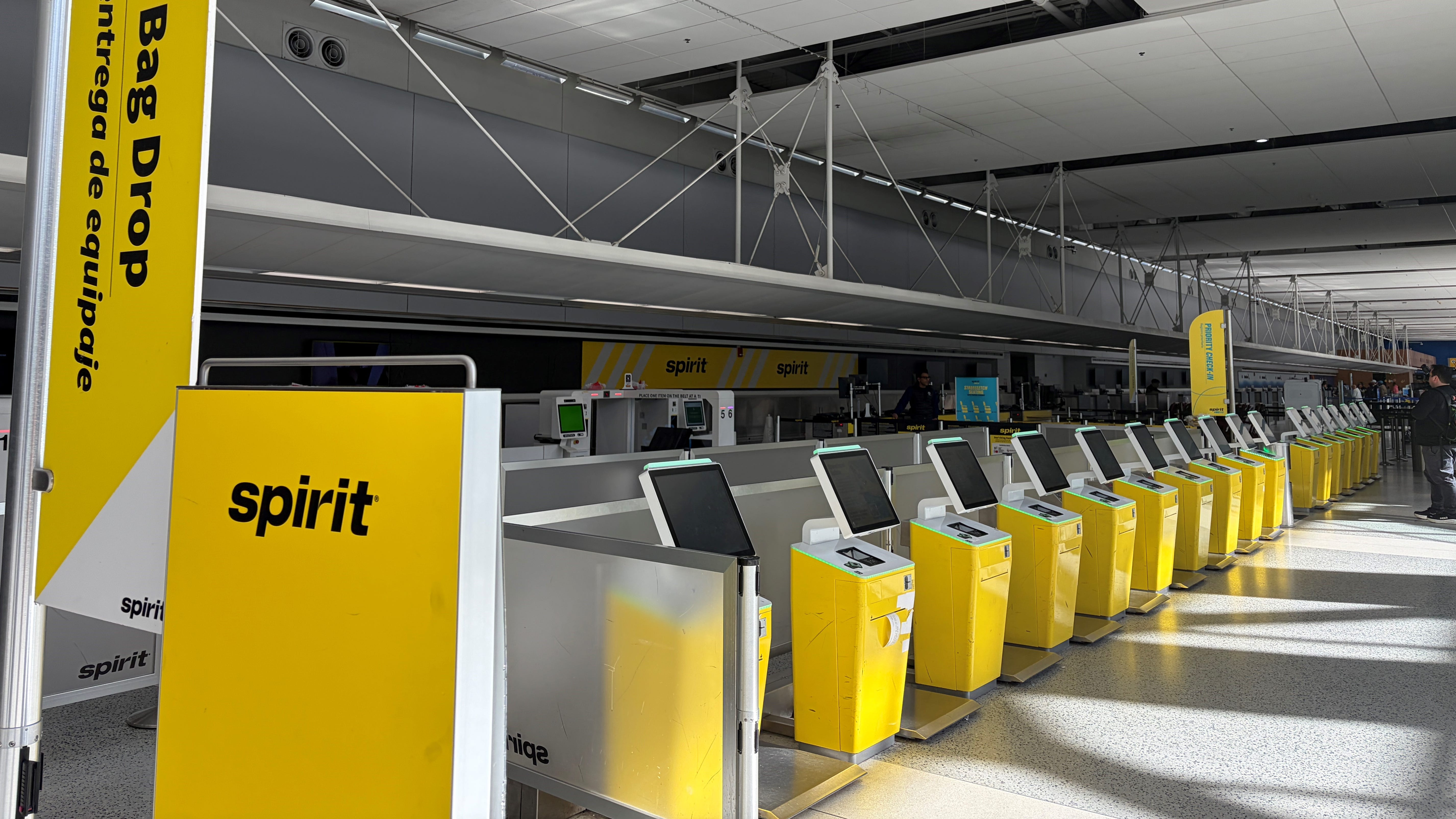

Spirit Airlines grounded, leaving passengers scrambling
Spirit Airlines has announced that it will temporarily suspend operations after years of financial difficulties due to the recent rise in fuel prices.
- Spirit Airlines’ closure is expected to result in higher airfares, especially in markets previously served by the low-cost carrier.
- Other airlines, such as JetBlue, are also expanding routes to capture passengers in markets where Spirit had a large presence.
- Spirit’s more than 170 aircraft will be made available to other airlines through the bankruptcy process, but that will take time.
Spirit Airlines left its competitors with a parting gift.
When the low-cost airline ceases operations on May 2, it leaves room for other carriers to grow.
JetBlue and other airlines have already made moves to attract passengers in markets where Spirit had a large presence, and more than 170 of its planes will be up for sale in some form as the bankruptcy proceedings move forward.
Experts say it will take time for the airline market to reach a new equilibrium, but passengers should expect increased capacity at some airlines and higher airfares in most markets served by Spirit.
Here’s what analysts think is likely to happen next.
Airfares will also rise
The most significant impact for travelers is that airfares are likely to increase across the board, but especially in markets where Spirit competes with other airlines. Airlines are struggling with rising fuel costs due to the Iran war, and the departure of lower-cost competitors means other companies won’t have to compete as hard on price.
“This will make it very easy for the remaining airlines to raise prices to compensate for the higher costs that they are experiencing now. The pace of price increases will accelerate,” Robert W. Mann Jr., a former airline executive officer and current president of RW Mann & Company, an independent aviation consultancy, told USA TODAY.
But Mann warned that if airlines raise prices, it could cut some demand, especially by pushing cost-sensitive travelers out of the market with higher airfares.
Ahmed Abdelghani, associate dean for research and professor of operations management at Embry-Riddle Aeronautical University, told USA TODAY that travelers will have to be prepared to pay more if there is no spirit in the airline ecosystem.
“This low price has helped consumers and other airlines in many markets have had to match that low price in some booking classes,” he said. “Certainly capacity is not permanently lost, but what is permanently lost is the lowest end of the market.”
the plane joins the rest of the fleet
Spirit’s entire fleet of Airbus aircraft is up for grabs.
Aircraft manufacturers are facing delays in delivering new aircraft to customers, and a scramble for Spirit’s aircraft is likely. But Mann cautioned that Spirit’s aircraft redeployment won’t happen overnight and likely won’t help increase capacity during the peak summer travel season, at least not this year.
“Everything is handled under the bankruptcy process, so the idea that things will happen Monday morning or next Monday morning or even sometime in June is optimistic,” Mann said, adding that inspection, repairs and refurbishment of the aircraft alone could take more than a month if a new company were to bring it into the fleet.
“The idea that many of them will go back to work in the summer is very limited. They will only be available after the summer and we don’t need them at that point.”
Spirit had a fleet of 172 planes when it ceased operations on May 2, according to data from aviation analytics firm Cirium. Of those, 95 were in active service and 77 were stored, primarily in Arizona. The majority of Spirit’s aircraft (124) are leased and will automatically be returned to their lessors.
Some of Spirit’s 48 aircraft had previously been leased to a lessor, and as a result of the bankruptcy proceedings, only a few of Spirit’s fleet will be sold directly.
Still, Abdelghani said airlines around the world would be happy to accommodate them.
“Since these aircraft primarily belong to the Airbus 320 family, lenders will have no problem transferring them to other airlines,” he said, adding that it would not take long for them to sell their fleet. “This is an attractive option for many airlines.”
Cirium said Frontier Airlines, an American ultra-low-cost carrier owned by Airbus, is one of the companies most likely to benefit directly from the availability of Spirit aircraft. However, other airlines around the world, including in the Asia-Pacific and Latin American regions, may also adopt some of the aircraft.
Frontier Airlines did not immediately respond to a request for comment on its future fleet plans.
Airlines will try to capture demand
Closer to home, U.S. airlines are likely to work overtime to fill the hole left by Spirit Airlines, especially in the lucrative and popular Florida market.
JetBlue, one of Spirit’s biggest competitors in the Sunshine State, has already announced aggressive moves to expand into the state.
On May 4, the airline announced 11 new routes from Fort Lauderdale, once the heart of Spirit.
Abdelghani said the move was not surprising and had already been telegraphed by JetBlue and other airlines as Spirit downsized in a spate of bankruptcies over the past few years.
“This has happened before. The closure of Spirit Airlines didn’t happen overnight. Routes and destinations were being cut over the past several months,” he said. “This will mostly be absorbed by the market. Another airline will come in and fill those routes or expand in those markets.”
Mann said JetBlue would be the airline best positioned to benefit from Spirit’s closure because it already has a strong foothold in Florida.
“We are committed to Fort Lauderdale to ensure access to air service in this market,” JetBlue President Marty St. George said in a statement announcing the Fort Lauderdale expansion. “Our focus is simple: make it easy for customers to stay connected to the people and places that matter, while providing the service, comfort and value they expect from JetBlue.”
It also increases the likelihood that JetBlue will be acquired by another airline in the future, Mann said. Spirit’s exit from the market gave JetBlue, which has been experiencing its own financial troubles in recent years, an opportunity to generate additional revenue and become a more attractive acquisition target for other airlines.
According to a Reuters report, the Trump administration signaled in April that it would support further consolidation of the airline market, suggesting that potentially large antitrust hurdles may not be much of a stumbling block.
Spirit employees may be rehired
When airlines downsize, thousands of workers often lose their jobs, but in a tight airline market, many of these professionals, especially pilots and flight attendants, are likely to be hired by other airlines as former competing airlines seek to expand in markets that Spirit once served.
“Some of the workers will be transferred, but we hope that other airlines will absorb the bulk of that workforce,” Abdelghani said.
Zach Wichter is a travel reporter and writes the Cruising Altitude column for USA TODAY. He is based in New York and can be reached at zwichter@usatoday.com.


