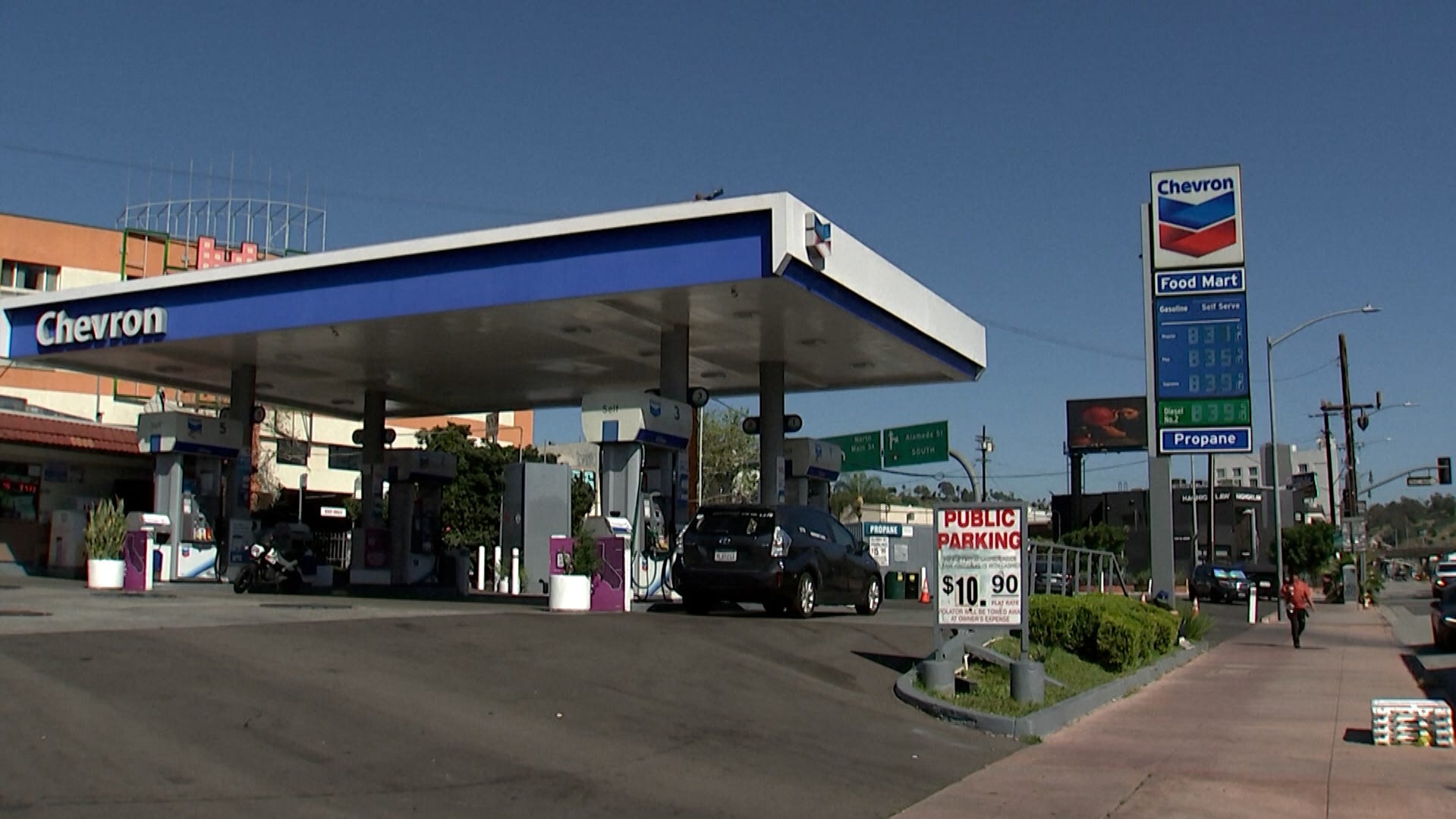

Drivers are feeling the burden as gas prices soar
Drivers across the country are reacting to rising gas prices as costs rise and frustration mounts in cities like Los Angeles.
U.S. consumer prices rose 2.4% in February from a year earlier, the Bureau of Labor Statistics announced March 11, matching forecasters’ expectations.
February’s figures mean annual inflation remained stable after falling from 2.7% in December last year to 2.4% in January. Normally, this number could suggest that inflation is stabilizing, but the data may be less revealing than usual about the trajectory of inflation because it does not take into account the spike in gas and oil prices caused by the Iran war in early March.
“While these inflation numbers provide some comfort, this month’s spike in energy prices has made inflation a thing of the past,” David Russell, global head of market strategy at online brokerage TradeStation, said in a note to USA TODAY. “Investors and the Fed are now in uncharted territory, taking cues from the Strait of Hormuz crude oil and tanker traffic.”
Prices rose 0.3% from January to February, widening from a 0.2% rise in the first month of the year. Over the past month, the cost of housing, food and energy has increased, while prices for used cars, trucks and auto insurance have fallen, according to the BLS.
What is the core inflation rate in the United States?
Core inflation, the BLS measure that excludes volatile food and energy prices, rose 0.2% in February, slowing from January’s 0.3% rise. Over the past 12 months, core inflation has increased by 2.5%.
Has gasoline become more expensive in February?
Seasonally adjusted gasoline prices rose 0.8% in February after falling 3.2% in January. For the year, it decreased by 5.6%.
However, the BLS collected the data in February, just before the U.S. went to war with Iran, so the report does not include the resulting spike in oil prices.
As of the morning of March 11, the average price for regular unleaded products was $3.58, up from $2.94 last month and up from $3.08 a year ago, according to AAA.
Are food prices still rising?
The BLS Eating Out Index overall rose 0.4% in February, up from a 0.2% rise in January.
The price increase was driven by higher prices for fruits and vegetables, which rose 1.4% over the month. Prices of non-alcoholic drinks also rose, rising 0.8%. The household “other” food index also rose by 0.8%, as prices for candy and chewing gum increased by 3.7%.
Some items on shoppers’ grocery lists became more affordable, such as cheese, whose price fell by 1.2%. The dairy and related product index fell by 0.6% in February. Cereals and bakery products also fell in price, falling 0.2%.
Are consumers paying more for housing, electricity, and health care?
The BLS shelter index rose 0.2% in February as some Americans struggled to pay their bills. However, the rate of increase in the rent index was only 0.1%, the smallest monthly increase since January 2021.
Electricity prices, another worry for consumers, fell by 0.7% in February. Over the past 12 months, the electricity index rose 4.8%.
Meanwhile, medical expenses increased by 0.5% in February, and by 3.4% compared to the previous year.
Will the Fed adjust interest rates in March?
Fed policymakers are likely to be watching this inflation data to inform their next interest rate decisions during their two-day meeting on March 17th and 18th, after a worse-than-expected BLS jobs report showed that U.S. employers cut 92,000 jobs in February.
Oxford Economics expects the federal funds rate, the benchmark national interest rate, to remain unchanged until authorities assess the economic impact of the Iran war.
“Oil price shocks represent a two-sided risk to the Federal Reserve’s dual mandate,” Bernard Jarosz, chief U.S. economist at Oxford Economics, said in a note after the report’s release. “In fact, we are more confident than before that the central bank will wait until June to cut rates again. Monetary policy makers need to ensure that longer-term inflation expectations do not become unstable, which is unlikely.”
As of March 11, forecasters expect the FOMC to maintain its target range of 3.5% to 3.75% at its next meeting, increasing the likelihood of a rate cut in the summer.
This is a developing story and will be updated to add new information.
Contact Rachel Barber at rbarber@usatoday.com and follow her at X @rachelbarber_


