Physical and mental health, social media, economic hardship, and marijuana laws are some of the factors that lead Gen Z to become sober.
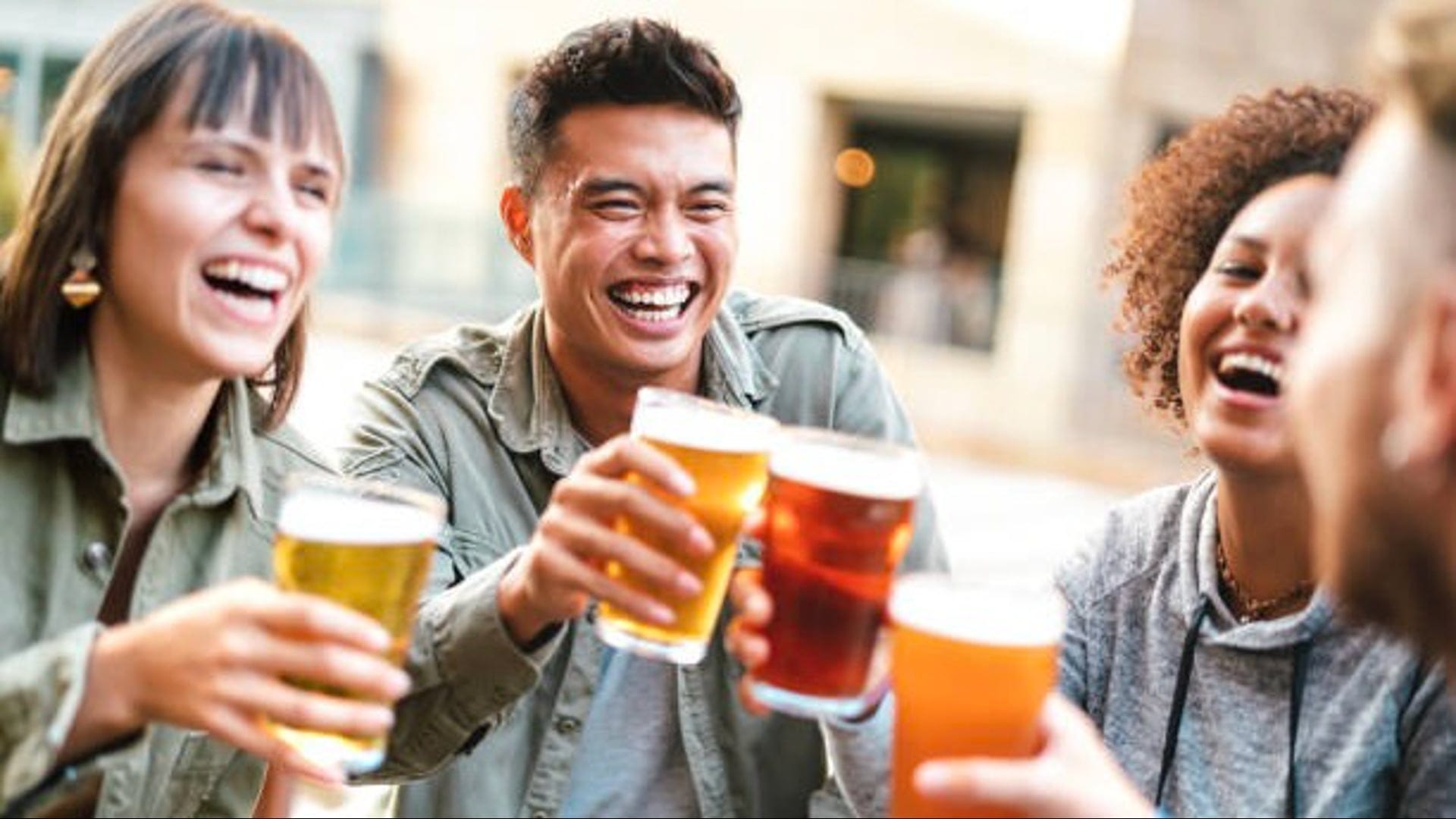

Why alcohol consumption among adults has hit an all-time low
Fewer Americans are drinking alcohol, and more now see even moderate drinking as a health risk, according to a new Gallup poll.
Unbranded – Lifestyle
The new year brings countless resolutions. For some, it starts with Dry January, a month-long challenge of no alcohol consumption.
But the new generation may not need such a challenge at all. They are no longer drinking alcohol.
Many young people are turning away from alcohol completely, choosing sobriety as a lifestyle rather than a 30-day commitment.
Sierra Boone, 25, has been sober for almost three years. Her sobriety is woven into a larger trend. Generation Z, those born between 1997 and 2012, did not drink alcohol and are currently not drinking alcohol. Global research firm Gallup reported that from 2001 to 2023, the percentage of adults ages 18 to 34 who had at least one alcoholic beverage in the past week decreased by 11%.
“I don’t think this is a temporary thing at this point. In fact, I think this trend will continue to grow,” Dr. Jared Harp, an addiction psychiatrist at the Cleveland Clinic, told USA TODAY.
Boone, who first drank alcohol as a teenager, told USA TODAY that for years alcohol was a form of escapism. Coming from a family struggling with addiction and mental illness, she has chosen a different path.
Boone, who lives in Cooter, Missouri, told USA TODAY, “I think my liver is probably happier, and honestly, it’s brought me closer to people that I had grown distant from while my alcoholism was progressing.” “It made me feel more grounded…and honestly, it brought me closer to God. That’s the biggest benefit of this for me.”
Harp said younger adults have been found to be more intentional about their alcohol consumption than older generations.
“I think Dry January gives everyone a glimpse into what their own drinking orientation and consciousness is like,” he said.
Why are Gen Z drinking less?
There are several explanations for why young people are drinking less.
One reason for that is that Gen Z is more conscious of their physical and mental health, Dr. Joseph Volpicelli, founder of the Volpicelli Addiction Treatment Center in Pennsylvania, told USA TODAY.
A 2024 study conducted by strategy and management consultancy McKinsey & Company found that 56% of Gen Z consider fitness a “very high priority,” compared to 40% of other U.S. adults.
Perhaps the main reason Boone stopped drinking is because she started prioritizing her mental health, a trait shared by many Gen Zers.
According to a 2018 study by the American Psychological Association, 37% of Gen Z are more likely to receive mental health support, such as therapy, compared to 35% of Millennials, 26% of Gen Z, and 22% of Baby Boomers.
For young people in particular who are making health a priority heading into the new year, Volpicelli said Dry January provides a 30-day reset that may help you sleep better, lose a few pounds and feel less anxious.
Impact of technology and social media
Social media presence is also influencing Gen Z’s sobriety.
Volpicelli, who has a 17-year-old granddaughter, said her social experience is different than in high school. When he was a teenager, parties revolved around beer kegs, he says, but that’s not necessarily the case anymore.
Volpicelli, 72, said her granddaughter and other young people she meets at the treatment center are spending more time together virtually, and alcohol is no longer the focus of their gatherings.
Research supports this. In 1991, 64.4% of high school seniors said they had consumed alcohol at least once in their life, but by 2024, only 33% of high school seniors will report doing so, according to Dutch research firm Rabo Research. And what about dip? Lab Research found that around 2012, smartphones became an integral part of teenagers’ lives.
restore social prejudice
Another example of cutting down on alcohol consumption: Prejudice against drinking seems to change when young people are present, says Dr. Harp of the Cleveland Clinic.
“If someone hadn’t had a drink in a long time…at least they would have felt like, ‘Why are people questioning why I don’t drink?'” Harp said. “But when it comes to cigarettes, no one asks, and very rarely does, anyone asks, ‘Why don’t they smoke?’ We all kind of understand that smoking has health effects, and I think we tend to look at alcohol in much the same way. It’s like, ‘Oh, drinking might not be the healthiest thing, so it kind of makes sense for them to stop drinking.’ ”
Guinevere Goodwin, 27, of Springfield, Missouri, previously worked in the bar industry for three years and agreed that mindsets are changing.
“I actually think this is something to be celebrated in this industry because there are so many former service workers who have had to fight so hard to get sober,” she said.
Goodwin himself has taken a step back from alcohol in recent months. She said she is now able to connect more clearly with friends and enjoy feeling more herself when she goes out.
Money is tight and alcohol is expensive.
Economic hardship also plays a role in Gen Z’s abstinence.
According to a 2025 study from Bank of American, 33% of Gen Z are worried about their finances, and 52% of them say economic instability is the root cause. To stabilize their lives, around 64% of those surveyed said they were focusing on cutting back on expenses, including eating out.
Ten years ago, households headed by adults over 30 spent 1.1% of their income on alcohol. This number is now closer to 0.74%, Rabo Research reported this year.
Ms Goodwin said the financial burden of drinking regularly was difficult for her. Between a few bottles of wine a week and eating out, she was spending about $200 a month on alcohol.
legalization of marijuana
Another reason Gen Z is turning away from alcohol is that they’re seeking other types of highs.
As marijuana becomes legal in more parts of the country for medical and recreational purposes, it has become a leading cause of Gen Z abstinence. Boone said marijuana helped ease the transition.
According to a survey conducted by cannabis industry data hub New Frontier Data, 69% of adults ages 18 to 24 said they would prefer marijuana to alcohol in 2022.
According to DISA Global Solutions, as of December 2025, 40 states have legalized medical marijuana and more than 20 states have legalized recreational marijuana.
Binge drinking remains a problem
Cleveland Clinic’s Harp said Gen Z may be consuming less alcohol, but binge drinking, which involves consuming large amounts of alcohol in a short period of time, remains a widespread problem. According to the National Institute on Alcohol Abuse and Alcoholism, for the average adult, binge drinking is considered four to five drinks within two hours.
According to the 2024 National Survey on Drug Use and Health, 21.7% of U.S. adults ages 18 and older reported binge drinking in the past month.
Give yourself grace in this dry January
Are you sober and curious? Dry January can be a healthy way to assess your alcohol intake. Learn more about the challenges and tips for success.
“I like to look at ‘Dry January’ not as a morality play, but as a 30-day experiment to see how I feel. The goal is not to be perfect. The goal is to be informed,” Volpicelli said. “If you’re finding it difficult to control your drinking during Dry January, it’s important to reach out and ask for help.”
Anyone struggling with alcohol addiction can contact the Substance Abuse and Mental Health Services Administration toll-free by calling 1-800-662-4357 or texting ZIP code 435748.
Greta Cross is USA TODAY’s national trends reporter. Story ideas? Email her at gcross@usatoday.com.


