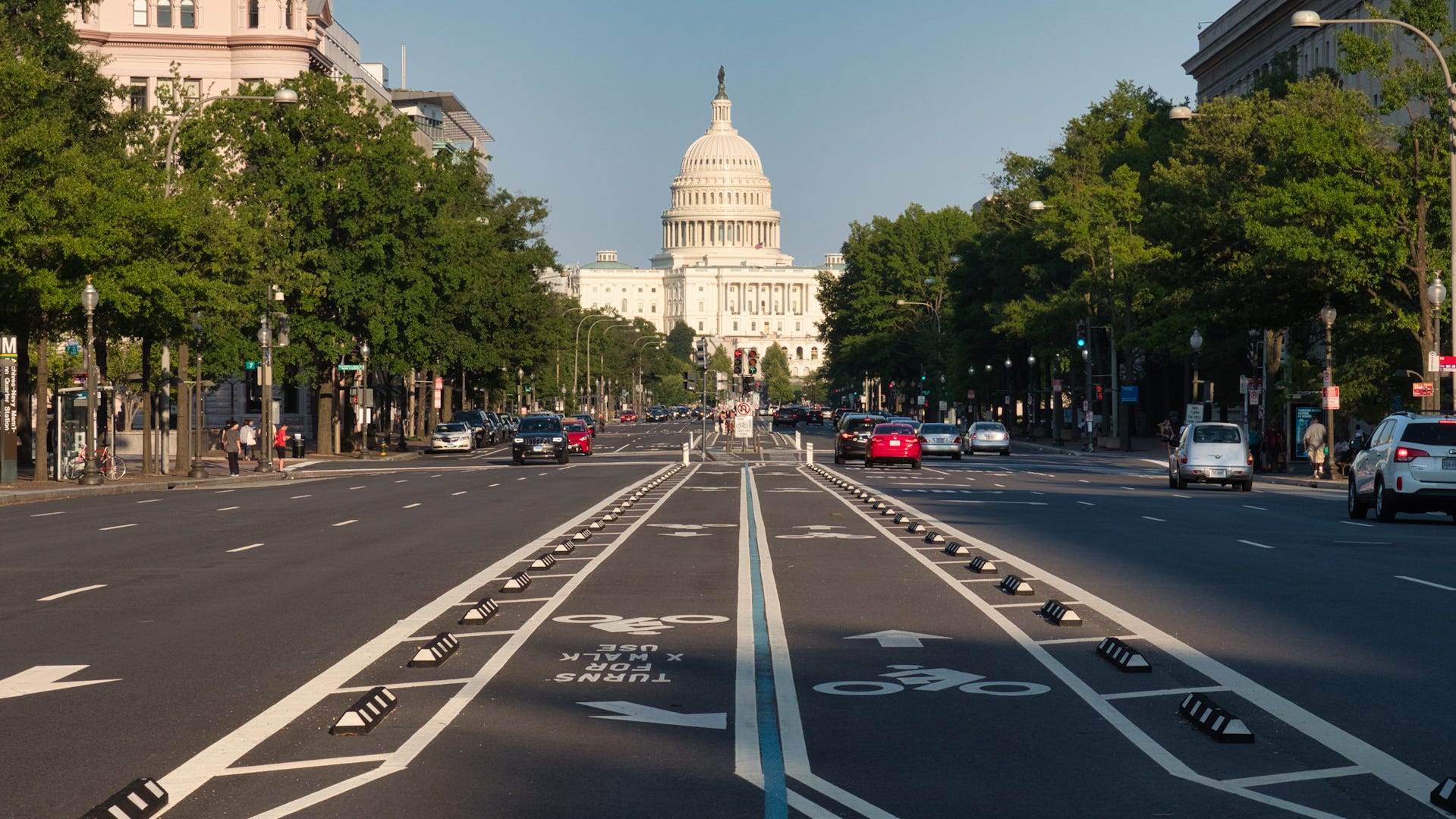

Who is to blame for the government shutdown? Americans speak out
From furloughed workers to small business owners, Americans told USA TODAY Network how the government shutdown is impacting their lives.
The White House says President Donald Trump could step up action if the federal government shutdown continues beyond the end of this week as concerns about unpaid wages and benefits such as food assistance continue to mount. The president’s economic adviser, Kevin Hassett, did not elaborate on what actions Trump might take if lawmakers fail to agree on a budget on Oct. 17, but his comments came in the wake of layoffs across the government during last week’s government shutdown, now in its 18th day.
While Congress was in session over the weekend, more than 2,500 “No King” protests were organized across the United States against the actions of President Trump and his administration. Organizers hope to break records for participants as the largest peaceful protest planned in the United States.
The Senate is scheduled to reconvene for the 11th time and vote on a bill to end the shutdown on Monday, October 20th at approximately 5:30 p.m. ET.
Is the federal government still closed?
Yes, the federal government has remained largely shut down since shortly after midnight on October 1st.
More than 750,000 federal employees have been furloughed and ordered not to report to work. Personnel deemed essential to public safety, including military personnel, law enforcement officers, border patrol agents and air traffic controllers, are required to work regardless. President Trump signed an executive order directing the Pentagon to preserve pay for active duty military personnel despite the government shutdown, but this does not apply to all federal employees who are required to continue working.
What do Democrats and Republicans want from reopening the government?
Democrats want to secure tax cuts for the 24 million Americans who get insurance through the Affordable Care Act (known as Obamacare) and refuse to support government spending bills that do not address the issue.
Senate Democrats want to make the tax cuts, which are set to expire at the end of the year, permanent and provide reassurance to prevent the Trump administration from temporarily withholding funds.
Republicans and the president have said they are open to considering fixes to the expiring ACA tax cuts, but want the issue to be addressed separately from the ongoing budget impasse. Republicans also argue that the Democratic proposal could pay some of the health insurance premiums of undocumented immigrants. That’s not true, according to the nonpartisan Congressional Budget Office.
What about Social Security, Medicare, and Medicaid?
According to the Social Security Administration’s closure plan, the agency will continue to provide retirement and disability benefits, but will furlough 12% of its employees and suspend marketing campaigns.
Payments will continue under the Medicare and Medicaid health care programs as well.
Will American mail be delivered?
The USPS said in a statement that it is open because the U.S. Postal Service is not dependent on Congress for funding.
What about the airport?
More than 13,000 air traffic controllers and about 50,000 Transportation Security Administration employees will be required to report to work during the shutdown, and neither group is expected to be paid until Congress approves a budget.
Will food assistance continue under SNAP and WIC?
The U.S. Department of Agriculture says the Supplemental Nutrition Assistance Program (SNAP), the nation’s largest food assistance program, and the Special Supplemental Nutrition Program for Women, Infants, and Children, known as WIC, will continue to operate as funds allow.
But the federal agency warned that if the shutdown doesn’t end, there won’t be enough money to pay all of November’s SNAP benefits.
State health officials across the country, including North Carolina, Wisconsin and Minnesota, have begun warning recipients that they may run out of money for November.
What does the military shutdown mean for the military?
President Trump signed an executive order directing the Department of Defense to ensure active duty military personnel are paid despite the federal government shutdown.
As of Oct. 15, 1.3 million active-duty military personnel received paychecks, but about 55% of the Pentagon’s 740,000 civilian workforce has been furloughed, including employees in training, acquisition, and administrative support. Civilians in cybersecurity, medical care, weapons systems maintenance, intelligence, and logistics are still working and are not included in President Trump’s pay order for active-duty employees.
The National Guard, which President Trump deployed to American cities, must also remain active.
What about Homeland Security, Immigration and Border Patrol agents?
Only 5% of the Department of Homeland Security’s 271,000 employees are furloughed, including those involved in research, planning, training and auditing.
The Department of Homeland Security confirmed on October 16 that more than 70,000 sworn law enforcement officers across the department, including officers in Customs and Border Protection, Immigration and Customs Enforcement, the Secret Service, the Transportation Security Administration, and other critical mission areas, will be paid for all hours worked during the shutdown.
The shutdown, the 15th since 1981, is shaping up to be the third longest shutdown in U.S. history, surpassing 1978 under President Jimmy Carter and 2013 under President Barack Obama.
Contributors: USA Today’s Fernando Cervantes, Joey Garrison, Bart Jansen, Meliina Khan, Mary Walrath-holdridge, Swapna Venugopal RamasWAMY, Reuters


