
Popular astronomical events in December 2025
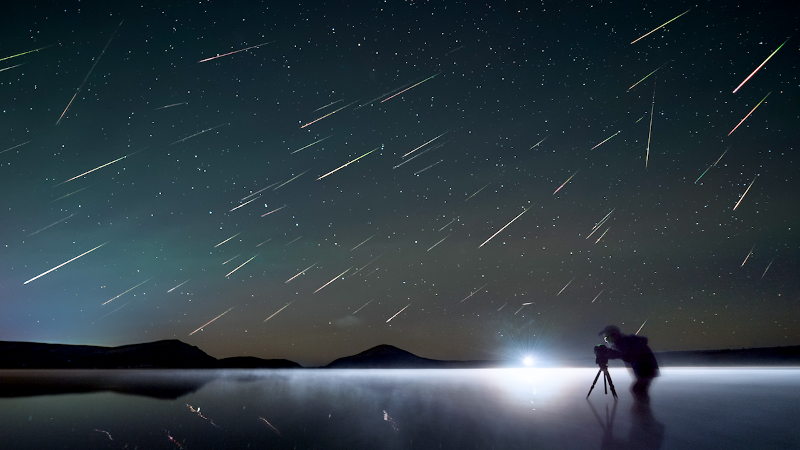
From this year’s best meteor shower, the Geminid meteor shower, to the changing seasons of the summer solstice, here are the top astronomical events on the December 2025 calendar.
Stargazers and astronomers are preparing for one of the most anticipated meteor showers of the year: the Geminid meteor shower. This weekend is likely to be the peak.
If you observe the shower from the darkest sky possible, you can see up to 120 shooting stars per hour at its peak, according to NASA. This shower is made up of debris from asteroid 3200 Phaethon and is known for being bright and colorful.
Not only will the shower occur over the weekend, but the moon’s light will not affect viewers’ experience until it begins to rise at 2 a.m. local time, according to the American Meteor Society.
“With Gemini in a good position after (10pm local time), this is the only major rain that will bring good activity before midnight,” the association said on its website.
Here’s what you need to know about the Geminid meteor shower and its peak.
When does the Geminid meteor shower peak?
The meteor shower will be at its peak from the night of Saturday, December 13th to Sunday, December 14th.
When will the Geminid meteor shower end?
The meteor shower starts on December 4th and ends on December 17th.
Where can I see the Geminid meteor shower?
According to the American Meteor Society, the Geminid meteor shower often appears in the eastern sky near the constellation Gemini. After the moon rises at 2 a.m., stargazers should face west so that the moon’s light doesn’t obscure their view.
Jupiter will also be visible in the eastern sky on December 13th.
Apps like SkyView and SkySafari Pro can help stargazers and backyard astronomers find constellations.
When is the best time to see the Geminid meteor shower?
The best time to view the Geminid meteor shower is between 10pm and 2am local time between Saturday, December 13th and Sunday, December 14th.
Those who missed the peak over the weekend will still have a chance to catch a shower before it ends on Wednesday, December 17th.
Do I need any equipment to view the Geminid meteor shower?
No, spectators don’t need anything to see the meteor shower. In fact, you don’t even need a telescope or binoculars, according to NASA.
Using a telescope may limit your view of the night sky. The entire night sky should be clearly visible, especially since multiple showers can occur at the same time and shooting stars can come from all directions.
If you decide to observe the Geminid meteor shower, be sure to:
- Check the weather and cloud cover in your area to make sure conditions are perfect for viewing the meteor shower.
- Find a dark place away from light pollution
- Please allow 20-30 minutes for your eyes to adjust to the darkness.
- Avoid looking at cell phones and bright lights
To stay as comfortable as possible, dress for the weather, use bug spray, and bring a blanket, sleeping bag, or recliner to lie down on.
Julia is a trends reporter for USA TODAY, covering scientific research and trending news. Connect with her on LinkedIn ×Instagram, TikTok: @juliamaigz or email jgomez@hannett.com.


