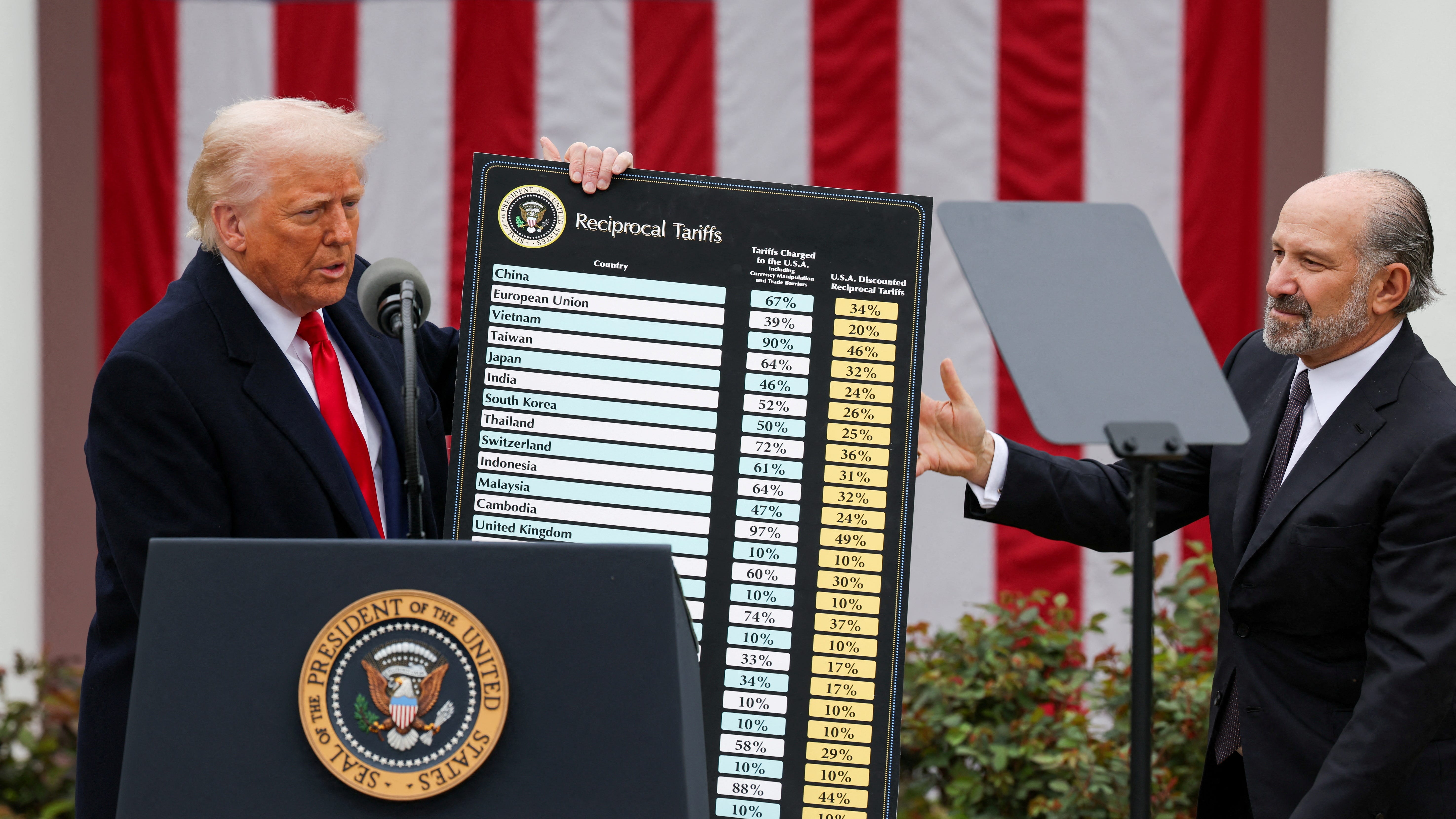

SCOTUS rules against President Trump’s sweeping tariffs in 6-3 decision
The Supreme Court has ruled that President Donald Trump does not have the power to impose large tariffs at will.
Economists say a landmark Supreme Court ruling that struck down many of President Donald Trump’s import tariffs could mean savings for consumers in the coming months.
The greatest relief is expected for the categories of consumer items most affected by tariffs, including glassware, tableware, furniture and a wide range of household goods.
President Trump’s tariffs have raised the price of many imported goods, and the impact is reflected in January’s inflation report. Prices of home furnishings and supplies increased by 3.8% from January 2025 to January 2026. Furniture and bedding prices rose 4%. Prices of tableware and tableware increased by 5%.
“We think the tariffs have increased consumer goods prices by about 2% overall,” said Michael Pearce, chief U.S. economist at Oxford Economics.
Will consumer prices fall as a result of tariff decisions?
Where does the price go from here? Much will depend on whether the Trump administration responds to the high court’s ruling with new tariffs by leveraging some legal authority other than the authority granted by the courts.
“If the administration does not respond with new tariffs, this means that some of the tariff-related price increases seen last year could be reversed in the coming months,” Pierce said. “Consumers could potentially earn a little more in their take-home pay.”
There is intense debate about how much tariffs are already pushing up prices.
U.S. consumers and businesses paid nearly 90% of President Trump’s tariff costs through late 2025, according to a February report from the New York Fed.
The research was shocking. White House chief economic adviser Kevin Hassett slammed the report and suggested the authors should be “reprimanded.”
A separate analysis by the nonprofit Tax Foundation found that President Trump’s tariffs amount to a $1,000 tax increase per household in 2025. Households are expected to pay an additional $1,300 in 2026.
This estimate may change in light of new court rulings. Yale University’s Budget Lab suggests that consumer prices will increase by 0.6% in the short term, costing the average U.S. household about $800. Without the High Court’s ruling, prices would rise twice as fast, Budget Labs said.
Whatever their impact, the tariffs have not caused the inflation crisis that many observers feared. The annual inflation rate remained at 2.4% for January as a whole.
Pearce estimates that the Supreme Court’s ruling will reduce the effective U.S. tariff rate from 12.8% to 8.3%.
Yale University’s Budget Institute estimates the new tariff rate at 9.1%. Barring last year’s policy change, this remains the highest U.S. tariff rate since 1946, according to Budget Lab.
The Supreme Court’s ruling does not apply to all of President Trump’s 2025 tariffs. For example, tariffs on certain industrial sectors such as steel and automobiles are excluded.
Where are tariffs still applicable?
The remaining U.S. tariffs that were not lifted due to the court ruling “hit the heaviest on metals, automobiles, and electronics,” Budget Lab reports.
Thousands of U.S. importers could soon get partial or full refunds for the estimated $150 billion in duties they paid.
Pearce and other customs experts say it’s unclear how those refunds will reach consumers. If there is a refund, the refund will likely go to the importer who paid the tax.
In fact, some companies “have already said they’re going to raise prices this year because of the tariffs they paid last year,” said Alex Jacques, director of policy and advocacy at the progressive think tank Groundwork Collaborative.


