
SCOTUS lifts Colorado’s ban on conversion therapy
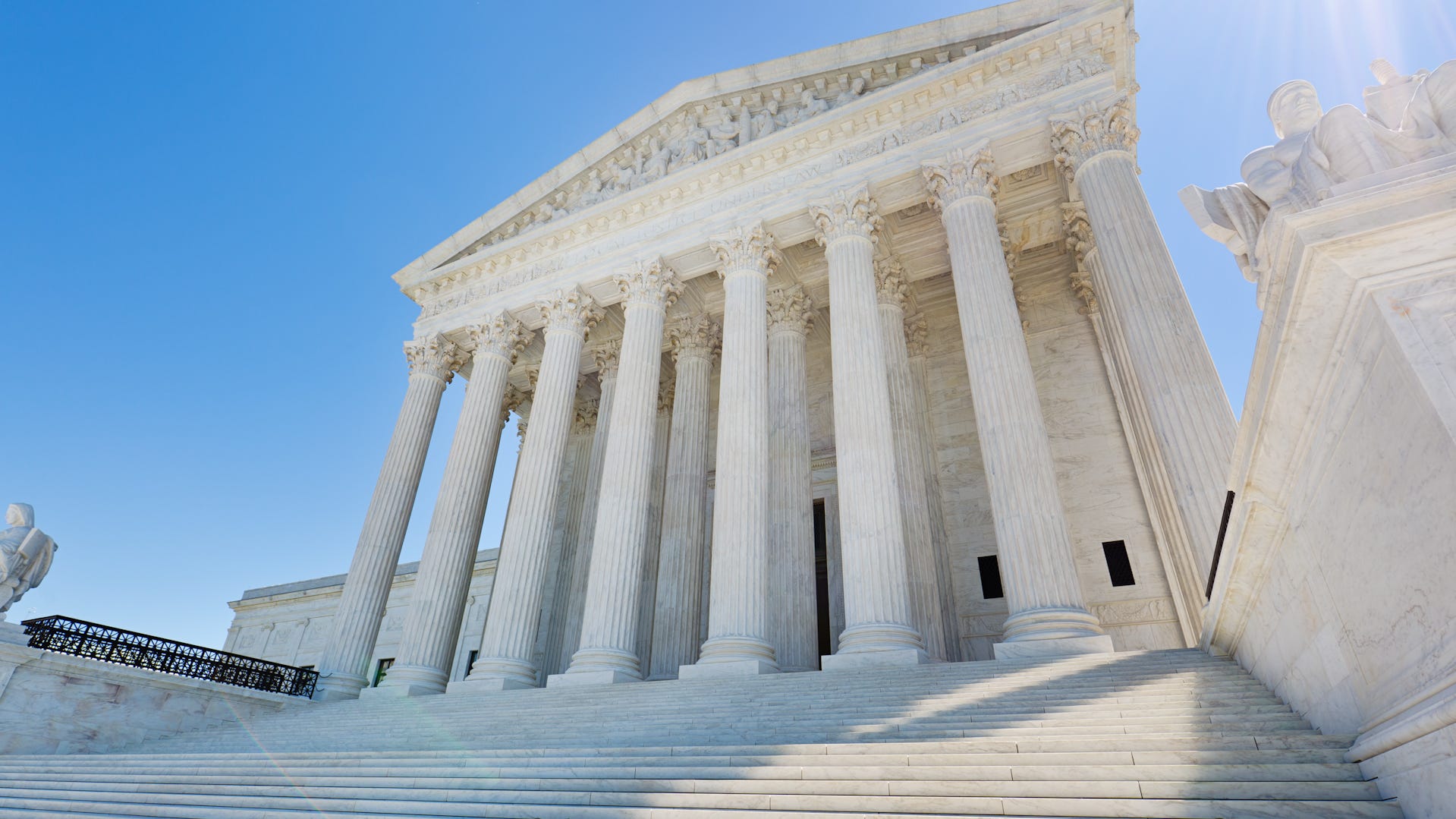
The Supreme Court ruled 8-1 that Colorado’s ban on conversion therapy violates the free speech rights of licensed Christian counselors.
In the latest legal setback for LGBTQ+ Americans, the Supreme Court said Colorado’s ban on LGBTQ+ “conversion therapy” for young people violates the free speech rights of Christian counselors. But what is conversion therapy?
Conversion therapy, also known as “reparative” or “reorientation” therapy, is defined by Psychology Today as “pseudoscientific and discredited practices that seek to force LGBTQ+ individuals to change their sexual orientation or gender identity.”
More than a dozen major mental health and medical organizations, including the American Psychological Association and the American Psychiatric Association, have abandoned conversion therapy as ineffective and harmful.
“Research consistently finds that undergoing conversion therapy is associated with negative mental health outcomes, including increased risk of depression, substance abuse, and suicide,” Psychology Today notes on its website.
The American Psychological Association added that these practices are “not evidence-based” and “steve from the scientifically unreliable belief that being LGBTQ+ is a mental illness that should be treated.”
The American Psychiatric Association declassified homosexuality as a mental illness in 1973.
In the latest lawsuit, Colorado officials argued that the law is similar to regulations in about half of the states and regulates professional conduct, not speech. However, the Supreme Court upheld the therapist’s challenge to the ban by an 8-1 vote.
Despite certain state restrictions, LGBTQ+ advocacy group The Trevor Project announced in 2023 that it had identified more than 600 professional counselors who claim they can help someone change their sexual orientation or gender identity.
“The Supreme Court’s decision to treat the dangerous practice of conversion therapy as constitutionally protected speech is a tragic setback for our country and will put young lives at risk,” Trevor Project CEO James Black said in a statement after the ruling.
Some people voiced their opposition to the ruling.
Dr. Aisha Mayes, a California adolescent medicine physician and director of Physicians for Reproductive Health, said conversion therapy is “life-threatening.”
“As a physician who cares for young people every day, I know how important it is to young people’s health and well-being to have access to health care that affirms who they are,” she said in a statement. “I’m a researcher, scientist, and youth health care provider who has cared for LGBTQ youth throughout my career, so I know the consensus is clear: Conversion therapy is dangerous and harmful.”
Kaley Childs, a Colorado therapist involved in the case, said she practices from a Christian perspective and called the decision “a victory for counselors and, more importantly, for children and families around the world.”
Justice Elena Kagan, one of two liberals who voted with the court’s six conservatives, said Colorado could regulate counseling as long as the state’s rules are “viewpoint neutral.”
“But a full consideration of that issue can wait until another day,” she wrote in a concurring opinion joined by Justice Sonia Sotomayor. “We don’t need to decide here how to evaluate perspective-neutral laws regulating health care provider expression, because, as the court has held, Colorado is not the law.”
Contributor: Maureen Groppe, USA TODAY


