Forecasters say the bitter cold and snow will be replaced by above-average temperatures in most parts of the country.
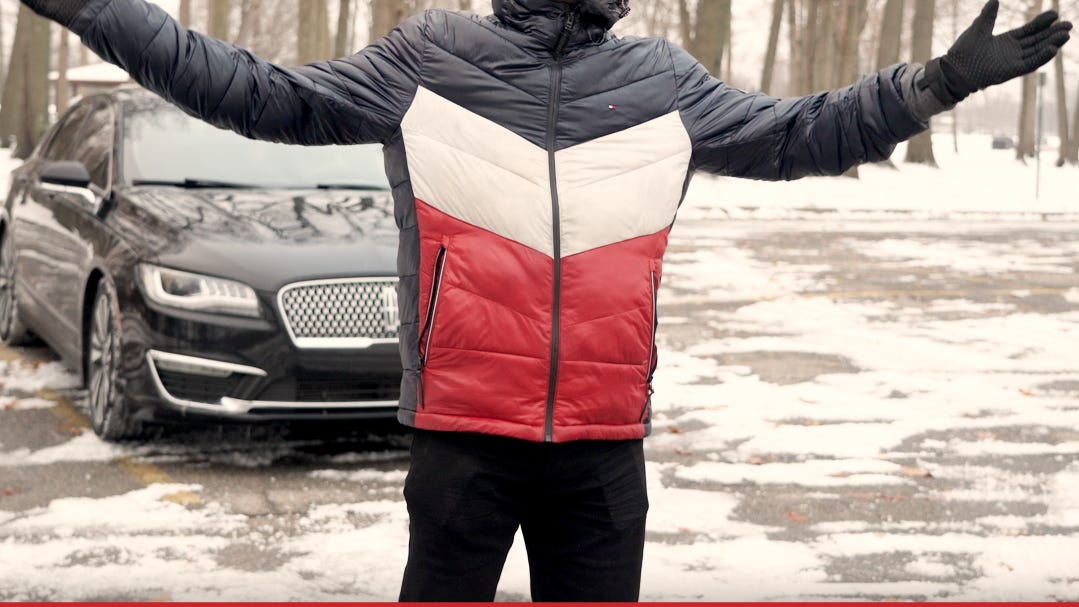

Winter car maintenance checklist for those driving on snowy roads
Do you live and drive in an area with snow? Here are some winter maintenance tips.
A wave of arctic air is moving into the United States, but forecasters predict it will soon dissipate due to warming, leading to warmer temperatures before Christmas.
The winter storm is expected to bring light to moderate snow to much of the central and northeastern parts of the country starting the weekend of Dec. 13, with up to 6 inches of snow expected to fall in some locations. Then, thanks to the polar vortex, arctic air blows in.
“If there’s any consolation, it’s that the arctic blast will pass quickly and the worst conditions will only last a little over 24 hours,” said AccuWeather senior meteorologist Brett Anderson. “Significant warming is expected over much of the east-central United States next week.”
While the East is enduring bitter cold, states in the West are actually seeing temperatures 15 to 25 degrees above average, according to the National Weather Service.
According to the Bureau of Meteorology, this warming will spread from west to east and will be widespread across the country by December 18.
How warm does it get?
As warming spreads from coast to coast, temperatures could rise 15 to 25 degrees above seasonal averages in many parts of the country.
The High Plains will be the most unusually warm, with temperatures in the 60s extending into western Nebraska and South Dakota, the National Weather Service said. Texas could reach 80 degrees by next weekend.
Daytime high temperatures in the Midwest and Northeast are expected to rise as much as 30 degrees from Dec. 15 to Dec. 18, from the 20s to 50s, according to forecast maps.
Will rising temperatures ruin any chance of a white Christmas?
A white Christmas refers to at least an inch of snow on the ground on Christmas Day, regardless of whether it actually snows that day.
AccuWeather says rising temperatures could melt snow and worsen conditions at ski resorts ahead of the holidays. Still, another cold front is on forecasters’ radar after next week’s warming, the National Weather Service said.
Historical data can tell you what the probability of a white Christmas will be across the country. According to the National Oceanic and Atmospheric Administration, which created a white Christmas probability map based on climate data from 1991 to 2020, the best locations for a white Christmas in any given year are Alaska, Minnesota, Maine, upstate New York, Idaho, or some of the snowiest mountain ranges in the country. read more.


