
State Department freezes visa application processing from 75 countries
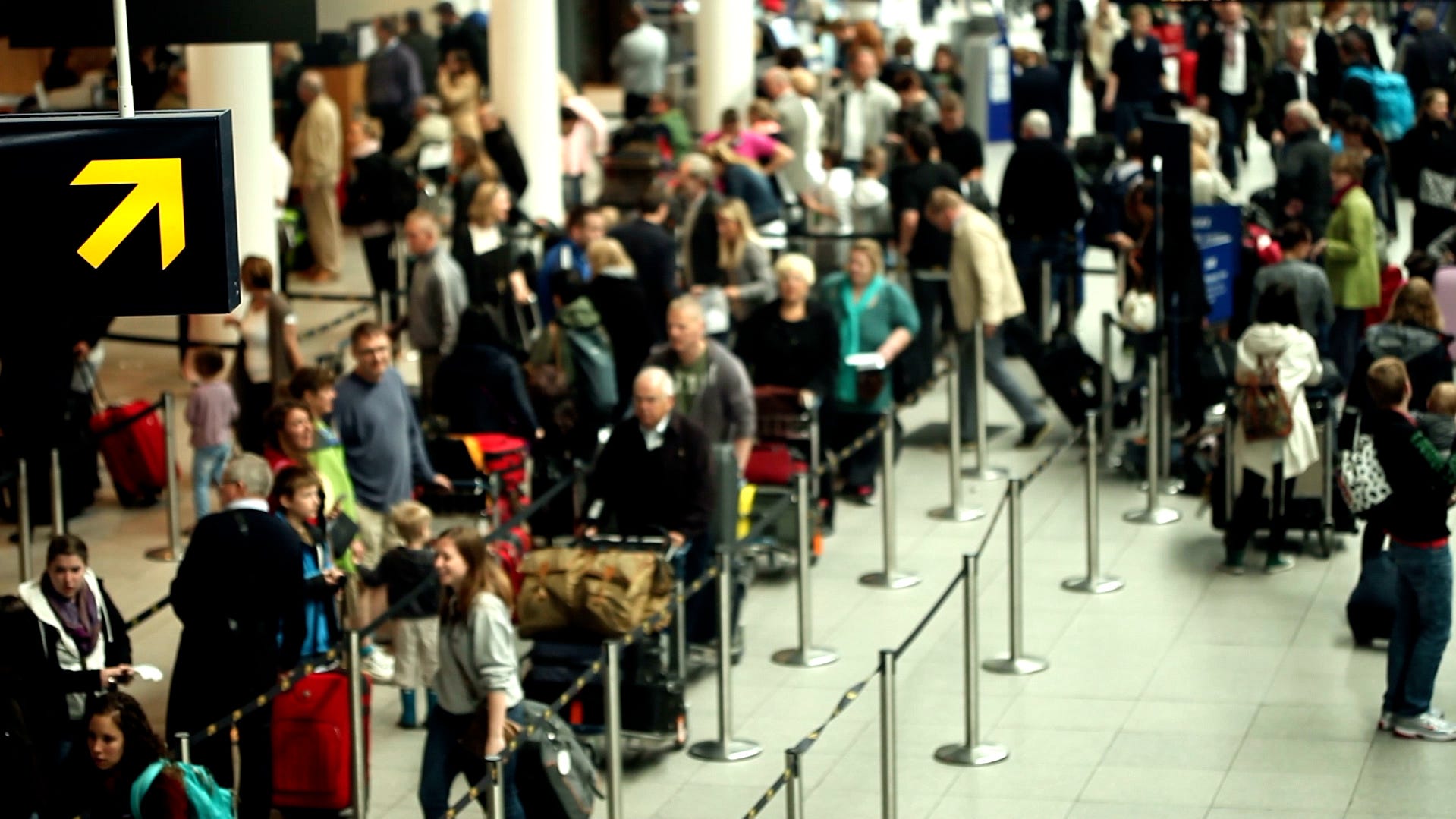
The Trump administration has suspended all visa processing for applicants from 75 countries, including Somalia, Iran, Russia and Brazil.
- The Independent Technology Research Federation sued the government on March 9, claiming that measures taken against non-citizens based on their content moderation work amount to unconstitutional censorship.
- The group said the policy had already led to action against non-national members and other members were “very understandably concerned that they could be next on the list”.
- A Justice Department spokesperson called the lawsuit “baseless.” The department said it “respects the First Amendment” and rejected the idea that such actions violate the constitution.
A new federal lawsuit filed against President Donald Trump’s administration claims that actions against noncitizens based on fact-checking and content moderation work amount to unconstitutional censorship.
The Coalition for Independent Technology Research, a U.S.-based nonprofit organization made up of academics and others whose mission is to “promote, defend, and preserve the right to ethically study the effects of technology on society,” filed the complaint on March 9 in the U.S. District Court for the District of Columbia.
The group accused Secretary of State Marco Rubio, Homeland Security Secretary Kristi Noem, and Attorney General Pam Bondi of “(adopting) new policies to exclude and deport noncitizens who work in combating misinformation and disinformation, fact-checking, content moderation, trust and safety, and compliance.”
The complaint says the alleged policy is a “clear violation of the First Amendment.” It also accused the government of having “the goal of punishing independent researchers, advocates, and others who research and report on major internet platforms.”
A Justice Department spokesperson told USA TODAY that the department “respects the First Amendment” and that the federal law that allows the administration to remove individuals who pose a potential risk to the nation’s interests is “fully consistent” with the Constitution.
“The Department of Justice continues to defend against frivolous lawsuits like this that seek to weaken the government’s authority to enforce federal law and make America less safe,” the spokesperson said.
A State Department spokesperson reiterated the administration’s previous statements that “visas are a privilege, not a right.”
“The United States has no obligation to recognize or torment individuals who subvert our laws and deny our people our constitutional rights,” they said.
USA TODAY has reached out to the Independent Technology Research Alliance for comment.
Coalition members and organizations affected by the policy speak out
The complaint said the administration’s policy “punishes expressive activities that have no legitimate government purpose.”
The article referenced a statement Rubio released in December announcing the action against the five people who “led a coordinated effort to force U.S. platforms to censor, demonetize, and suppress U.S. views with which they disagree.”
Two of them led organizations that were members of the Independent Technology Research Coalition, according to the complaint.
“Other non-citizen members[of the organization]are very legitimately concerned that if they continue to focus their research and advocacy on major internet platforms, they will be next on the list,” the group said.
The complaint also alleges that when Trump returned to office in 2025, his administration targeted those who criticized more lenient content moderation policies toward X under the direction of Elon Musk, who briefly led the now-defunct Department of Government Efficiency.
Government says visa is a ‘privilege, not a right’
In December, the State Department expanded online screening requirements and implemented a visa policy for all H-1B visa applicants and their dependents seeking temporary entry to the United States for professional employment. The screening was previously mandatory for international students and exchange visitors.
The announcement did not provide details on what exactly the authorities are looking for in the review or what types of content would be considered disqualified.
Reuters previously reported that participating in “censorship,” which includes disinformation, content moderation, fact-checking, and other tasks, would be considered a potential disqualifier when reviewing H-1B applications, according to State Department cables obtained by the news agency.
“If we discover evidence that the applicant was responsible for or complicit in the censorship or attempted censorship of protected speech in the United States, it should pursue a finding that the applicant is ineligible,” according to Reuters.
At the time the policy took effect, a State Department spokesperson told USA TODAY that the administration was “focused on protecting our country and its people by upholding the highest standards of national security and public safety throughout the visa process.”
“A U.S. visa is a privilege, not a right,” they said.
The March lawsuit rejected the idea that such work constituted censorship, instead calling it “private expressive activity protected by the First Amendment.”
The suit asked a judge to find that the administration’s policy violates the First and Fifth Amendments and to prohibit its implementation.
Breanna Frank is USA TODAY’s First Amendment reporter. please contact her bjfrank@usatoday.com.
USA TODAY’s coverage of First Amendment issues is funded by the Freedom Forum in collaboration with our journalism funding partners. Funders do not provide editorial input.


