This year, some cars occupied dealer lots much longer than others.
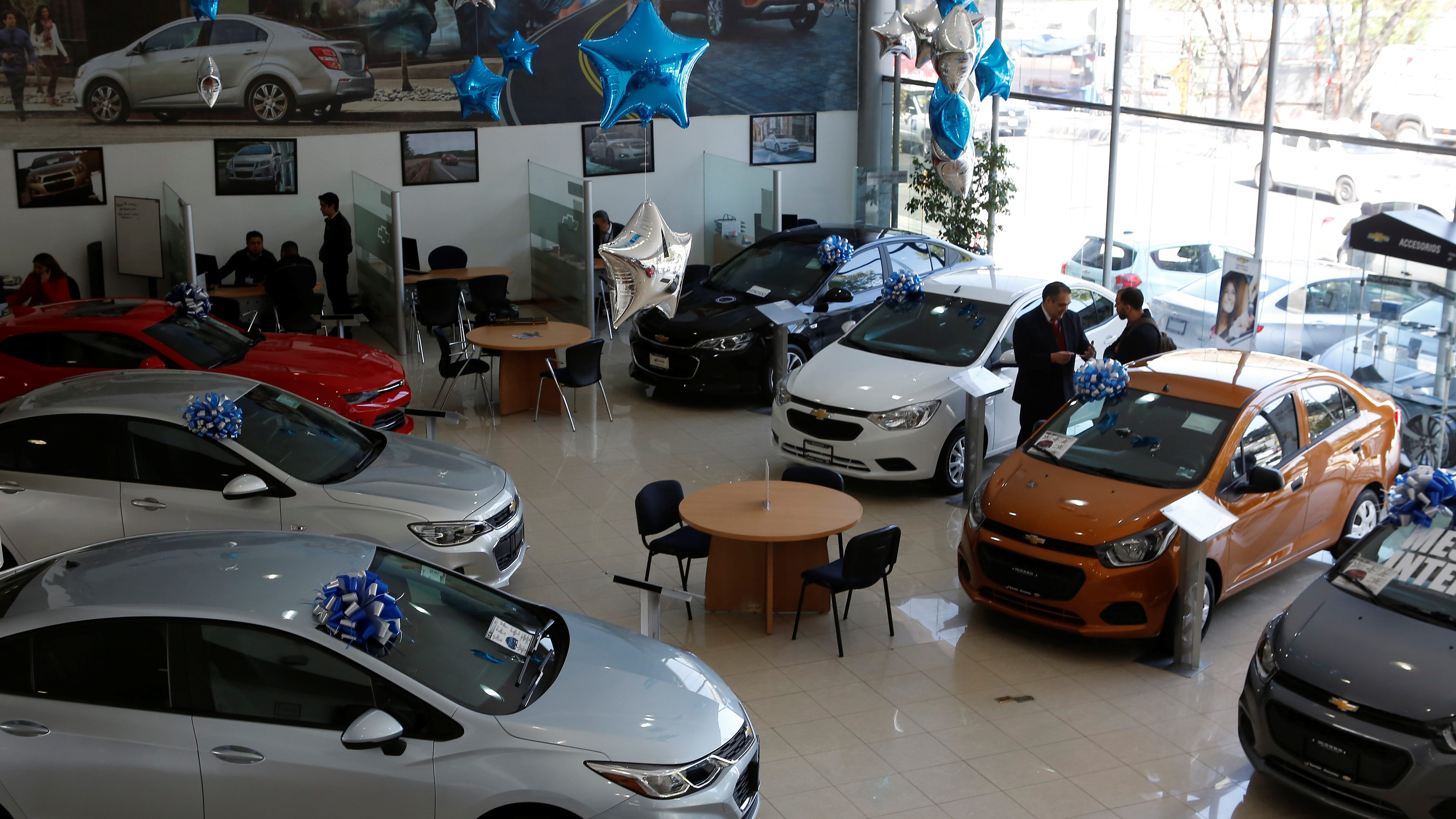

Rising new car prices are causing consumers to either sell their cars or buy used ones.
Analysts said rising new car prices would push down sales forecasts.
- These cars took much longer to sell than many of their segment rivals.
- Some car models simply didn’t provide enough value to drivers to sell as quickly as their competitors.
Some cars will sell like hotcakes in 2025, while others will be gathering dust on dealer lots. There are several reasons why a particular new car, truck, or SUV model might not sell well. These include weak value propositions, reliability issues, and increased competition.
Cars that take longer for dealers to sell can have an impact on drivers and brands. If there is no strong demand for the nameplate, it may be worth avoiding for consumers and worth noting for automakers. According to data from car buying service CarEdge, these models took the longest to go on sale in 2025.
Jeep Grand Wagoneer will be one of the worst-selling cars in 2025, according to sales data
Jeep’s Grand Wagoneer is a competitive full-size SUV offered by the American automaker in terms of specs, but it hasn’t sold quickly despite high segment rankings in publications such as U.S. News & World Report. According to CarEdge, the daily market supply (the number of days needed to sell all the vehicles in inventory) is 400 days.
The Grand Wagoneer has many strengths, but it loses out to other American full-size SUV models such as the Ford Expedition, GMC Yukon, and Chevrolet Tahoe. A big reason the Grand Wagoneer has stayed on dealer shelves for so long is its high starting price ($63,240).
Many of the best-selling full-size SUVs are slightly more affordable than the Grand Wagoneer, including the most popular full-size SUV in 2025, the Chevrolet Tahoe ($60,400). Additionally, many of the best-selling models in the Grand Wagoneer segment have longer production histories.
Subaru’s electric SUV is not a hit product
The Japanese automaker is known for its rugged SUVs, which have recently been praised for their reliability. Compared to brands like Tesla, Chevrolet, and Ford that make best-selling electric models, EVs aren’t exactly a specialty. Subaru Solterra has a market availability of 411 days.
It’s a close relative of the Toyota bZ, an electric SUV that also struggles in a new ultra-competitive segment dominated by rivals like the Tesla Model Y, Ford Mustang Mach-E, and Hyundai Ioniq 5. The latest Solterra models are cheaper than some of their major rivals, but they lack the style and practicality of their major competitors.
Subaru’s Solterra has a range of just 488 miles, and its driving dynamics are bland compared to the Model Y. Tesla’s small electric SUV has a standard range of 321 miles and is known for its practicality.
Dodge Charger EV isn’t selling as well as its major rivals
Stellantis had a tough year, posting a $2.7 billion loss in the first half, according to Forbes. Dodge and other Stellantis brands have struggled to gain a foothold in the emerging electric vehicle space. The lackluster sales of the all-electric Dodge Charger is a perfect example of why no car brand needs to go all-in on electrifying its popular nameplates. Market day supply is 446.
Dodge’s two-door Charger starts at $54,995, making it expensive compared to popular models like the Tesla Model 3 and Hyundai Ioniq 6. Aside from its high starting price, the idea of an all-electric Dodge Charger is difficult for many fans of the brand to wrap their heads around.
According to CarEdge, Volkswagen’s ID.4 will be the slowest selling car of 2025.
This year’s top three worst-selling cars are all electric, and there are competitors with more affordable starting prices and more practical driving ranges. The Volkswagen ID.4 small electric SUV got off to a strong start, and at the height of its popularity was competing with the Model Y in international sales. Currently, the ID.4 is not popular among American consumers in this segment, but the daily market supply is 471 units.
Like the Subaru Solterra, the Volkswagen ID.4 has been overshadowed by more attractive offerings from rivals Tesla, Ford, Chevrolet, Hyundai and Kia. Additionally, the current administration’s reversal of EV incentives will make purchasing electric vehicles in general less attractive by 2025.


