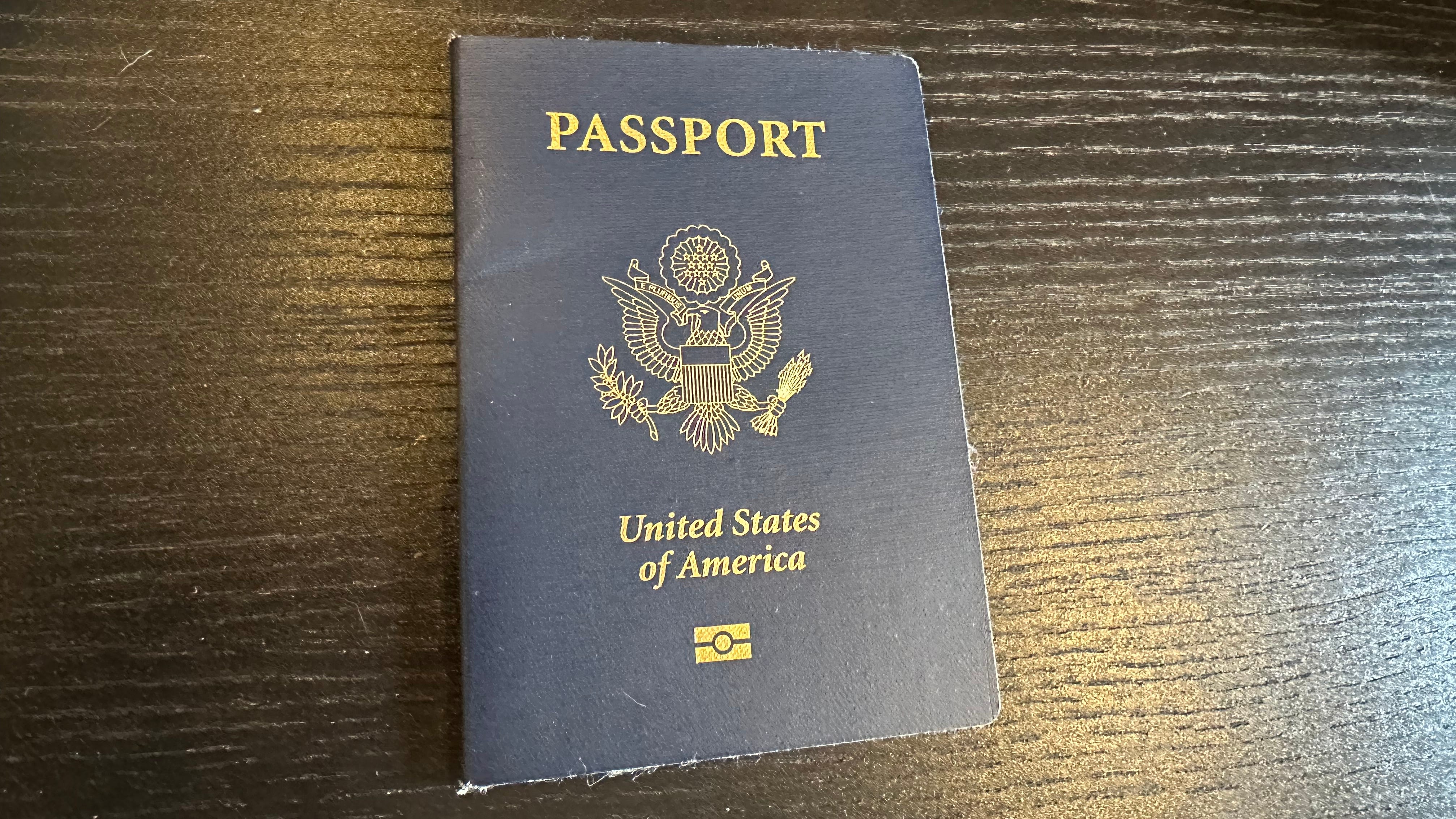

Americans are moving abroad due to rising US medical costs
Rising health care costs in the United States are driving Americans to seek affordable treatment abroad.
For decades, the “American Dream” meant upward mobility, but many young people today define it simply as achieving stability.
For them, securing housing, stable careers, health care, and education are essential steps to living well, according to a new study by the Savannah College of Art and Design’s Applied Research Studio. but, Gen Z and Millennial Americans feel their path to stability is “rockier and more precarious” than past generations, and their dreams feel “outdated or distant,” the report found.
According to the report, financial security is the most important element in young respondents’ dreams.
“Years ago, the American dream might have been to be a movie star and live in a mansion,” said Erin O’Leary, the university’s vice president for institutional effectiveness, adding that young people today “don’t even dream that high.”
Today, young people face a weak job market, rising prices that have not come down since inflation hit a 40-year high in 2022, competition from AI, deep political polarization and geopolitical tensions. They may not be the first generation to question the promise of the American Dream, but it’s no wonder they “think the American Dream is much more difficult than it was in the past,” as one Gen Z surveyed said.
Is it because living in America has become cheaper? An Investopedia analysis late last year found that it would cost $5 million over a lifetime to realize a dream.
Or is it because Americans have higher expectations for their standard of living?
“What comfort means changes over time. In our time, it means being able to own a car, having access to good health care, being able to send your kids to college, being able to pay for child care, and for parents who are working all of these jobs, being able to save for retirement,” says Dr. Elizabeth Suhay, author of the 2025 book “Debating the American Dream” and professor of government at American University. “In some ways, you don’t have to ask too much, but it’s really out of reach when you think about how expensive everything is.”
What are the biggest barriers to the American Dream for young people?
First, there are housing costs and medical costs.
Of those surveyed, 69% of young Americans said homeownership was an important aspect of their dreams, compared to 54% of the general population. But it’s also their biggest obstacle.
Griffin Creek, a 25-year-old who lives in southern Oregon and works in the IT industry, makes $20 an hour and splits the $1,500 rent on a 900-square-foot apartment with his girlfriend. He said the two of them have enough income to cover their living expenses, but they need a budget for more money.
“By making sure the math is done correctly, you can pay your bill and also go pick up $40 worth of shampoo and conditioner,” Kriek said.
He said housing costs are the biggest obstacle to realizing his dreams. The average age of first-time home buyers is now 40, so you’re wondering whether it’s a good idea to take out a 30-year mortgage that ends when you turn 70.
“Not only does that make it unattainable, but it also begs the question: Is it worth trying?” Creek said.
Across generations, a majority of respondents say health care costs are the “most important issue for the future,” but 69% of young people say access to health care is an important part of achieving the American Dream, more than the general population, and only 43% agree.
“It doesn’t mean (young people) are rejecting ambition; it still exists,” said Chandana Rao Lingampally, a Gen Z research assistant who worked on the report. “They’re saying, ‘First let me pay my rent and medical bills, and then we can talk about getting promoted.'”
Young people struggle with student loans, multiple jobs, and a tough labor market
Cheri Hall, a 66-year-old single mother in Phoenix, said she worries about the future success of her children and grandchildren because she too often has to choose between buying groceries, paying medical bills and paying utility bills.
Having spent 40 years advocating for children and volunteering, she said that while it was always difficult to meet living expenses, doing so “didn’t seem as difficult” as it does today.
Hall said her son, who lives on her property, works multiple jobs and her grandchildren, despite having advanced degrees, are unable to find opportunities in their fields in a tough job market.
“It’s tough because they have all this debt and they don’t have jobs. It used to be that if you had a good voice you could answer the phone. You can still do some things, but now a lot of things are automated.”
Of the young respondents surveyed, 10 in 10 identified student loan debt as a major barrier to achieving their dreams.
What else do young people consider part of the American Dream?
A stable career and access to a good education are more important to the definition of dreams for young people than for the average person.
While some of these generational gaps may reflect broader societal changes, they may also speak to the fact that young people are experiencing financial pressures for the first time.
“We’re targeting 18 to 29-year-olds, and they’re exactly at the age where they’re experiencing some of these systems,” O’Leary said. “When you experience those stressors for the first time, you’re going to feel elated.”
The most significant difference between young people and the general population was the importance of ‘belonging to a community’ as part of their dreams. 61% of younger respondents said it was important, compared to just 27% of adults overall.
Creek, who grew up in the 2000s, said the dream symbolized the opportunity for everyone to get a well-paying job, buy a home and live “in peace.”
“My main reference is the ‘pursuit of happiness’ passage in the Declaration of Independence,” Creek said, adding that he doesn’t know if Americans today are guaranteed that right. “It’s sad that you’ve been sold something all your childhood, and then you go out and see it in action and think, oh, we’re not really like that.”
Do people still believe you can achieve the American Dream?
The report concluded that while the dream is in a “transitional period,” its core ideas remain relevant across generations and ideologies, no matter how they are defined.
But whether you believe it can be achieved may depend on who you ask.
According to a Pew Research survey, 53% of Americans say that dream is still achievable in 2024, an additional 41% say the dream was once achievable but is now impossible, and 6% said it will never be possible. While a smaller number of Americans overall (11%) felt that that dream was never realistic, Black Americans were about twice as likely to say so compared to other groups.
People’s own identities and circumstances seem to shape how they view their dreams. While a majority of adults over 50 said they still believed it was within reach, that number dropped to 42% of those under 50.
High-income Americans are more optimistic than those struggling to make ends meet, with 64% of high-income people saying the dream still exists, compared to just 39% of low-income adults.
If you ask Hall, she’ll tell you she’s living her version of the American dream. It’s different from the stories she heard when she was little. She doesn’t own a “nice house” or buy a new car every two years. But she redefined it.
“Life isn’t easy, and it shouldn’t be. We should work, but we shouldn’t work ourselves to death,” Hall said. “One of the things we’ve learned as we get older is that we’re working, working, working, working, and we’re supposed to be in our golden years, but we’re so tired and weary. … We’re still looking for ways to work and generate money, because the things we thought we could live on, we just can’t do.”
Still, Hall said she has the freedom to go wherever she wants and do whatever she wants, even though she “owns nothing.” it represents a dream for her.
“I have people who love me. I have great support. I have a lot of kids around me. We cook together. I teach them,” Hall said. “I’m so happy. I have everything in the world. What do you need?”
Contact Rachel Barber at rbarber@usatoday.com and follow her at X @rachelbarber_


