Develop financial literacy and a framework for life in your children by teaching them that money is a vehicle for prosperity, purposeful earning, intentional spending, joyful giving, and values-based investing.
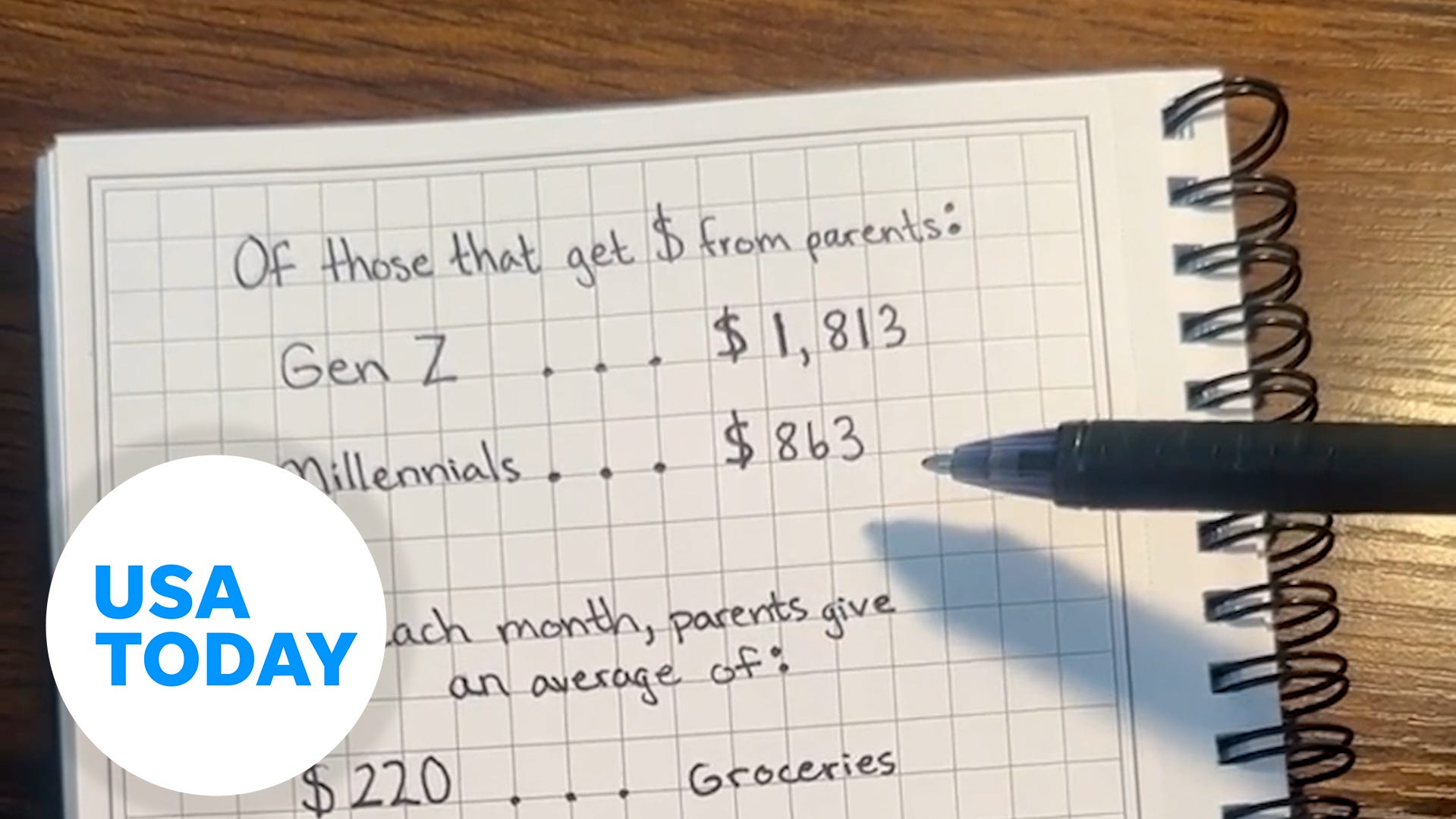

How many parents are providing financial support to their Millennial and Gen Z children?
Many parents still support their adult children. Here’s how financial aid is actually common.
Recent research shows that nearly 9 out of 10 parents want their children to be financially independent. However, fewer than two in five people have discussed their finances with their families, and around half still feel that they are financially supporting their adult children.
We constantly worry about our children’s futures: their education, careers, and mental health. But in one of the most important areas of life, we often leave ourselves unprepared. As a result, we are raising a generation with little understanding of how to build a financial mindset for independence and a prosperous adult life.
The first mindset children need is to understand that money is a means, not an end. Children today are growing up in a culture of comparison, status, and endless consumption. Social media surrounds them with selective displays of wealth. Advertisers bombard us with the message that happiness is something you can buy. Without intervention, children absorb the belief that the goal of money is simply to make more money.
But when money becomes an objective, the pursuit never ends. Children who grow up believing that money is a measure of value often become adults who are always dissatisfied, always reaching for a higher income, a bigger house, a fancier car, and never reaching the elusive state of “good enough.”
A healthier mindset starts with teaching children that money has value because it allows them to acquire skills, enjoy meaningful experiences, help others, and build a life of purpose.
You also need to understand the value of earning income through meaningful work. Earning is not just about saving money, it is about developing competence, confidence and dignity. When children understand that money is earned this way, they begin to value effort, responsibility, and independence. At a time when only about 30% of Americans are “engaged” at work, teaching children the value of earning with purpose is essential to both their continued commitment to and enjoyment of their profession.
Teach your children how to use money wisely and the power of giving.
The second mindset children need is to spend money wisely. Expenses are not inherently negative. It’s how we meet our needs, express our values, and enjoy life. But kids need to understand the difference between spending that enriches their lives and spending that simply numbs or distracts them.
The endless pursuit of more gadgets, more clothes, more entertainment, and more rarely provides lasting satisfaction. But investing in experiences, relationships, learning, and health can deepen your quality of life.
This means teaching children the importance of discernment. Children who learn how to use money wisely early on are less likely to fall into debt, comparison, and impulsive spending later in life.
Third, children must learn the joy and power of giving. Giving is one of the most countercultural ideas in a society obsessed with accumulation. But research consistently shows that generosity increases happiness, strengthens relationships, and increases psychological resilience.
Teaching children to share, whether it’s part of their allowance, time with neighbors, or help with classmates, instills an understanding that money comes with opportunities as well as responsibilities. Endowed children grow into adults who feel empowered, not insecure, and who understand that contribution, not consumption, is the true measure of a meaningful life.
Finally, children can learn long-term thinking through values-based investing. In a world of instant gratification, children must learn patience, discipline, and foresight. Investing is not primarily about technical knowledge. It’s about character. When children learn that money can grow with wise decisions, time, and consistency, they develop a sense of responsibility. They learn that small choices become complicated.
You will also begin to see wisely managed investment funds as a way to shape the world around you and express positive values for steady financial growth.
Taken together, these ideas (money as a means to prosperity, earning with purpose, intentional spending, joyful giving, and values-based investing) can give children not only financial literacy but also a framework for life.
We don’t need to raise rich children. We need to raise smart children. Children who understand that money is not the definition of money, but a tool to thrive. Children who are about to become adults are being prepared to not only succeed financially, but to live prosperously.
That is the true gift and the most precious legacy a parent can give.
John Coleman is the author of Good Money: Six Steps to Building a Financial Life with Purpose, which will be published March 10th. Follow him on Substack at https://onPurpose.substack.com.


