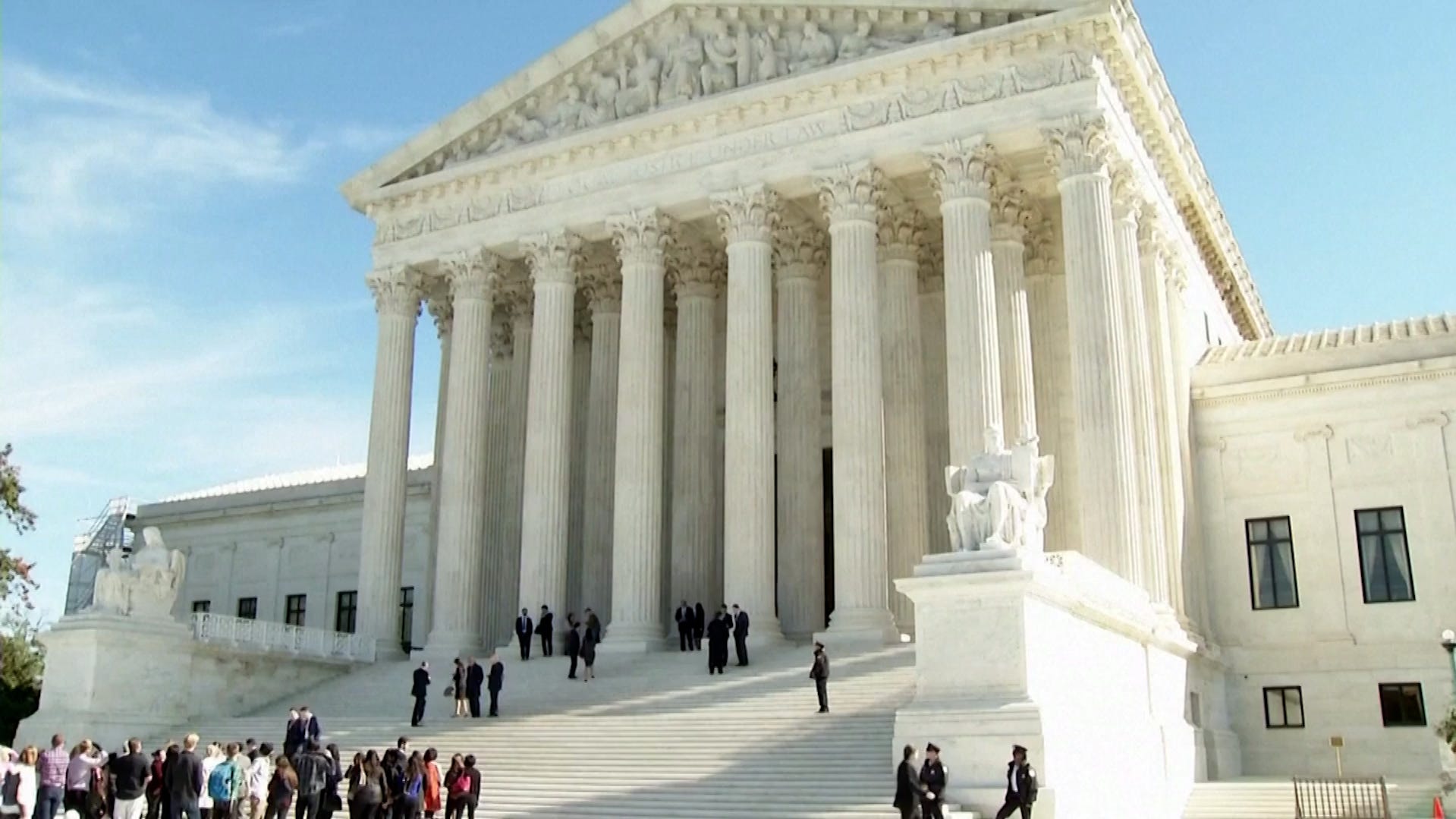

Supreme Court allows President Trump to end Temporary Protected Status Program
The Supreme Court said the Trump administration could revoke the temporary protected status of more than 300,000 Venezuelan immigrants.
WASHINGTON – The Supreme Court will decide whether the Trump administration can deport immigrants from countries with dangerous living conditions, agreeing to hear a case involving Syrians and Haitians that also affects hundreds of thousands of immigrants from other countries.
The court announced March 16 that it will hear oral arguments in April on the administration’s efforts to lift deportation protections for about 6,100 Syrians and 350,000 Haitians living in the United States.
Lower courts have blocked the government from immediately stripping protections from migrants who have challenged the move.
The Supreme Court left those interim lower court orders in place while it determines whether the Trump administration’s actions were legal.
A federal district judge ruled in February that the government’s actions against Haitians were likely motivated in part by “hostility toward nonwhite immigrants.”
The Justice Department asked the justices to intervene, arguing that lower courts had “consistently ignored” previous Supreme Court decisions on ending protections for Venezuelans.
The Department of Homeland Security has moved to end protections for immigrants from several countries who were allowed to stay in the United States because of natural disasters, political instability or other dangerous conditions in their home countries. The Temporary Protected Status program does not include a path to citizenship.
The Supreme Court previously upheld the regime’s decision to end a humanitarian aid program for 300,000 Venezuelan migrants, but the program’s end is being challenged in court.
Despite the decision, judges have blocked the government from lifting deportation protections for Syrians and Haitians in litigation.
The New York-based U.S. Court of Appeals for the Second Circuit said the Supreme Court’s decision against the Venezuelans was irrelevant to the Syrians’ challenge because their immigration situations were different.
But the Justice Department argues that the law creating the Temporary Protected Status Program for immigrants prohibits courts from weighing in on determining who is eligible.
“The TPS Act is clear,” Attorney General John Sauer told the Supreme Court in a request for emergency intervention.
The Trump administration also said the Temporary Protected Status program was being used as a “de facto amnesty program” and that many immigrants no longer deserved aid.
Deportation protection was first extended to Syrians in 2012 following the outbreak of civil war that led to the ouster of President Bashar al-Assad in 2024.
In 2025, the Trump administration said the country was moving toward “stable institutional governance” and Syrians would no longer be eligible to remain in the United States.
Syrians contest this determination, arguing that their country is still unstable and poses increased security risks, as “a military conflict in Iran could spark a full-scale regional war.”
Despite continued violence in Haiti, the administration determined in November that there were no “extraordinary and temporary circumstances” in the Caribbean country that would prevent Haitians from returning.
Haitian lawyers challenging the dismissal called Haiti “a country in turmoil.”
They told the Supreme Court that “rape, kidnapping and murder are rampant while food, shelter and medical care are in short supply.”
More than 180 former federal and state judges have filed briefs supporting the appeals court’s decision to maintain deportation protections for Syrians for now.
The justices noted that the orders were issued on an emergency basis without any written explanation, pushing back on the administration’s argument that the appeals court had “ignored” previous Supreme Court decisions.
“An unwarranted interim order from this court does not establish the law of a lower court in another case,” the retired judges told the justices.


