The gridlock at the Capitol has pushed airport security wait times to historic highs.
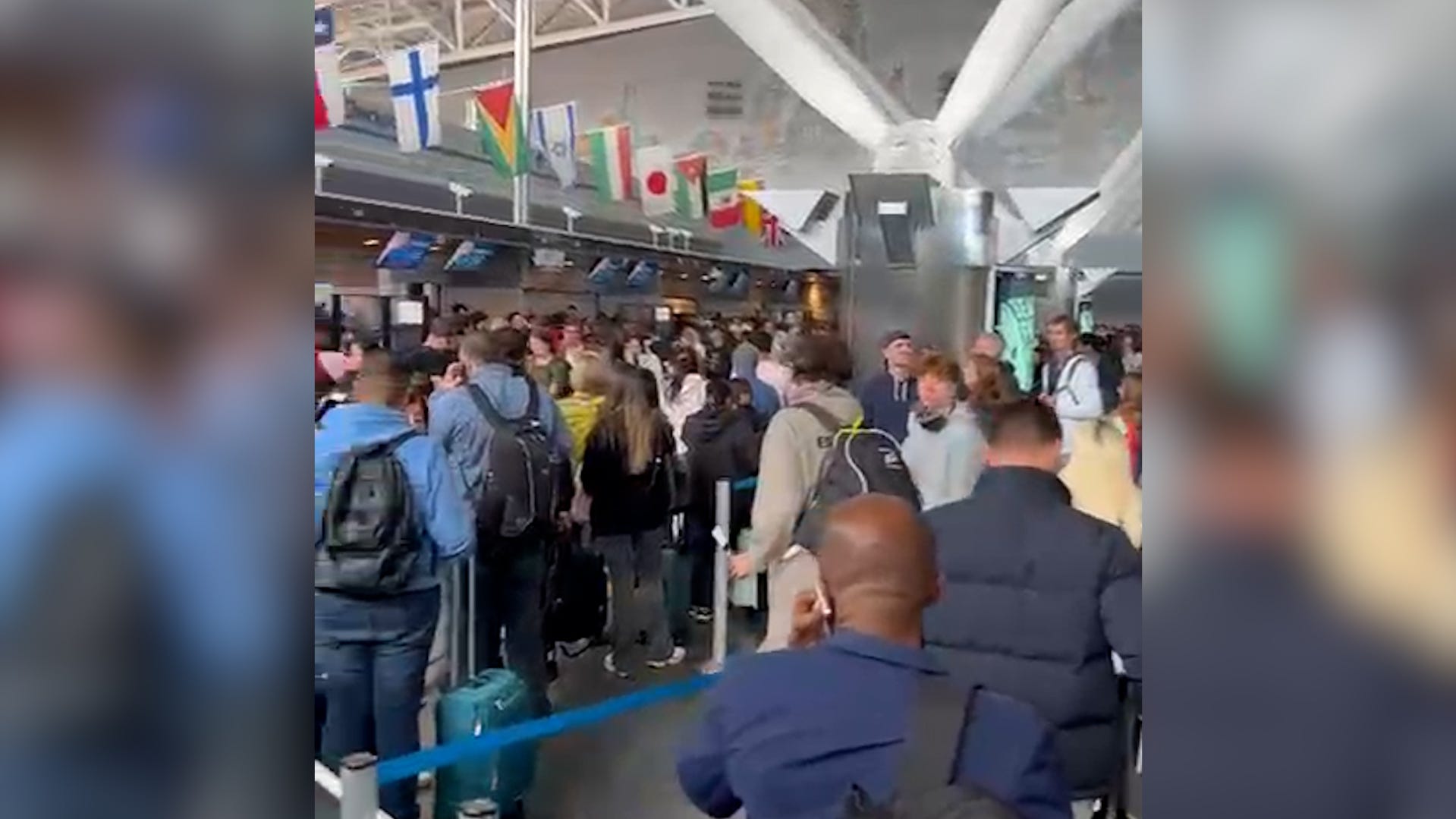

See what long lines at TSA look like
As TSA lines grow longer at airports across the country, crowds increase and travelers share their experiences.
WASHINGTON – With no end in sight to the intractable Department of Homeland Security shutdown, President Donald Trump on Friday, March 27, declared an “unprecedented emergency” and signed an order directing federal funds to pay airport security workers.
According to the text of the executive order, the White House will “use funds reasonably and logically related to TSA operations to provide TSA employees with compensation and benefits that would have accrued to TSA employees but for the Democratic-led DHS shutdown.”
Homeland Security Secretary Mark Wayne Mullin began the process of paying TSA employees as soon as President Trump signed the memo, the agency said in a statement to USA TODAY. Unlike past shutdowns, TSA employees will not be left without pay after the crisis is finally resolved, and should begin receiving paychecks as early as March 30.
The executive action, which immediately raised legal questions, was the latest move by the White House in Trump’s second term to completely bypass Congress’s funding power amid a bitter political deadlock. This comes after House Republicans rejected a deal unanimously passed by the Senate that would have provided funding for all but immigration enforcement operations from DHS.
The rejection of the deal, which was reached in the early morning hours, highlighted the rift between House and Senate Republicans who have been working with Democrats through the night to try to end the crisis ahead of a scheduled two-week legislative recess.
“This ploy that took place last night was a joke,” Republican House Speaker Mike Johnson told reporters on March 27.
President Trump said in a Fox News interview Friday that the Senate compromise was “not good.” He appealed to Senate Republicans who assumed the president would ultimately support the deal, saying instead they needed to eliminate the Senate’s 60-vote threshold, known as the filibuster.
“What they need to do now is end the filibuster,” he said. “But there are three or four Republicans out there who aren’t doing the right thing.”
TSA employees anxious amid uncertainty
TSA administrators across the country are busy completing timecards so employees can receive their back pay as early as next week. However, it was not immediately clear whether workers at the site would be paid in the future.
“We’ll see next week if this actually hits our bank accounts,” said Angela Grana, regional vice president of the Colorado-based union that represents TSA employees at 38 airports across the Rocky Mountains. “If this is so easy, why haven’t we done it before? We’re not stupid. We’re excited to get something out of it, but are we going to do it again in May?”
In a message to employees, TSA leaders thanked them for their efforts, saying, “We recognize the challenges you have faced and appreciate your dedication, perseverance, and dedication to our work and mission to keep the traveling public safe.”
Grana said he is waiting to see how many TSA agents will be at the airport, where long lines are forming. TSA employees who kept their jobs during last year’s 43-day shutdown were given $10,000 bonuses, and Grana said he hopes the same thing can happen again to help employees who have had late fees levied on credit cards they used to make ends meet.
“I want that, but I don’t want it to seem like we’re begging for something we don’t deserve,” she said.


