The US bombed six ships near Venezuela, and President Donald Trump gave the CIA the green light to operate inside the country. Why is this happening?
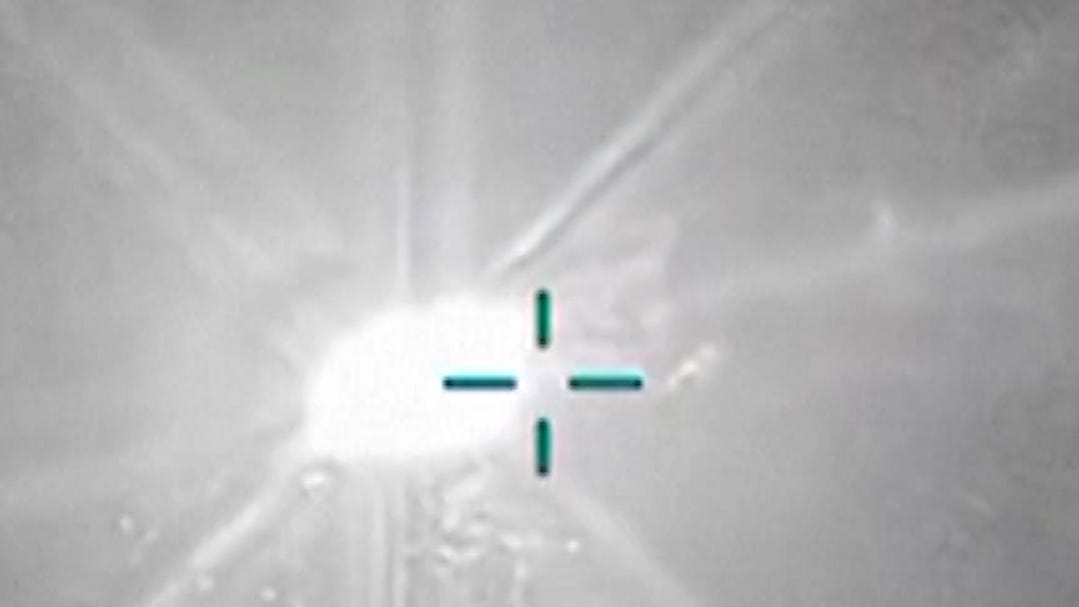

President Trump says airstrike killed six “narco-terrorists”
President Trump says U.S. forces have killed six “narco-terrorists” in a boat attack off the coast of Venezuela.
WASHINGTON – The Trump administration is poised to significantly raise the stakes in its feud with the government of Venezuelan President Nicolas Maduro, which it accuses of supporting drug trafficking and collusion with drug cartels.
President Donald Trump’s surprising announcement on October 15 that a land attack on Venezuela could soon follow six attacks on Venezuelan fishing boats that left more than 20 people dead, raising questions about the cause of Trump’s sudden attack and where it will lead.
President Trump said on October 17 that Maduro is already giving away Venezuela’s natural resources, adding, “You know why? Because he doesn’t want to do it with the United States.”
The president also acknowledged at the same press conference that the CIA also has permission from President Trump to conduct covert operations inside Venezuela.
“There are actually two reasons why I approved it,” Trump told reporters. “Number one, they emptied prisons and entered the United States…they came across the border. The other thing is drugs.”
On October 16, news broke that General Alvin Holsey, commander of the US military in Latin and South America, would retire after just one year in office.
Halsey has not publicly stated the reason for his resignation. According to reports, he expressed concern over ongoing boat strikes in the Caribbean.
President Trump and some allies have long harbored animosity toward Venezuela’s communist government and fantasized about overthrowing it. But it is unclear whether that is President Trump’s goal in starting a military conflict with the oil-rich South American country.
Who is Nicolas Maduro and why does President Trump hate him?
Maduro has been a target of American conservatives for decades. A socialist authoritarian with a history of human rights abuses, he took office in 2013 after winning election as the handpicked successor to strongman Hugo Chávez. Maduro and Chavez have been accused by international observers of rigging their election victory.
In the face of U.S. sanctions, Maduro’s Venezuela expanded diplomatic and trade ties with U.S. adversaries such as Russia, Iran and China, further angering Washington.
Conservative Cuban Americans, who fled Cuba after the revolution led by communist leader Fidel Castro, have long harbored particular resentment toward Chavez and his successors because of their government’s close ties to Cuba.
President Trump: ‘We’re not talking about’ overthrowing Maduro
Asked by reporters in July if he wanted regime change in Venezuela, Trump said: “Well, we haven’t talked about that.”
However, President Trump and his aides discussed domestic military action during his first term.
President Trump reportedly asked his advisers about a military invasion of Venezuela in 2019 during a meeting on sanctions against President Maduro. Two years later, Mike Pompeo, then President Trump’s secretary of state, said the United States would begin military action in Venezuela “if necessary.”
In 2020, the Justice Department indicted Maduro and 14 other Venezuelan officials on charges of “narcoterrorism, corruption” and drug trafficking, saying they “intended to flood the United States with cocaine.”
President Trump and most people in Washington supported Juan Guaido, the Venezuelan opposition leader who declared himself president of Venezuela and staged a coup attempt in 2019.
Guaido appeared in President Trump’s State of the Union address that year and received a standing ovation. After his attempt to seize power failed, Mr. Guaidó fled to the United States and became a professor at a university in Florida.
President Trump accuses Maduro of collusion with cartels
President Trump has said his revenge against Maduro’s regime hinges on its alleged ties to drug cartels such as Torren de Aragua and Cartel de los Soles. The name Cartel de los Soles comes from the sun patch on the sleeves of some Venezuelan military uniforms.
However, this link has not been proven, and Venezuelan drugs make up a small portion of the drugs trafficked to the United States.
In a confidential report released in April, intelligence analysts assessed that the Maduro government was not working directly with Torren de Aragua. In response, the Trump administration’s Director of National Intelligence, Tulsi Gabbard, fired both authors of the report.
The Drug Enforcement Administration says a small amount of the fentanyl trafficked into the United States comes from Venezuela, but most of it can be traced to Mexican cartels. According to U.S. drug data, less than 10% of cocaine destined for the United States is trafficked through the Eastern Caribbean off the coast of Venezuela.
What about oil?
Venezuela boasts the world’s largest oil reserves, and President Trump has not forgotten this fact.
President Trump said in 2023, “When I left, Venezuela was ready to collapse. We would have occupied it, we would have gotten all the oil, it would have been right next door.”
The New York Times reported last week that President Maduro threatened to give U.S. companies preferential access to Venezuelan oil and threaten Trump with cutting oil sales to China in favor of the United States, but to no avail.
Oil exports from Venezuela reached their highest level in five years this month after the Trump administration in July reversed a February move that cut off U.S. oil giant Chevron’s operations in the country. The terms of that waiver remain confidential.
Deadly attack and military buildup against Venezuela
Since early September, the Pentagon has launched five known attacks on boats in international waters off the coast of Venezuela, killing at least 27 people.
The Trump administration has said the boat was carrying drugs and labeled the passengers “narco-terrorists,” but has not yet produced evidence of either allegation. Questions also arose about the identity of the dead after Colombian President Gustavo Petro said earlier this month that a Colombian vessel had been targeted in an attack.
Meanwhile, the Pentagon has deployed significant military forces to the region, including eight naval ships, an F-35 fighter jet, a special operations ship, and 10,000 troops.
Is it legal for President Trump to attack Venezuela?
The airstrike was a shocking departure from US policy on maritime drug trafficking and sparked alarm and criticism of its legality.
The Coast Guard has been interdicting, boarding and arresting vessels carrying drugs for decades.
Secretary of State Marco Rubio said the ship could have been intercepted in the first place, but “by order of the president, we blew it up.”
In late September, the Pentagon notified some members of Congress that President Trump had determined that the United States was in a “non-international armed conflict” with drug cartels. “The President has directed the Department of the Army to conduct operations against them in accordance with the laws of armed conflict,” the notice said.
Critics and legal experts say this is not a use of military force authorized by Congress. Last week, Senate Democrats, joined by two Republicans, tried unsuccessfully to pass a resolution to halt air strikes, accusing President Trump of illegally using military force without permission from lawmakers.
President Maduro attempts diplomatic letter and requests assistance from UN
As pressure mounts, President Maduro is rushing to ramp up military preparedness while offering a diplomatic olive branch to President Trump.
“I hope that together we can defeat the falsehoods that have tainted our relationship,” he wrote in a letter to Trump last month.
Trump was unfazed. A few weeks later, the New York Times reported that the president called off diplomatic talks with Maduro led by special envoy Richard Grenell.
President Maduro then called on the United Nations Security Council to declare the boat attack illegal and uphold Venezuela’s sovereignty, according to Reuters.
President Maduro’s fuel immigration surge increases poverty and immigration
During his tenure as president of Venezuela, Maduro has led the arrest of thousands of political opponents, journalists, and human rights defenders. More than half of the country lives in poverty and 40% of the population experiences at least moderate food insecurity.
The situation has led to a large-scale flight of Venezuelans, many seeking refuge in the United States, and has led to an even greater influx of migrants to the southern border in recent years. In 2023, approximately 770,000 Venezuelan immigrants were living in the United States.
The Trump administration ended Temporary Protected Status for Venezuelans in the United States, lifting legal protections for approximately 350,000 people and allowing them to be immediately deported. The move was challenged in court, but the Supreme Court sided with Trump in a ruling earlier this month.


