Pharmaceutical companies that promise to shift production to the United States will be subject to a 20% tariff, but if they also agree to lower prices, the tariff will be reduced to zero.
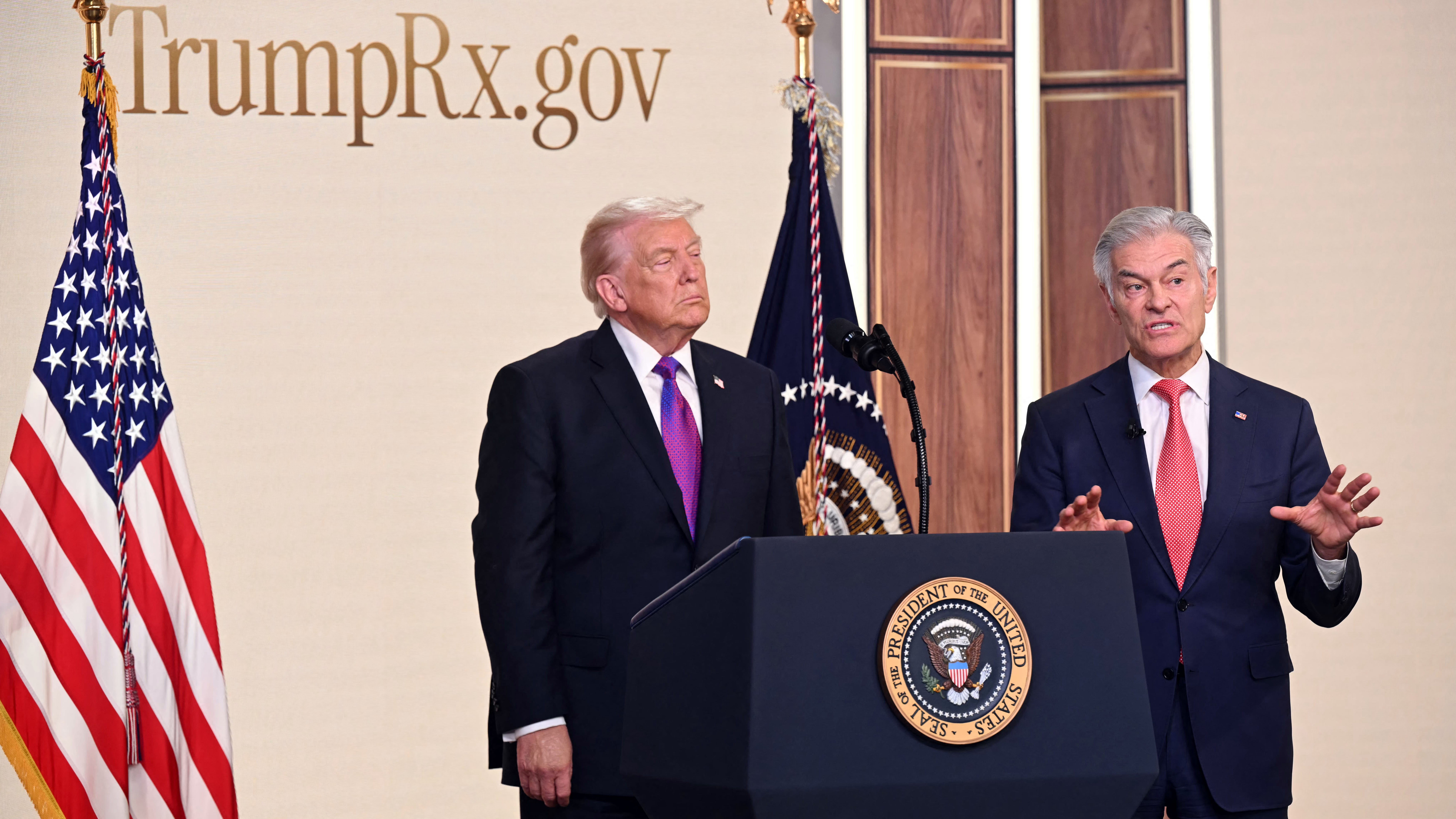

President Trump officially launches prescription drug website “TrumpRx”
President Donald Trump has officially launched TrumpRx, a new government website aimed at helping Americans buy medicines more cheaply.
President Donald Trump has ordered a 100% tariff on branded drugs made overseas as his administration ramps up efforts to encourage drug companies to manufacture in the United States.
President Trump threatened to impose tariffs last year, but has since worked to negotiate deals with drug companies to lower prices and force the U.S. to produce medicines.
Several companies have agreed to such deals. According to the order, drug companies that commit to shifting production to the U.S. will be subject to a 20% tariff during the transition, but will be exempted if they also agree to reduce prices to the so-called “most-favored-nation” level paid by other countries. If the drug is not produced in the U.S. within four years, full tariffs will be imposed.
The European Union, Japan, South Korea, Switzerland and the United Kingdom are exempt from tariffs due to existing trade agreements with the United States.
A White House official said the tariffs would help ensure the United States does not benefit from other countries for life-saving drugs. The tariffs will take effect on July 31st for some companies and September 29th for others, depending on the size of the company.
“The United States is highly dependent on imports, and disruptions to global supply chains due to geopolitical or economic turmoil could limit America’s access to life-saving medicines,” the executive order signed by President Trump on April 2 said, adding that approximately 53% of patented medicines distributed in the United States are manufactured overseas.
However, experts say higher tariffs could lead to higher drug prices.
Approximately 90% of drug prescriptions in the United States are generic drugs. The 100% tariff applies to branded drugs that still have patents, not generic drugs.
In enacting the drug tax, President Trump is using tariff authority that was unaffected by the Supreme Court’s decision that invalidated the use of emergency powers to enact blanket tariffs.
The new tax on pharmaceuticals was introduced on the anniversary of President Trump launching an aggressive tariff program last year. Since then, it has suffered setbacks in the courts and faced strong criticism from Democrats and some Republicans concerned about soaring prices.
The Democratic National Committee said on April 2 that President Trump is damaging the economy with a “reckless trade war.”
The Trump administration was undaunted by polls showing tariffs are unpopular. In an April 2 press release, the White House praised President Trump’s trade policies, saying they will “make our country rich, strong, and respected again.”
“This is just the beginning of the President’s transformation of global trade…Americans can look forward to the best yet,” White House Press Secretary Khush Desai said in a statement.
On April 2, President Trump also ordered changes to tariffs on foreign steel, aluminum and copper, which White House officials say are aimed at preventing steel exporters from other countries from undervaluing the steel they export to the United States, thereby lowering their tariff costs. The President also revised tariffs on metals in finished products, eliminating tariffs on products with less than 15% metal content and changing the way tariffs are calculated on products with high metal content.
President Trump has been pressuring drug companies to lower prices and invest in U.S. production.
The president held a White House event in December to announce that nine companies had agreed to lower prices: Amgen, Boehringer Ingelheim, Bristol-Myers Squibb, Genentech, Gilead, GSK, Merck, Novartis, and Sanofi. In February, the administration launched TrumpRx, a new website aimed at helping Americans buy medicines at lower prices.
White House officials said pharmaceutical companies are also committed to investing hundreds of billions of dollars in the United States.
This story has been updated to add new information.
Contributor: Ken Alltucker


