
How is the US eating up President Trump’s tariffs?
Early signs indicate that U.S. businesses and consumers are bearing the brunt of the country’s new import tariffs.
WASHINGTON – President Donald Trump announced on Oct. 23 that all trade talks with Canada have been halted following what he called a fraudulent ad in which former President Ronald Reagan spoke negatively about tariffs.
“In light of their egregious actions, all trade negotiations with Canada are hereby terminated,” President Trump posted on Truth Social.
Ontario Premier Doug Ford said earlier this week that an ad containing anti-tariff messages had been brought to President Trump’s attention. The ad showed Republican President Ronald Reagan criticizing tariffs on foreign goods, saying they would lead to job losses and trade wars.
“I heard the president heard our ad, and I’m sure he wasn’t too happy about it,” Ford said on October 23.
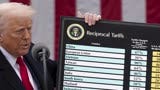
President Trump has used tariffs as leverage against many countries around the world.
His trade war has raised U.S. tariffs to the highest levels since the 1930s, and he regularly threatens additional tariffs, raising concerns among businesses and economists. Canadian Prime Minister Mark Carney told reporters on October 23 that Canada will not allow the United States unfair access to its market if talks on various trade deals with the United States fail.
President Trump imposed tariffs on Canadian steel, aluminum and autos earlier this year, and Ottawa followed suit. The two countries have been in talks for several weeks about a possible agreement in the steel and aluminum sectors.
Next year, the United States, Canada and Mexico will review the 2020 Continental Free Trade Agreement.
(Reporting by Kanishka Singh in Washington; Editing by Christian Schmollinger and Thomas Derpinhaus)


