The White House announced that President Trump signed an executive order exempting certain agricultural products from the reciprocal tariffs imposed on April 2.
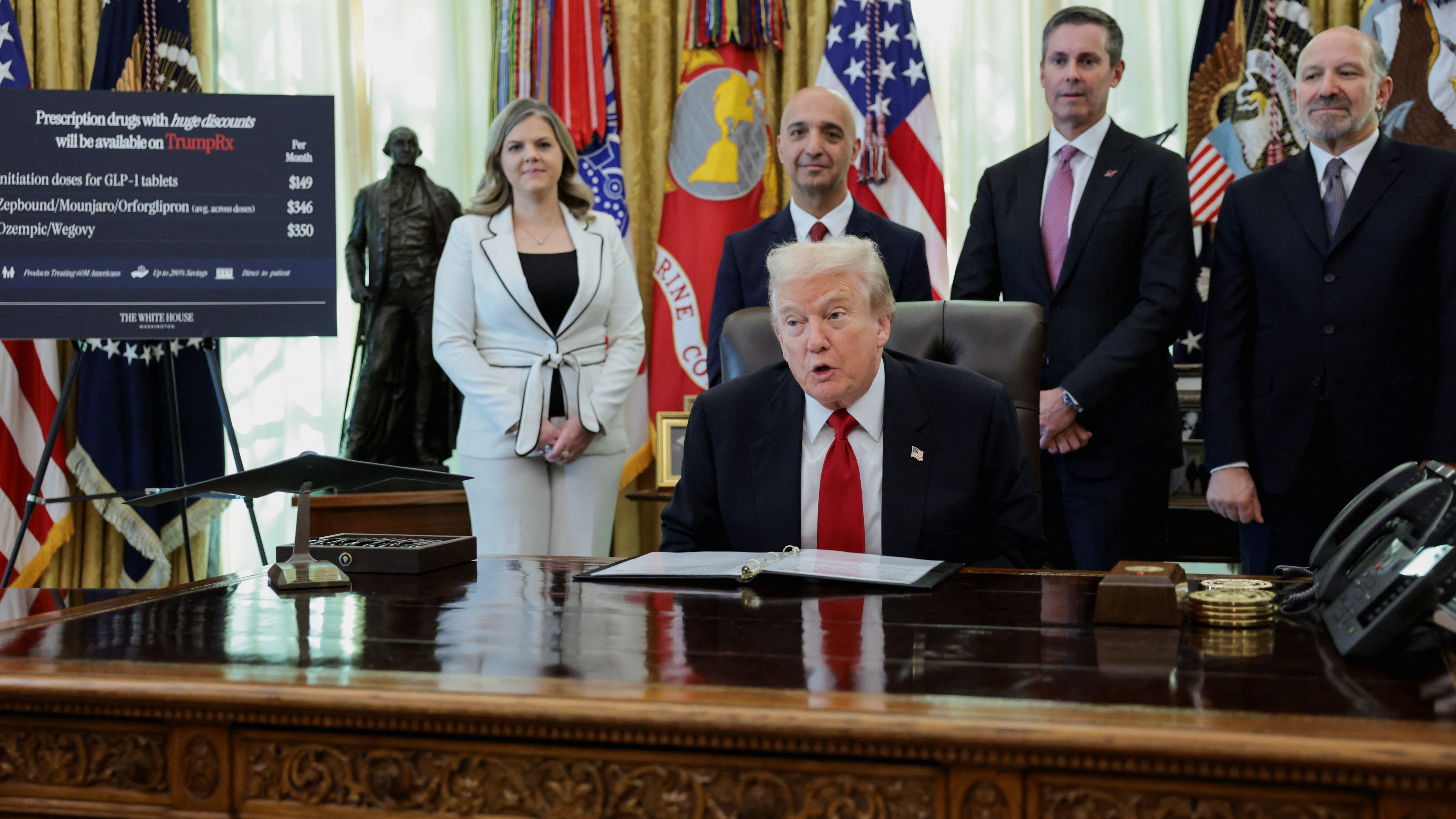

President Trump prepares ‘game two plan’ in case Supreme Court invalidates tariffs
President Trump said he would develop a “game two plan” to implement tariff policy in case the Supreme Court rules the tariffs invalid.
President Donald Trump has exempted a wide range of agricultural products from reciprocal tariffs amid concerns about consumer prices, lowering taxes on products such as beef, coffee, chocolate, bananas, tomatoes and oranges as affordability becomes a political issue.
The White House announced on November 14 that President Trump signed an executive order exempting certain products from the blanket tariffs imposed on many countries on April 2. The order is part of a larger push by President Trump and his administration to address Americans’ growing concerns about persistently high food prices.
“The Trump Administration is committed to pursuing an agile, nuanced, and multifaceted strategy on trade and tariffs,” said White House Press Secretary Khush Desai.
Other products that will be exempt from reciprocal tariffs include tea, tropical fruits and fruit juices, spices and additional fertilizers, according to a White House fact sheet.
The move to lower prices at grocery stores comes after Democrats won big victories in gubernatorial races in New Jersey and Virginia, and in New York’s mayoral race. Democrats made the cost of living issue a central focus in this month’s election.
This is a sharp reversal for President Trump, who has long maintained that import tariffs do not drive inflation, even though economists say they raise consumer costs.
Grocery store food prices rose 0.6% from July to August, the fastest monthly increase in food prices since October 2022, according to the U.S. Bureau of Labor Statistics. The overall inflation rate reached 3% in September, up slightly from the previous month.
President Trump upended the global trading system by imposing a 10% basic tariff on imports from each country and additional specific tariffs that vary by country.
The Nov. 14 executive order followed the Framework Trade Agreement announced Nov. 13, which would eliminate tariffs on certain food and other items imported from Argentina, Ecuador, Guatemala, and El Salvador if the deal is finalized. U.S. officials are eyeing additional agreements by the end of the year.
President Trump has focused squarely on affordability in recent days, insisting that higher costs were caused by policies enacted by former President Joe Biden, not his own tariff policies.
“We, not the Democrats, have done a great job on affordability,” Trump told reporters in the Oval Office on Nov. 6. “But they said we just lost the election because of affordability.”
Trump has floated a number of ideas since his election to help Americans financially, including 50-year home loans and $2,000 customs dividend checks.
Contributor: Betty Lin-Fisher, Reuters


