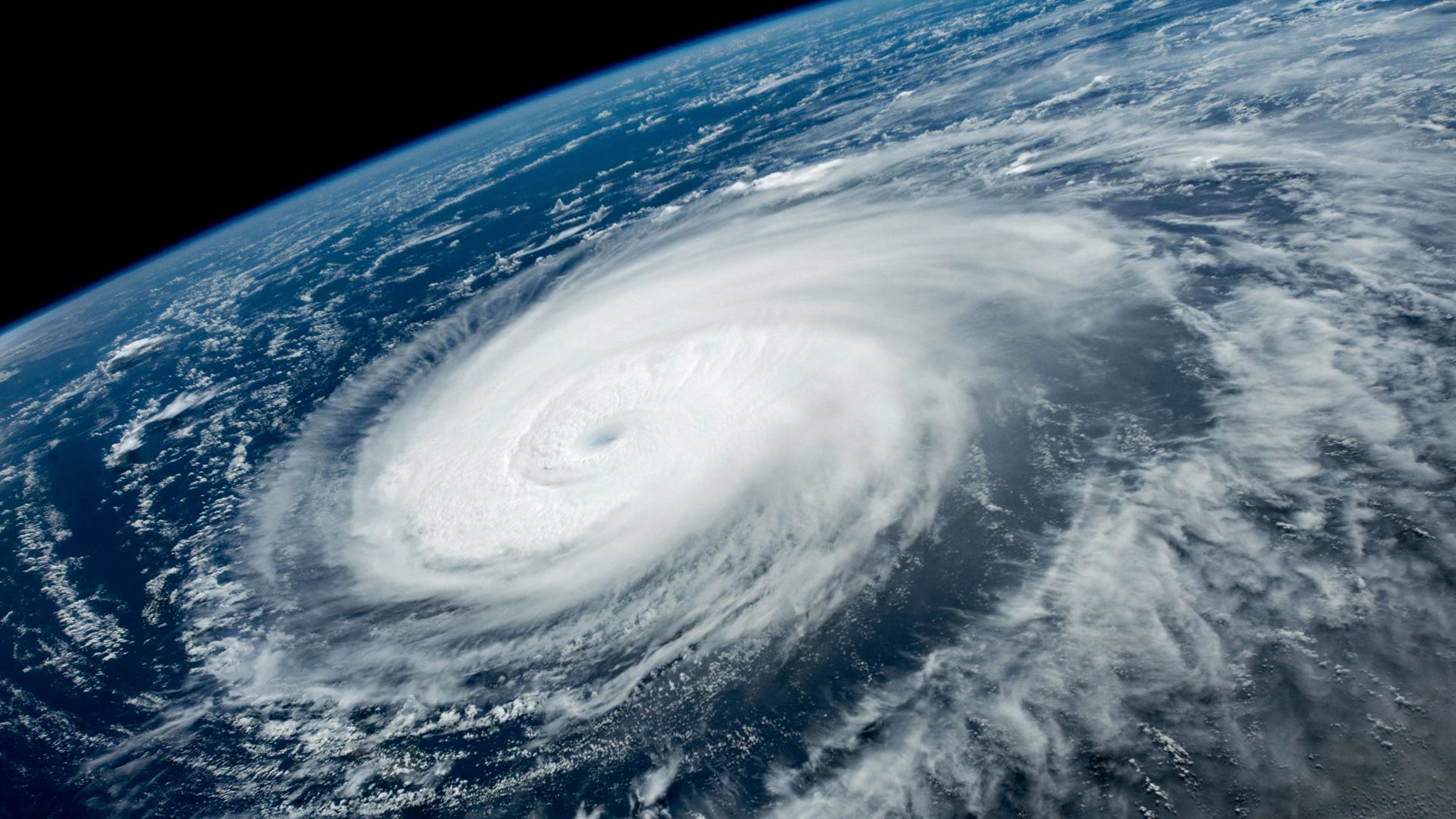

NOAA, FEMA cuts will impact hurricane season, experts warn
The Trump administration’s budget cuts to NOAA and FEMA will negatively impact the U.S. hurricane response, experts have warned.
For months, the Trump administration has pushed to cut down on bureaucracy and help states protect the environment.
There’s just one problem. They may not be able to do it.
After adjusting for inflation, more than half of the nation’s states have cut their environmental budgets over the past 15 years, according to a report released Dec. 10 by the Environmental Conservation Project. Many more states have cut staff.
This could mean fewer inspectors at nearby power plants to protect the air you breathe. Increased response time to chemical spills. Your city has weak enforcement of drinking water permits. A patchwork of protections where some people live with strong environmental protections while others are left vulnerable.
“This actually means more American communities are at risk of exposure to industrial pollution,” Jen Duggan, the project’s executive director, told USA TODAY.
Just as federal environmental regulations have reached historic lows, many states are also making cuts, according to the Environmental Conservation Project. The nonprofit organization was founded by the former director of the U.S. Environmental Protection Agency’s Civil Enforcement Division and aims to strengthen environmental protection.
The group’s report found that even in states where the industry is growing rapidly, budgets are shrinking. For example, in Texas, by far the largest oil-producing state and the second most populous state, the Environmental Agency’s budget was cut by a third.
In fiscal year 2025, the Texas Commission on Environmental Quality received more than 9,000 complaints related to odor and water quality concerns. The agency responded to just 528 cases in five days, according to its latest enforcement report.
In Louisiana, a region with a high concentration of fossil fuel and petrochemical plants and disproportionately high cancer rates, government agency budgets were cut by a quarter. In the state, the state Department of Environmental Quality’s expedited processing program allows industry applicants to pay overtime for employees who process applications, which some advocates say creates a conflict of interest.
Louisiana Department of Environmental Quality spokeswoman Megan Molter said in a statement that the Louisiana Department of Environmental Quality is “committed to the full protection of our environment.”
“To ensure we deliver on our core mission, we will continue to prioritize efficiency, modernization and strategic resource management,” Molter said.
North Carolina is a top pig producing state. In 2022 alone, 3.2 million tons of fertilizer will be generated, causing air and water pollution. The budget has also decreased.
After Hurricane Florence made landfall in North Carolina in 2018, at least 50 compost lagoons spilled into nearby communities, Drew Ball, Southeast operations director for the Natural Resources Defense Council, said in a briefing with reporters announcing the report.
“Many families today live with garbage in roadside gutters, contaminated wells with undrinkable water, and constant fear of what the next storm will bring to their yards,” Ball said. “However, the very agencies charged with protecting these families are facing increased strain due to fewer staff, lower budgets, and less political support.”
Meanwhile, California and Colorado were among the states that put more resources into their environmental agencies. California quadrupled its budget and Colorado doubled it.
Budget increases from growing states were greater than budget cuts from shrinking states. While some of these communities may be more protected, pollution does not follow state boundaries.
For example, in a 2020 study, researchers found that nearly half of premature deaths related to air quality were attributable to out-of-state emissions.
Similarly, the network of rivers that connect the country like veins can carry excess fertilizer from farms in the Midwest to the Gulf of Mexico, creating drinking water problems and toxic algae blooms along the way.
The EPA said in an emailed statement in response to the report that it is well equipped to meet its legal obligations to protect human health and the environment.
“At Trump EPA, we understand that states know themselves best, and we work collaboratively with states, tribes, and local governments to ensure clean land, air, and water for all residents,” the email said.
In the first six months of 2025, the Trump administration filed the lowest number of lawsuits against companies for environmental violations than in any six-month period in 21 years.cent According to a previous USA TODAY analysis.
Experts said this downward trend is due to two things: fewer enforcement resources and the political priorities of the administrations in charge.
The administration, which promises to unlock the country’s energy potential and become a hub for artificial intelligence, has proposed relaxing pollution standards for power plants and requirements to improve fuel economy for cars, and lifting some limits on PFAS (“permanent chemicals”) in drinking water.
“In some ways, the EPA seems to be at war with itself,” said Elizabeth Blum, a history professor at Troy University. “You’re supporting these things that cause environmental disasters, and it doesn’t make much sense.”
These changes came as several layoffs of federal employees occurred across agencies in the new Department of Government Efficiency. They included thousands of people from the Department of Human Health Services and the National Park Service.
Environmental historians estimate that by the end of 2025, about one in three EPA employees who were at the agency at the beginning of the year will be gone, either through layoffs or retirement. At the high end of the estimate, staffing levels would be at early 1980s levels.
“I think you’re going to start to see a decline in EPA’s ability to do its job,” Bloom said. “That could mean a lot of different things. Maybe air quality improvement plans won’t get approved, or maybe they’ll get approved when they shouldn’t be.”
After a record 43-day government shutdown, Congress is scheduled to meet again in January to decide on a budget. The White House originally proposed a 55% cut to the EPA, but the Republican-led Senate Appropriations Committee voted in favor of a smaller 5% cut.


