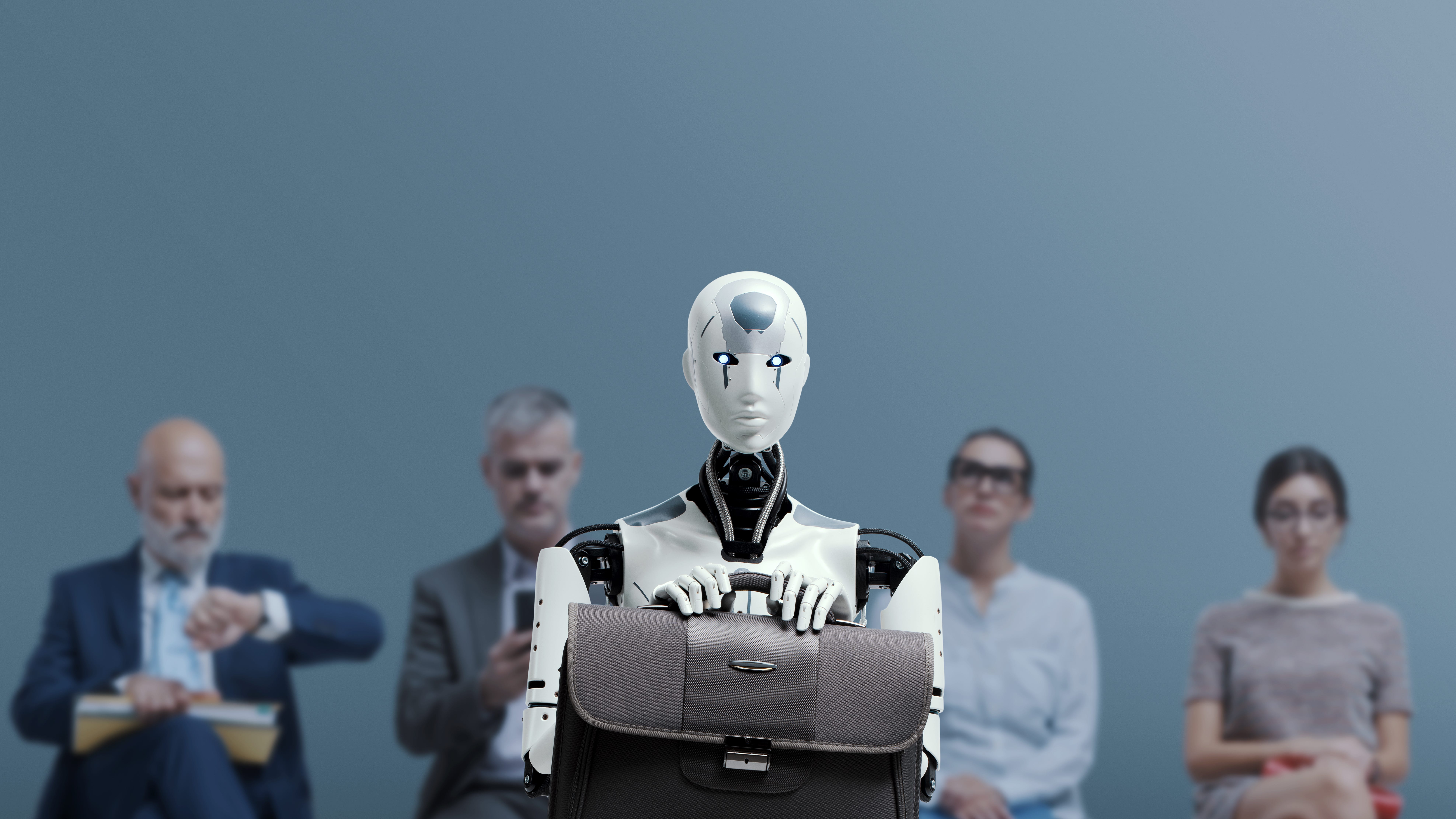

AI is already disrupting the job market
Recruiters value soft skills as a way for employees to prove their worth to the company.
A doomsday scenario released this week by a small research firm warned that artificial intelligence tools could lead to a spike in unemployment.
Citorini Research’s report was widely circulated on social media and spooked investors, imagining what would happen if AI continued to upend white-collar jobs, from wealthy professionals who missed mortgage payments to being forced to look for work as Uber drivers.
Researchers called the report “a scenario, not a prediction,” and analysts pushed back. However, the study got a boost on Thursday, February 26, when Square and Cash App operator Block announced they would cut nearly half of their workforce (more than 4,000) as they restructured their businesses with AI.
The mass layoffs are a sign that rapidly developing technology is displacing workers in parts of the economy, likely adding to fears that AI will take away even more American jobs.
In a post on He predicted that other companies would follow suit, reaping further productivity gains from AI tools.
“I don’t think we’re quick to realize this. I think most companies are late,” Dorsey told investors on Block’s earnings call. “I think within the next year, the vast majority of companies will come to the same conclusion and make similar structural changes.”
Not everyone was convinced that AI was the culprit.
Ben Carlson, director of institutional wealth management at Ritholtz Wealth Management, wrote about X: “Block laying off so many employees could be a sign that AI is going to disrupt everything.” “Or maybe stocks are down 80% from their highs and overemployment makes AI a convenient excuse.”
Will AI eliminate more American jobs?
Block is not the first company to blame AI for layoffs.
Pinterest, CrowdStrike, and Chegg are among the companies blaming advances in AI for layoffs. Salesforce cut about 4,000 customer support roles last year. Ford CEO Jim Farley said last summer that AI “will literally replace half of all white-collar workers in America.”
This trend has attracted the attention of policymakers.
Federal Reserve Chairman Jerome Powell said in October that “a significant number of companies have announced that they’re not going to be hiring as much or are actually cutting jobs, and a lot of them are talking about AI.” “It doesn’t really show up in the initial claims data yet. Now, it’s not surprising that it doesn’t show up. It takes a while for it to show up.”
It’s difficult to predict how much work may be on the line.
In a September survey highlighted by the New York Fed, 1% of service companies reported firing employees because of AI in the past six months, down from 10% last year. However, 13% of these companies said they expected job cuts to occur within the next six months.
Looking ahead, the Fed’s research found that “the use of AI is expected to result in an increase in layoffs and reductions in employment plans.”


