
RFK Jr. releases new dietary guidelines
Secretary of Health Robert F. Kennedy Jr. announced new dietary guidelines and said his message was clear: “Eat real food.”
The protein craze has Americans reaching for snacks packed with macronutrients, but many are unaware of the health risks associated with some of them.
On HuffPost’s “Am I Wrong?” podcast Thursday, food journalist Elizabeth Dunn said one popular protein snack is particularly concerning. That’s meat sticks, which she calls “one of the fastest growing snack categories right now.”
“What’s really surprising to me is that people don’t know that processed meat is a class 1 carcinogen, a group 1 carcinogen, especially now that we’re in such a healthy, nutritious, conscious time,” she said. “This is a World Health Organization classification, meaning they are known to cause cancer in humans. So I think this is something that really more people should be thinking about.”
Chomps, a popular brand of meat sticks, reported a 206% increase in sales in 2024. In the same year, sales for the entire meat snack category reached $3.3 billion. However, meat snacks containing sticks have been available since ancient times. Consider Slim Jim, which started selling in the 1920s and now offers a whole line of different flavors and sizes.
Dunn added that very meat-rich diets, especially those high in red or processed meat, have “substantial health implications.”
“The data is very clear. Decades of like large, reliable studies show that the more meat you eat, the more likely you are to die from cancer, diabetes and all causes. So basically you die younger,” she said.
Eating ultra-processed foods, including processed meats like hot dogs and bologna, has been linked to more than 30 health conditions, including type 2 diabetes, heart disease, mental health disorders, and obesity. Excessive consumption of red meat is associated with negative health effects, including an increased risk of colorectal cancer.
Saturated fat in red meat also increases the risk of obesity and cardiovascular disease, Dr. Daniel Dunham, medical director at Lenox Hill Hospital, recently told USA TODAY.
“If you don’t have other sources of protein, it might be better than nothing, but if you have other types of protein, you’re going to be better from a health standpoint,” he says.
Health and Human Services Secretary Robert F. Kennedy Jr.’s recently updated U.S. dietary guidelines further intensify the focus on protein, prioritizing protein intake and even placing red meat at the top of the newly flipped food pyramid.
Some experts worry that the new protein’s message could cause confusion.
“The main criticism I have about this is that it lumps processed and unprocessed proteins together, and that’s probably too simplistic,” Dunham said.
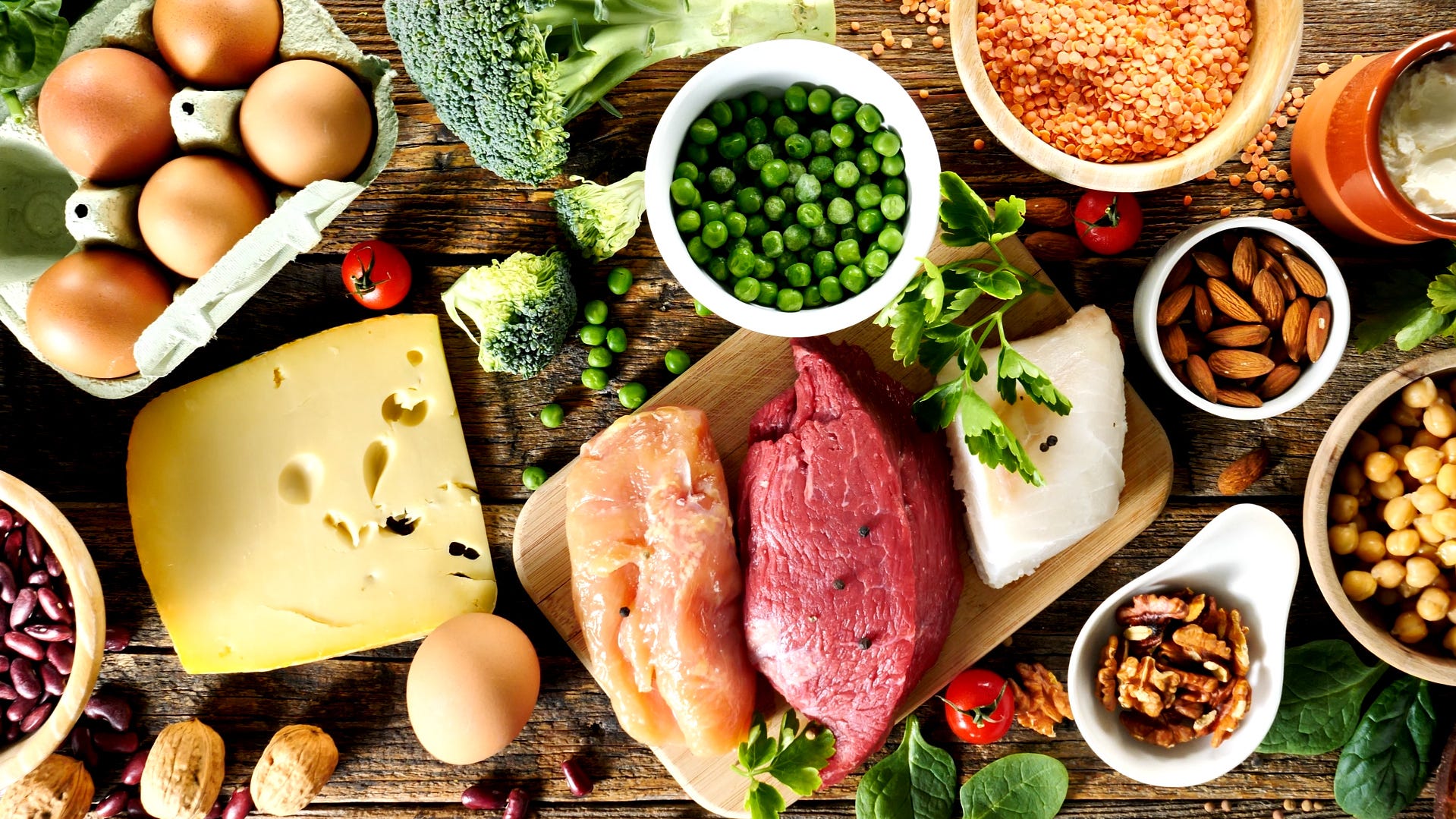
Instead, experts advise people to vary their protein intake with plant-based sources such as beans and legumes.
Additionally, most Americans already consume enough protein, explained Dr. Fan Fan Chan, a cancer epidemiologist who specializes in nutrition.
“On average, we’re not protein deficient,” she recently told USA TODAY. “Really, the bigger difference is the quality of the protein, the source, especially protein from seafood versus vegetable protein.”


