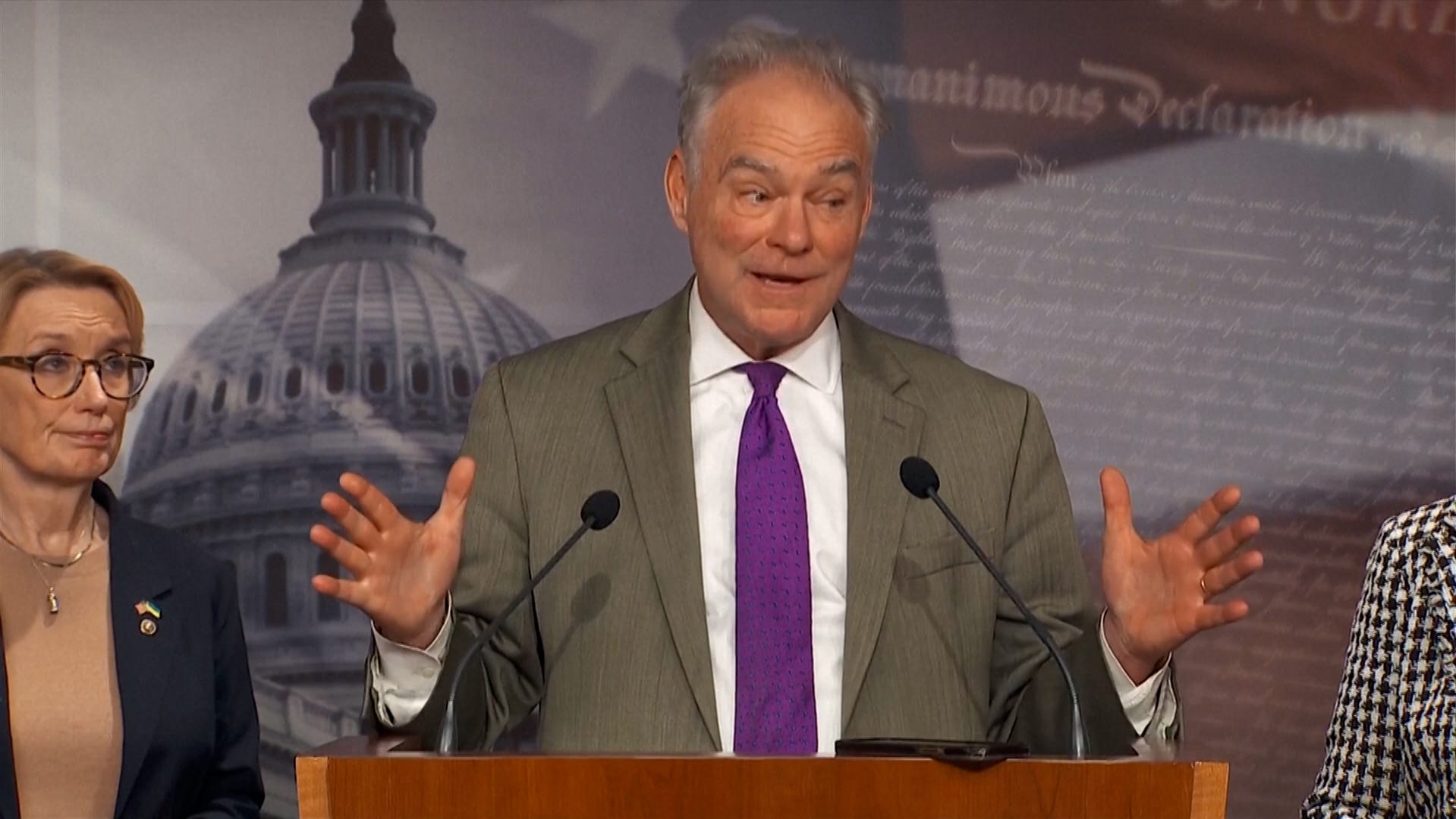

Senators take steps to end government shutdown. Next is here
Eight senators voted across party lines to end the government shutdown. I’ll explain next.
After more than 40 days, the end of the longest government shutdown in history appears to be in sight.
On November 9, the Senate voted 60-40 to advance a bipartisan agreement to fully reopen the government through January 30.
Seven Democrats and one independent who caucuses with Democrats crossed party lines to agree with Congressional Republicans on the negotiated deal. However, the closure that began on October 1st is not over yet.
The Senate, which must take a final vote to pass the funding deal, is scheduled to reconvene at 11 a.m. ET on Monday, Nov. 10. The bill will then pass the House of Representatives and need to be signed by President Donald Trump.
Here’s the latest information on the government shutdown as of Monday, Nov. 10:
Is the government still closed?
As of Monday morning, November 10th, the government is still closed.
The Senate voted to move forward with a deal to fully reopen the government on Nov. 9, but there are still several steps that need to be passed before the crisis officially ends.
The government shutdown ends when both the House and Senate pass funding, after which President Trump must sign the bill.
What needs to happen to end the government shutdown?
The Senate appears on track to approve a temporary funding measure to reopen the government through January 30, but votes are still needed to pass the deal.
If the Senate passes the continuing resolution, the House would have to vote on the agreement. If approved by Congress, President Trump would need to sign the bill.
House Minority Leader Hakeem Jeffries indicated that House Democrats would not support the bill. However, Republicans hold a narrow majority in the House of Representatives. A House vote has not yet been scheduled.
What you need to know about the agreement to end the government shutdown
The temporary funding measure advanced by the Senate on November 9th would allow the government to fully reopen until January 30th.
These include reversing federal layoffs, a promise to vote in the future on expiring Affordable Care Act grants, and allocating additional funding to the Supplemental Nutrition Assistance Program through next September.
As part of the deal, Congress will also refund other agencies and programs, including veterans benefits and military construction.
A key issue for Democrats during the shutdown is extending subsidies for the Affordable Care Act (also known as Obamacare), which are set to expire on December 31st. Without an extension, Obamacare premiums are scheduled to double.
In the latest agreement, Republicans in Congress agreed to vote on the aid, likely in the second week of December.
Melina Khan is USA TODAY’s national trends reporter. Contact her at melina.khan@usatoday.com.
Contributed by: Zachary Schermele, Joey Garrison, Bart Jansen, USA TODAY


