
SCOTUS rules against President Trump’s sweeping tariffs in 6-3 decision
The Supreme Court has ruled that President Donald Trump does not have the power to impose large tariffs at will.
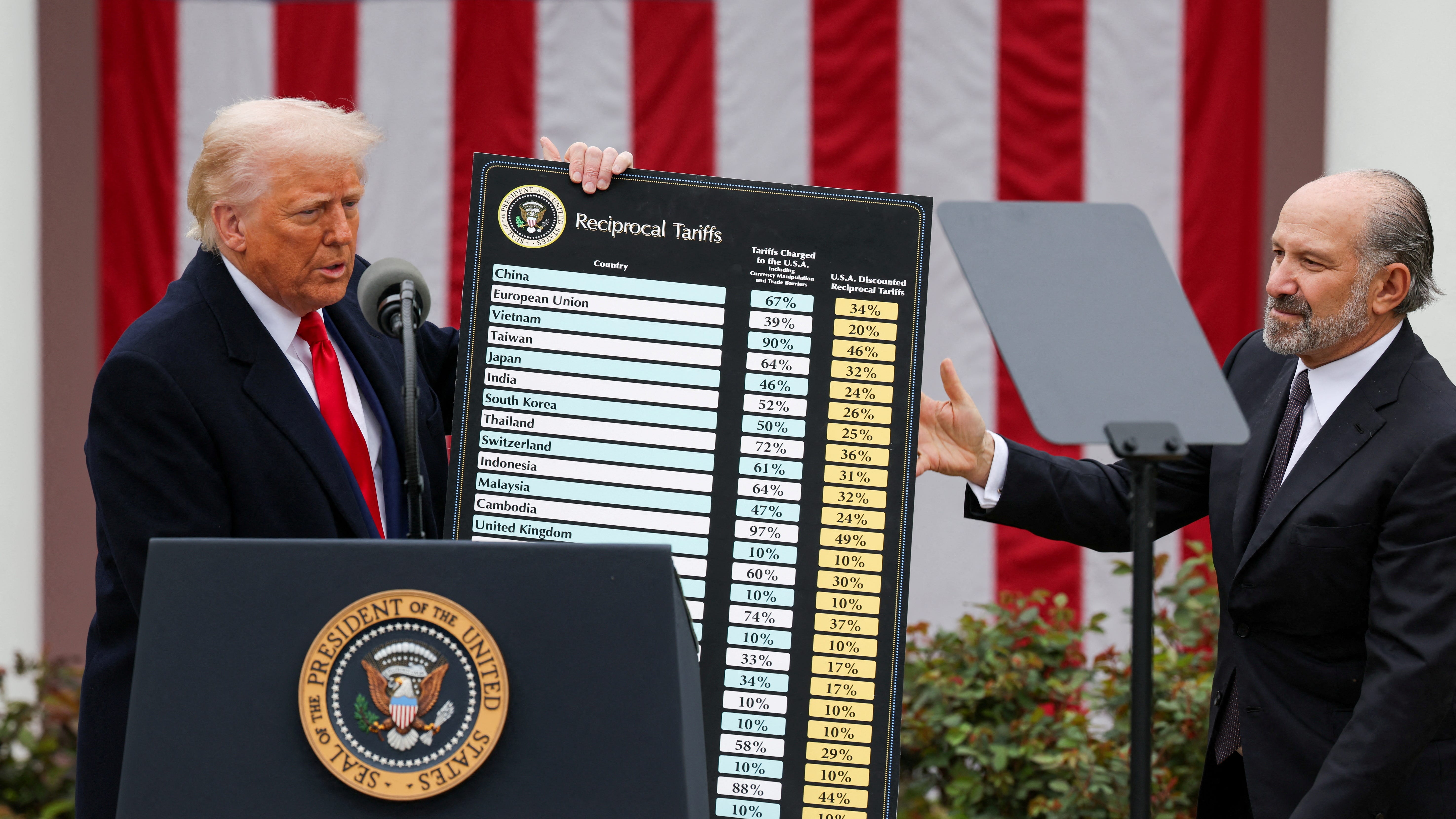
President Donald Trump remains determined to impose tariffs despite a Feb. 20 Supreme Court ruling invalidating the president’s emergency tariffs from last year.
President Trump said at a press conference that he would immediately sign an executive order imposing 10% tariffs worldwide to replace the tariffs overturned by the Supreme Court. Regarding the 10% tariffs, President Trump cited the 1974 Trade Act rather than the 1977 International Emergency Economic Powers Act, which the high court ruled lacked authority to use.
And it’s just the beginning. President Trump has vowed to use other methods to impose tariffs. “We’re going to keep going,” he said.
But how can the president continue?
“The president still has multiple legal authorities that allow him to replicate much of the tariff policy that effectively erected a new wall around the United States last year, when average weighted tariff rates rose from about 3% to over 15%,” Drew DeLong, director of geopolitical dynamics at global strategy and management consulting firm Kearney, said in an emailed commentary.
Below is a summary of the paths analysts think the President may take to impose additional tariffs.
Judge Kavanaugh’s proposal
Supreme Court Justice Brett Kavanaugh “clearly pointed to the Trade Expansion Act of 1962 (section 232), the Trade Act of 1974 (sections 122, 201, and 301), and the Tariff Act of 1930 (section 338),” DeLong said.
They are:
Trade Act of 1974 (sections 122, 201, and 301)
Article 122 It authorizes tariffs of up to 15% to address massive trade imbalances, and President Trump said he would sign it on February 20, except he chose 10% instead of 15%. However, these expire after 150 days.
Article 201 The president can impose tariffs if there is a surge in imports that poses a serious threat to U.S. industry.
Article 301 Allows the United States to impose tariffs if a trading partner is determined to be violating trade agreement commitments or engaging in discriminatory or unreasonable practices that burden or restrict U.S. commerce. The Council on Foreign Relations said Section 301 provides a wide range of remedies and does not place a cap on tariff levels, but requires a formal investigation process and outcome before taking action.
Trade Expansion Act of 1962
The Trade Expansion Act of 1962 (Section 232) allows the president to impose restrictions on the importation of goods that threaten the national security of the United States.
Article 232 The CFR said it would authorize the president to impose tariffs deemed to threaten U.S. national security after review and recommendations by the Secretary of Commerce. President Trump said the existing 232 will remain at “full strength.”
Other options include the Tariff Act of 1930
Article 338 The Tariff Act of 1930 authorizes the President to impose tariffs of up to 50 percent of the value of the goods on imports from countries that unfairly discriminate against U.S. trade through tariffs, regulations, or other measures.
What routes are possible?
“My best guess as to where we will end up after the 150-day period in Section 122 expires is an attempt to enact Section 338, which would allow for tariffs of up to 50%,” DeLong said. “There will be similar questions about the legal validity of this mechanism, but the cleanest path for the administration is to restructure tariff policy with a similar structure. If they choose a legally solidified path, Section 301 will likely be the vehicle of choice, but six months and more than 100 investigations will be a daunting task.”
What will happen to President Trump’s trade deals?
Some analysts expect the trade deals President Trump signed with countries last year to remain in place.
“Trading partners that have already negotiated agreements are unlikely to terminate them, and existing tariffs under Sections 232, 201, and 301 will remain unaffected,” said Brian Gardner, chief Washington policy strategist at Stifel.
Finally, he said: “Despite the court’s rebuke, the new tariff framework is likely to remain in place, raising questions about how much benefit the actual rescue operators will gain, but probably not by much.”
Medora Lee is USA TODAY’s money, markets and personal finance reporter. Please contact us at mjlee@usatoday.com. Subscribe to our free Daily Money newsletter for personal finance tips and business news every Monday through Friday.


