
President Trump’s $2,000 tariff rebate plan could cost twice as much as it earns
President Donald Trump’s $2,000 tariff rebate plan could cost $600 billion a year, twice as much as tariff revenue.
WASHINGTON – Less than three months after taking office, President Donald Trump imposed retaliatory tariffs on imports from dozens of countries, saying they benefit American companies that have been treated unfairly by foreign countries.
But Trump’s tariffs have raised prices for U.S. consumers, sowed confusion and anger (even among some U.S. allies), and reached a skeptical U.S. Supreme Court, which is considering whether he acted legally.
President Trump announced the tariffs at a ceremony in the Rose Garden on April 2, which he dubbed “Emancipation Day.” President Trump held up a big diagram and said he would impose a 10% tariff on imports from all countries and impose additional tariffs on 60 countries that are the largest contributors to the U.S. trade deficit and pose the most significant barriers to American products.
“For decades, our country has been robbed, pillaged, raped and plundered by friends and foes, countries near and far,” he said. “But now it’s our turn to thrive.”
China and Canada counter tariffs with tariffs
At least two countries, China and Canada, fired back. China, which waged a long trade war with the United States during the Trump administration’s first term, responded to President Trump’s latest tariffs with countermeasures. The Chinese government has imposed additional taxes on all U.S. products and curbed exports of some rare earth elements.
But by the end of the year, tensions showed some signs of easing. China resumed purchasing U.S. soybeans in November, agreed to end expanded restrictions on exports of rare earth minerals, and the U.S. lowered some tariffs on Chinese goods. President Trump said he plans to visit Beijing in April next year and pay a state visit to Chinese President Xi Jinping at the White House in late 2026.
Canada, one of the United States’ two largest trading partners, retaliated against President Trump’s tariffs by imposing tariffs on billions of dollars of American goods, including steel and aluminum products, computers, sporting goods and some cast iron products. The Canadian government eliminated tariffs on many items in September, but left tariffs on steel, aluminum and automobiles unchanged.
Canadians reflect on U.S. political tensions on Canada Day
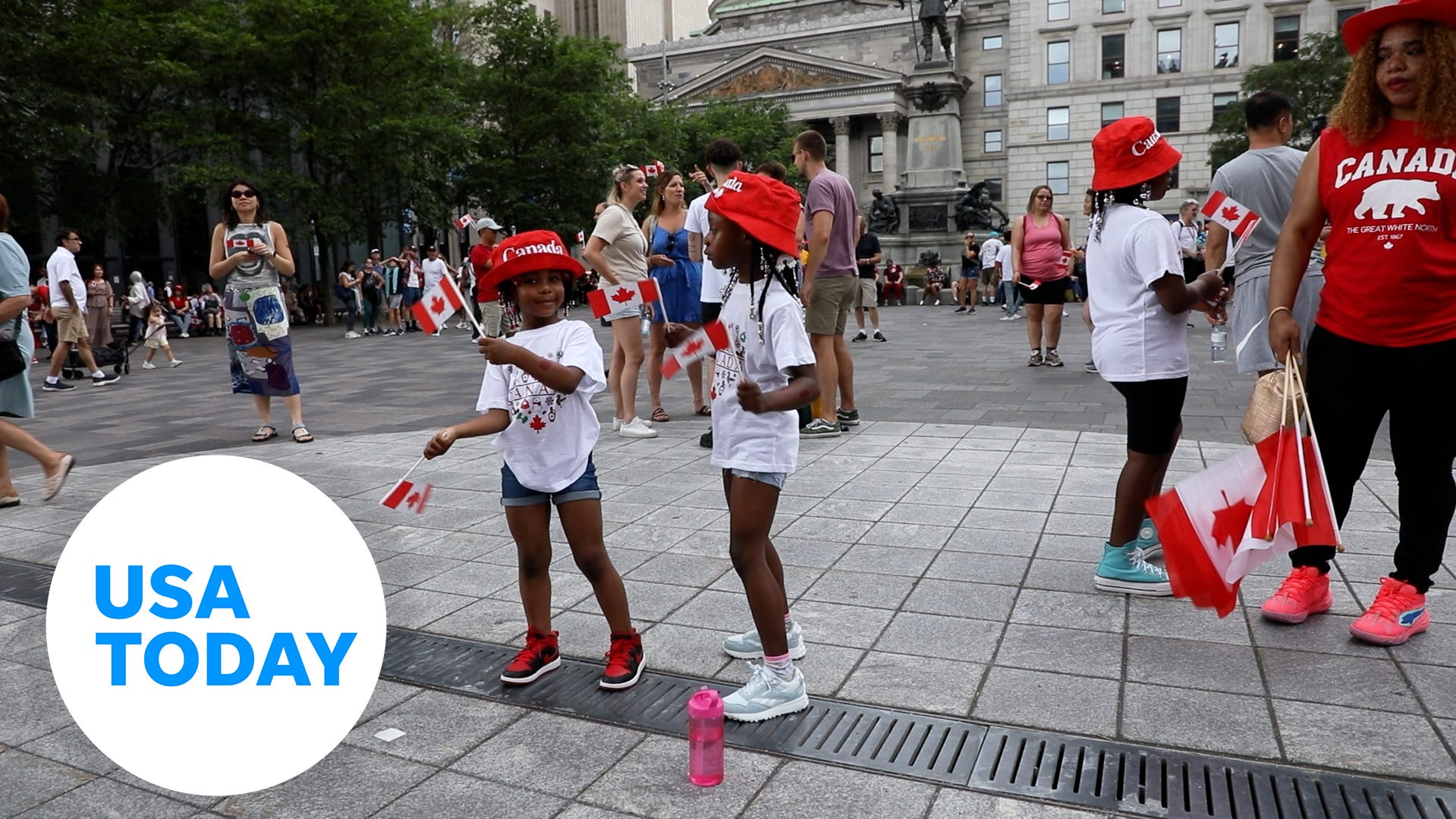
How do Canadians view Canada Day as the political rift with the United States deepens?
Canadian businesses did their part to fight back. Fed up with President Trump’s disdainful attitude toward their country, restaurant and bar owners and food industry workers pulled American products from their shelves, while the “Buy Canadian” movement spread across much of the country. In Montreal and other cities, bar owners have stopped using Kentucky bourbon in drinks such as the Old Fashioned and replaced it with Canadian rye.
President Trump abruptly called off trade talks with Canada in October after the Ontario government aired a television commercial featuring former President Ronald Reagan speaking negatively about tariffs. Canadian Prime Minister Mark Carey apologized, but trade talks between the two countries have yet to resume.
President Trump lifts tariffs on Brazilian coffee and beef
President Trump’s tariffs have caused higher prices for American consumers. The nonprofit Tax Foundation reported in October that the tariffs increased retail prices by 4.9%. Other reports said some beef prices rose 18.4% in September.
A separate analysis released in October by global investment firm Goldman Sachs concluded that Americans, rather than foreign exporters or foreign governments, are paying the bulk of the cost of tariffs. According to the analysis, U.S. consumers will be responsible for 55% of the tariff costs by the end of this year.
President Trump insisted that the tariffs did not affect food prices, but in November he eliminated tariffs on more than 200 food items, including Brazilian coffee, beef, orange juice and fruit.
Will I get a $2,000 rebate check?
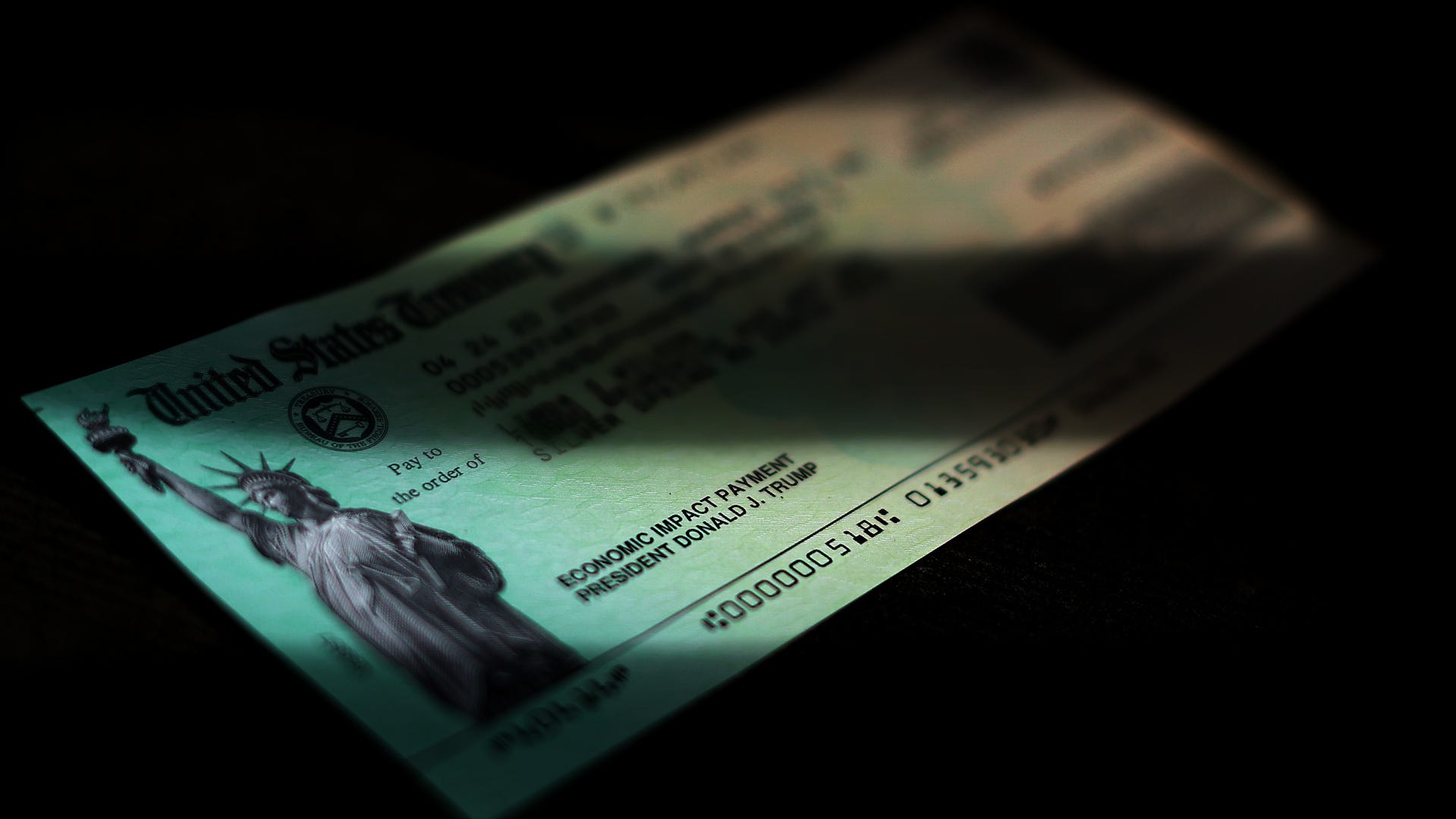
President Trump suggested that the money raised by the tariffs could be returned to Americans in the form of $2,000 rebate checks. He originally floated the idea in July and continued to dangle the possibility of rebate checks for months afterward, suggesting the $2,000 payments would go to low- and moderate-income Americans and could arrive in the middle of next year.
But analysts have warned that the tariffs won’t raise enough money to pay the rebates. The Tax Foundation estimates that tariffs will generate $158.4 billion in revenue in 2025 and an additional $207.5 billion in 2026. But the cost of the rebate checks could reach up to $606.8 billion, twice the revenue expected to be brought in by the tariffs, the group said.
Supreme Court hears President Trump’s tariff claims
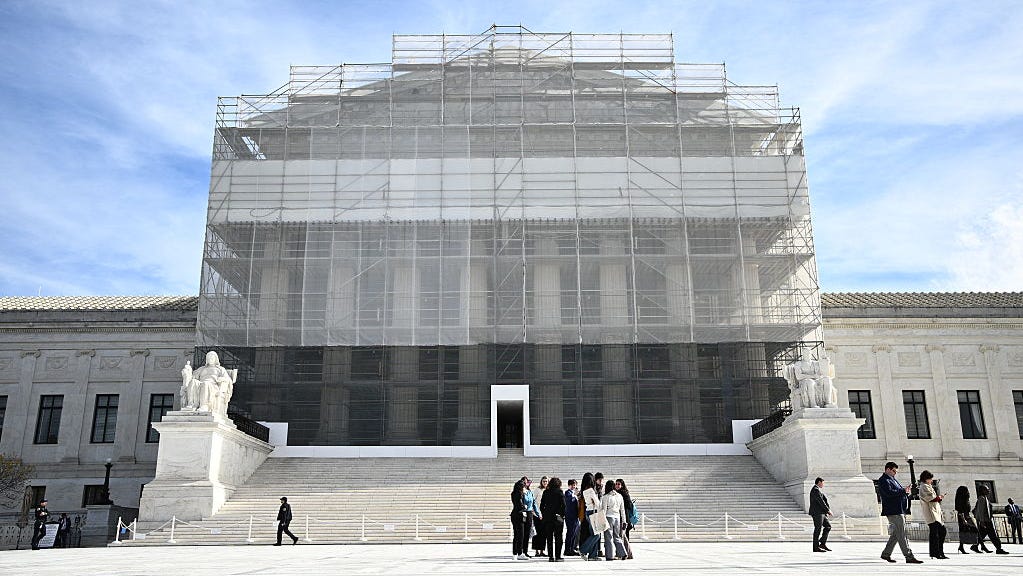
The Supreme Court heard arguments in the Trump administration’s global tariff case.
The fate of President Trump’s tariffs rests with the Supreme Court, which will consider whether the president acted lawfully when imposing the tariffs.
During a nearly three-hour debate on Nov. 5, the justices questioned whether President Trump has the authority to impose significant tariffs on most imported goods. The Constitution gives Congress the sole power to set taxes. However, Attorney General John Sauer argued that the tariffs imposed by President Trump are “regulatory duties, not taxes.”
At least three of the court’s six conservative justices (Chief Justice John Roberts, Justices Neil Gorsuch and Amy Coney Barrett) expressed skepticism about the Trump administration’s claims. The fourth Justice, Brett Kavanaugh, who is sometimes a swing vote in politically divisive cases, appeared uncertain about his decision.
A decision is expected to be made soon.
Contributors: Maureen Groppe, Bart Jansen, Francesca Chambers, Joey Garrison
Michael Collins writes about the intersection of politics and culture. He is a veteran reporter who has covered the White House and Congress. Follow him on X: @mcollinsNEWS


