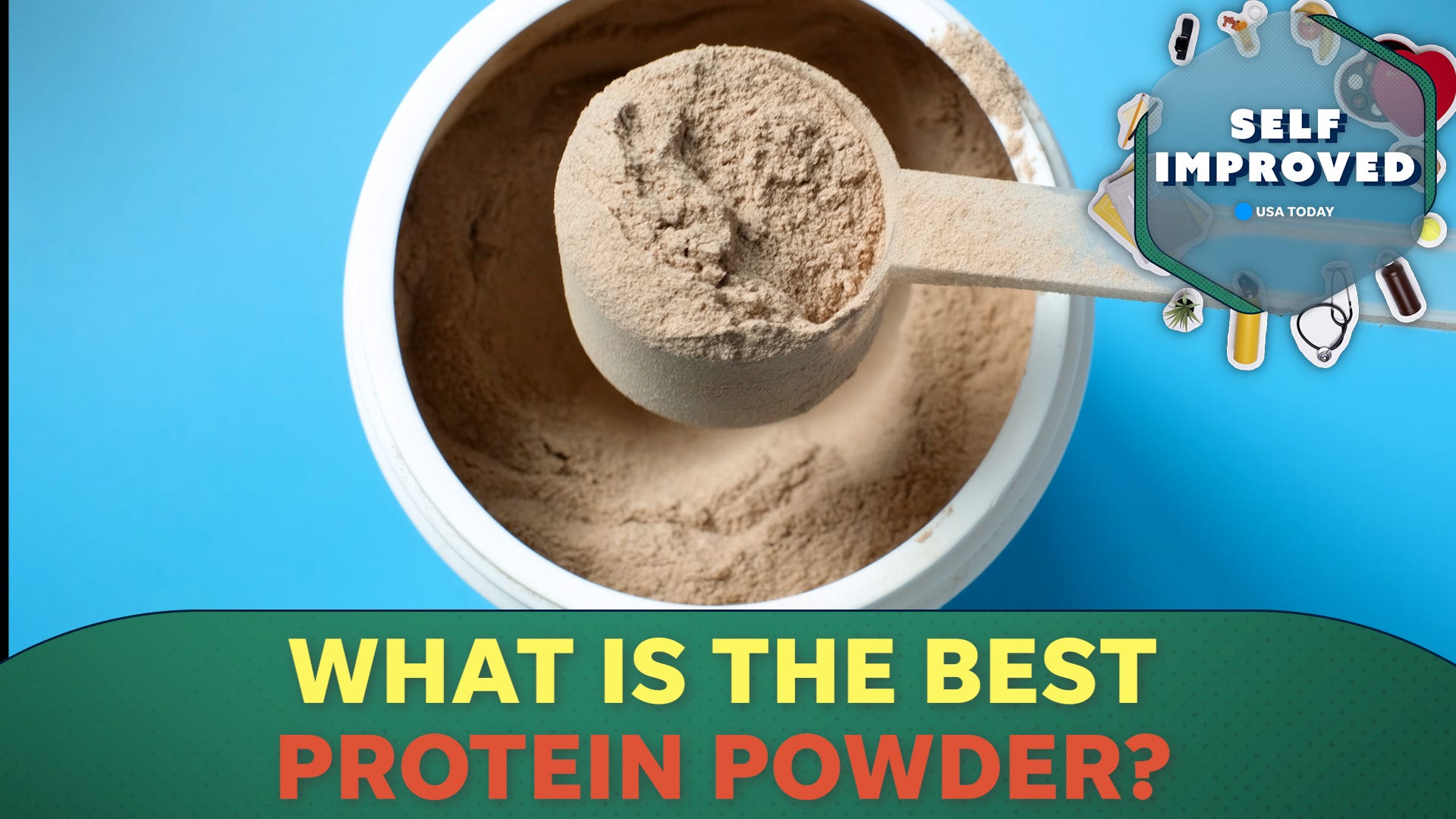

Experts explain how to choose protein powder to add to your meals
Nutritional therapist Lauren Kelly explains the different protein powder options and how each variation can help you achieve your health goals.
If you want to build muscle, hitting the gym might be your first move. But how does protein intake factor into bulking plans?
The Recommended Dietary Allowance (RDA) for protein is 0.36 grams of protein per pound, or about 54 grams for a person weighing 150 pounds. However, diet experts are increasingly recommending increasing protein intake, at least 60 to 90 grams per day.
Although everyone’s needs are different, dietitian Jamie Nadeau previously told USA TODAY that people generally need “at least 20 grams of protein per meal to feel full.”
If you’re trying to build muscle, your intake can be even higher. However, it is possible to consume too much protein. Here’s how to find your happy medium, recommended by nutrition experts.
How much protein does it take to build muscle?
Nadeau said you should consume at least 0.8 grams of protein per kilogram of body weight. This equates to a minimum of 54.4 grams of protein per day for a person weighing 150 pounds.
But if you’re trying to build muscle, adding more protein will help your body “growth, development, and tissue repair,” according to Harvard Health.
“Everyone is different, but for most healthy people looking to build muscle, aiming for 1.2 to 1.4 grams of protein per kilogram is effective,” says Nadeau. In other words, for a person weighing 150 pounds, aim for 81.6 to 95.2 grams.
Increasing your protein intake doesn’t have to involve the complicated ordeal of finding an acceptable protein powder or constantly cooking large amounts of meat. Many meats contain much more protein, but other foods also contain protein, such as lentils, Greek yogurt, cottage cheese, milk, black beans, and peanut butter.
“To keep things simple, we recommend prioritizing a good source of protein at every meal and striving to include at least one snack a day that contains at least 5 to 10 grams of protein,” Nadeau said.
What symptoms occur when there is too much protein in the body?
Even when it comes to nutrition, there can be too much of a good thing.
According to Harvard Health, eating a very high protein diet increases your risk of developing kidney stones. Also, depending on what protein-rich foods you eat, eating large amounts of red meat and other foods high in saturated fat can increase your risk of heart disease and colon cancer.
“It’s certainly possible to consume too much protein,” Nadeau says. She recommends keeping protein intake to less than 2g per kg of protein.
This article contains affiliate links. If you click a link and make a purchase, we may earn a commission at no additional cost to you.


