
CDC Vaccine Committee Changes Guidelines for Neonatal Hepatitis B Vaccination
The Vaccine Advisory Committee voted to change the guidelines for hepatitis B vaccination of newborns and to delay vaccination by two months.
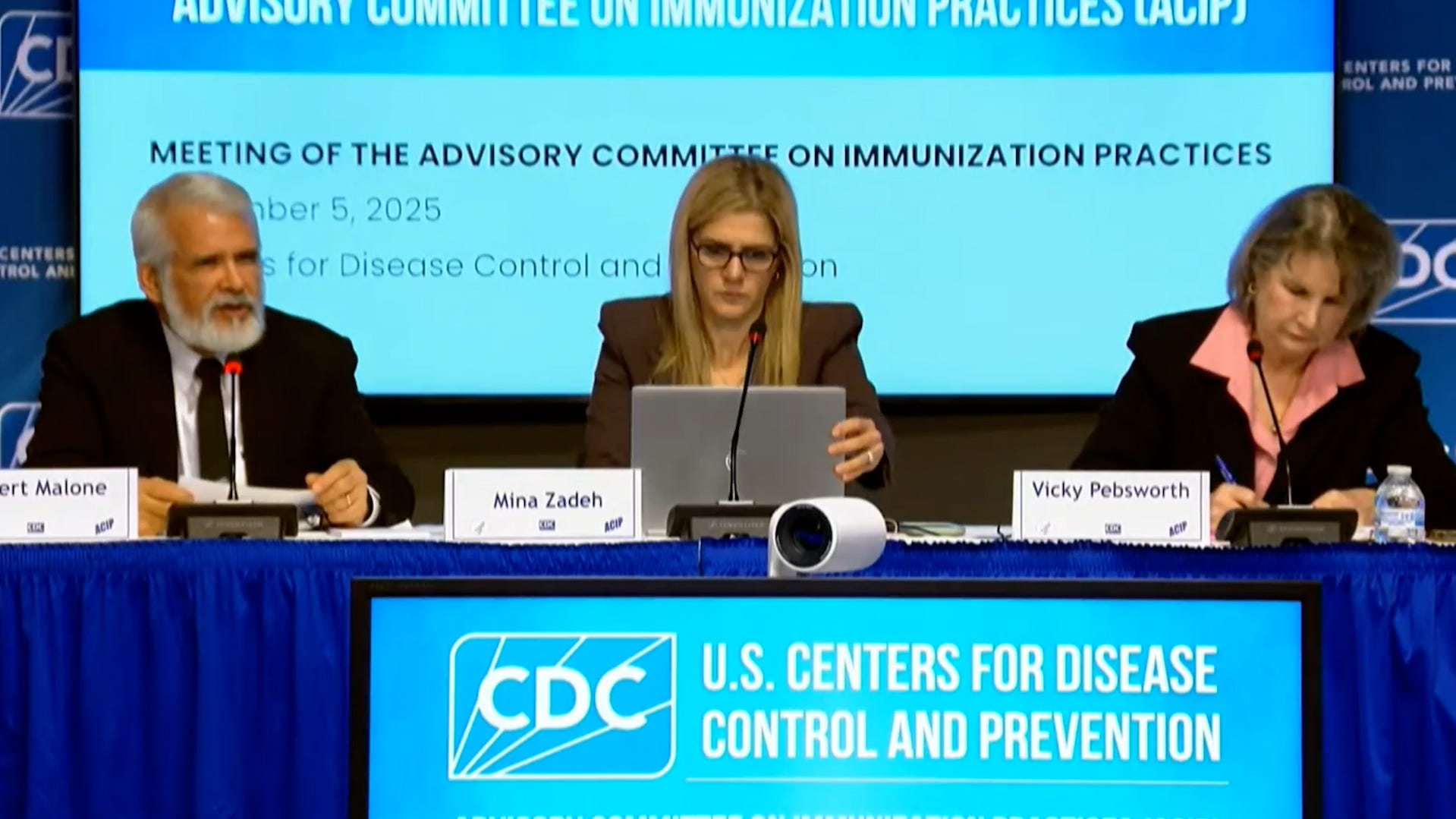
Secretary of Health and Human Services Robert F. Kennedy Jr.’s influential Vaccine Advisory Committee voted to no longer universally recommend the first dose of hepatitis B vaccine for newborns within 24 hours of birth, in a sweeping overhaul of vaccine policy.
On Friday, December 5, a day after concluding its vote in a controversial meeting, the Advisory Committee on Immunization Practices recommended “individualized decision-making” for parents of babies born to mothers who tested negative for hepatitis B. Parents who refuse to receive the vaccine at birth are advised to postpone the first vaccination until “at least 2 months old.”
Committee members who supported the change emphasized that the committee still recommends that newborns born to mothers with hepatitis B be vaccinated at birth. The committee’s recommendations will be sent to the director of the Centers for Disease Control and Prevention. The commission has no regulatory authority, but states often consider its recommendations when mandating vaccinations for school-age children and other populations.
The committee also recommended that parents talk to their doctors and other health care providers about whether to get tested for antibodies during the three-dose vaccination, and that insurance companies cover the cost of the tests.
The committee’s vice chairman, Robert Malone, characterized the vote to no longer universally recommend prenatal doses of the vaccine as a conflict between individual rights and social obligations.
Could RFK Jr.’s Vaccine Committee Overturn Hepatitis B Vaccine?
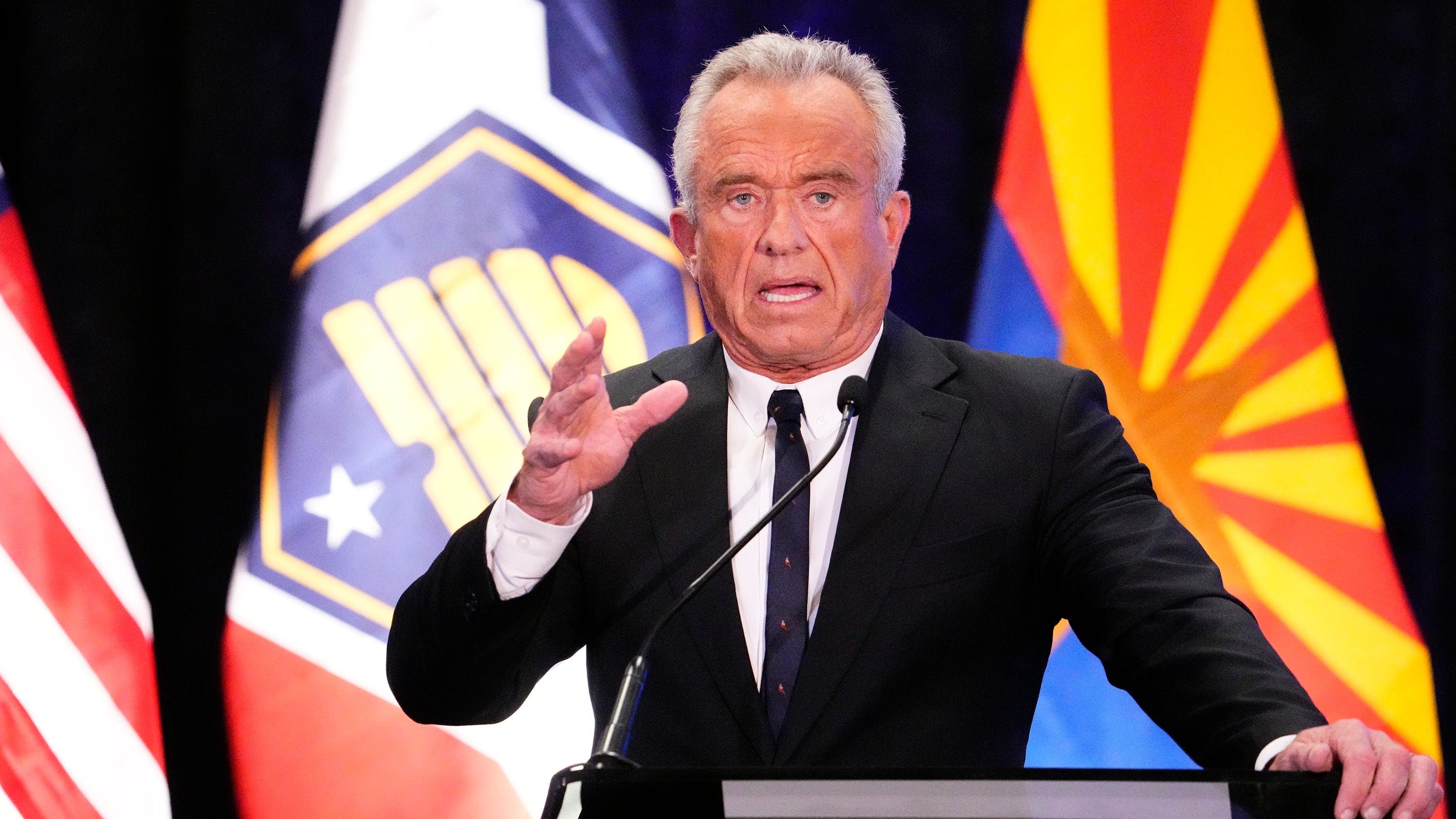
Health Department Secretary Robert F. Kennedy Jr.’s Vaccine Advisory Committee will discuss and potentially postpone the critical immunization that protects infants from hepatitis B.
“We’re torn between these two opposing viewpoints,” Malone said. “There are two fundamental differences of opinion when it comes to individual rights and social rights.”
Commissioner Cody Meisner rejected the change. He said hepatitis B cases are decreasing due to the effectiveness of vaccines. Since the current three-dose regimen was adopted in 1991, hepatitis B infections among children and teenagers have declined sharply. A 2023 study published in the Official Journal of the U.S. Surgeon General found that a three-dose vaccine given at birth is effective in preventing cases of chronic hepatitis, which can lead to cirrhosis and liver cancer.
“It would be a mistake to say that we can change the frequency or schedule of dosing because we don’t have that many illnesses, because hepatitis B infections will come back,” Meissner said.
Committee member Joseph Hibeln said the committee lacked data to support language that would delay the first dose, noting there was not enough evidence to suggest that some infants might be better protected by such a delay. He also noted that the wording of the question had changed four times in four days.
Commissioner Retsev Levy, who supported the change, said the risk to children born to mothers without hepatitis B was extremely low.
“Do you want to expose your baby to potentially harmful interventions?” Levi asked.

Chaotic meeting delays RFK Junior Vaccine Committee vote on hepatitis B vaccination
The Department of Health and Human Services Robert F. Kennedy Jr.’s Vaccine Advisory Committee has postponed a vote to change the timing of the first dose of hepatitis B vaccine for newborns.
Committee’s recommendations on hepatitis B draw criticism
Sen. Bill Cassidy (R-Louisiana) criticized efforts to reschedule the hepatitis B vaccine. Cassidy, a liver doctor, said in a social media statement posted shortly after the vote that the committee’s recommendation was wrong.
“CDC Acting Director (Jim) O’Neill should not sign these new recommendations and instead maintain the current evidence-based approach,” Cassidy said.
On Thursday, he criticized the committee’s decision to invite Aaron Siri to discuss vaccinations, calling him “a trial lawyer who makes a living suing vaccine manufacturers. He’s speaking like he’s an expert on childhood vaccines.”
“(The commission) is completely discredited,” Cassidy said in a social media post Thursday. “They’re not protecting their children.”
Dr. Richard Besser, president and CEO of the Robert Wood Johnson Foundation and former acting CDC director, said the vote puts the health of children at risk.
“This vote opens the door to a resurgence of hepatitis B infections and is another step in the administration’s concerted effort to eliminate the recommended childhood vaccination schedule,” Besser said.
He said more infants and toddlers will suffer severe illness and some will die.
“As we care about the health of our children, we cannot allow this to happen,” Besser said. “Policy makers, doctors and families should look to trusted medical and public health organizations for guidance, and health insurance companies should do the same to let them know what vaccines are covered.”


