
Student loan borrowers could face wage garnishment
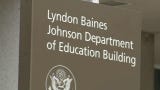
Millions of Americans who are behind on their federal student loans could soon have their paychecks garnished as the U.S. Department of Education moves to resume aggressive collections.
Fox – 5 Atlanta
Student loan defaulters will be saved from wage garnishment for now.
The Department of Education announced it is suspending its plan to garnish other income, such as paychecks and tax refunds, for borrowers who default on their student loans. The department was scheduled to begin wage garnishments the week of January 7th.
The department said in a release that the moratorium will allow the department to “implement large-scale student loan repayment reforms,” including simplifying repayment options and providing additional opportunities for borrowers to rehabilitate their federal student loans.
There is no deadline for how long the moratorium will last, but the department said it will give financially strapped borrowers time to resolve defaults with federal loan servicers.
“After the Trump Administration implemented significant improvements to our broken student loan system, we determined that involuntary collection efforts, such as administrative wage garnishments and the Treasury Offset Program, would work more efficiently and equitably,” said Education Under Secretary Nicholas Kent.
Your credit score is still at risk
Borrowers will be able to maintain their income for a little longer, but defaults will still be reported to credit institutions, the ministry warned.
“The department reports student loan defaults to credit bureaus, which can negatively impact a borrower’s credit report.” A drop in your credit score has lasting effects. Lenders use these to decide whether to approve a loan or credit card, and to determine interest rates and credit limits.
“People are most upset when they want to buy a home,” Michele Ranelli, TransUnion’s vice president and head of U.S. research and consulting, told USA TODAY late last year. “They saved money, did their research, and ultimately found a home within their budget. But when they try to get a mortgage, they find out their score is too low. This is something that will take time to recover and is a missed opportunity.”
How many Americans are in default?
By the end of 2025, more than 4 million Americans will technically be in default on their student loans, Ranelli said, meaning they are at least 270 days past due. It just hasn’t been reported to the credit bureaus yet for a variety of reasons, including processing delays, she said.
When finally reported, about 10 million borrowers, representing about 25% of the federal student loan portfolio, could default on their loans, the Education Department said. Experts say this is a record.
mixed reaction
Aissa Canchola Báñez, policy director for Protect Borrowers, which has fought to get the Trump administration to put a brake on wage garnishments, said the moratorium is a victory for struggling borrowers. The report estimated that a borrower defaults on a loan every nine seconds, “representing an unprecedented default crisis that is three times worse than before the pandemic.”
“At a time when the affordability crisis is mounting, the administration’s plan would have been economically reckless and risked pushing the nearly 9 million defaulted borrowers further into debt,” Canchola Báñez said.
Some supporters said the administration needed to go further. “While this is a welcome first step, it is only a temporary pause,” said Natalia Abrams, director and founder of the Student Debt Crisis Center. “The Department of Education must agree to provide comprehensive student loan debt relief and cease all collection actions going forward. No one should ever face the possibility of being deprived of their hard-earned wages or tax refunds.”
However, some analysts said the suspension was a loss for the country and its budget.
Maya McGinius, president of the nonprofit Board for a Responsible Federal Budget (CRFB), called the move “outrageous.” “Not only will it increase costs for taxpayers, it will actually exacerbate affordability challenges by ballooning student loan burdens and putting upward pressure on interest rates and inflation.”
CRFB estimates that the U.S. could lose up to $5 billion a year in collections, swelling the loan balance.
“The loans should be repaid and the administration should start collecting them,” McGuineas said.
Medora Lee is USA TODAY’s money, markets and personal finance reporter. Please contact us at mjlee@usatoday.com. Subscribe to our free Daily Money newsletter for personal finance tips and business news every Monday through Friday morning.


