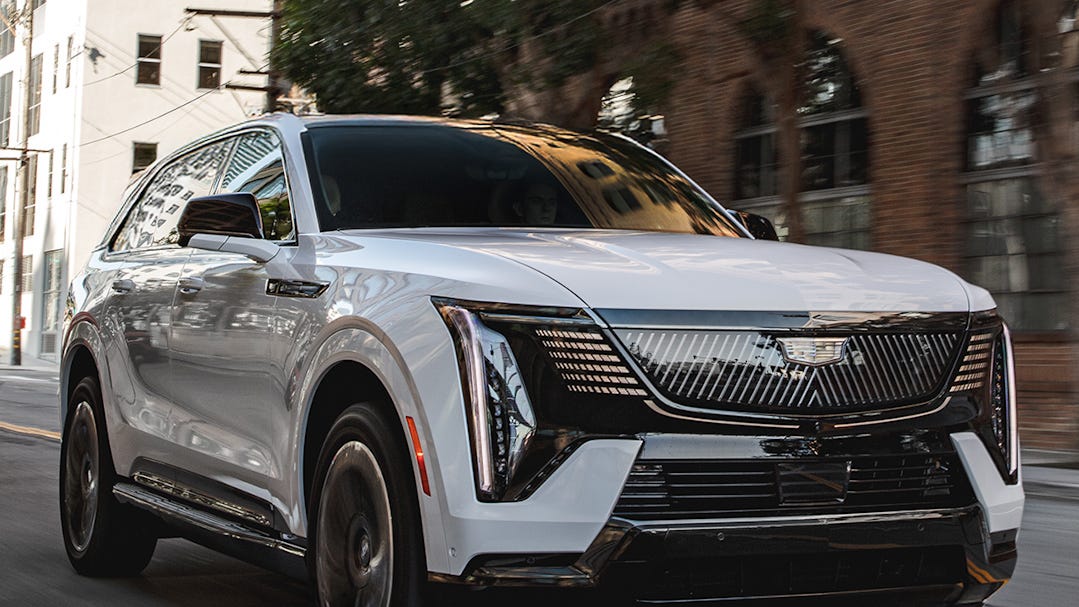

Why are electric cars heavier than gasoline cars?
Electric cars are heavy. Seriously. Automakers are developing new battery technologies to reduce the load.
Electric cars aren’t just newsworthy in the 21st century; The Tennessean, part of the USA TODAY Network, has been covering EVs for more than 100 years.
On March 21, 1915, The Tennessean published the first article about electric cars in the state, titled “Electric Trucks Now in Support.” The piece touted the possibility of an “electric motor truck” that could travel up to 40 miles on a single charge.
A 1915 Tennessee article stated, “There is no reason why electric truck chassis should not compare with the best gasoline types.”
Dating back more than a century, that range pales in comparison to the 1,059.2 miles traveled on a single charge by the 2026 Chevrolet Silverado EV Max Range work truck, which set an electric vehicle mileage record this summer.
The first article about electric cars appeared in this newspaper in 1915, but national summaries and advertisements appeared several years earlier.
On October 24, 1898, an article from the Chicago Record talked about electric cars in Chicago. This article noted the potential, but pointed out that there is a major obstacle: a lack of paved roads, which hinders widespread demand.
Additionally, an August 11, 1912 Nashville Railroad Light Co. advertisement boasted of the simplicity of electric cars.
“Simplicity is one of its most intimidating and economical characteristics,” the ad said. “There’s no complexity with electric cars.”
As the years have passed, The Tennessean hasn’t stopped covering electric vehicles. On April 15, 1980, The Tennessean published an article titled “Answer to the Oil Crisis from the Electric Vehicle Viewpoint”, quoting then-Tennessee Valley Authority Chairman S. David Freeman. He said electric vehicles are the best way to curb inflation, the oil crisis and clean the air.
“This is one of the few really important technologies needed to reduce oil consumption,” Freeman said. “It’s very disturbing that it’s being ignored.”
Since Nissan moved its North American headquarters to Franklin in 2006 and expanded its manufacturing footprint in Smyrna, Tennessee has emerged as a national electric vehicle manufacturing hub.
General Motors is ramping up battery production in Spring Hill, and Ford’s Blue Oval City near Memphis is one of the largest auto investments in U.S. history.
But the industry is at a tipping point as the federal government’s $7,500 EV tax credit expires and China’s EV innovation surpasses that of the United States. Automakers are scaling back EV production and focusing instead on hybrid technology.


