A former intelligence expert reveals practical, low-cost ways travelers can stay safe abroad by increasing situational awareness and planning ahead.
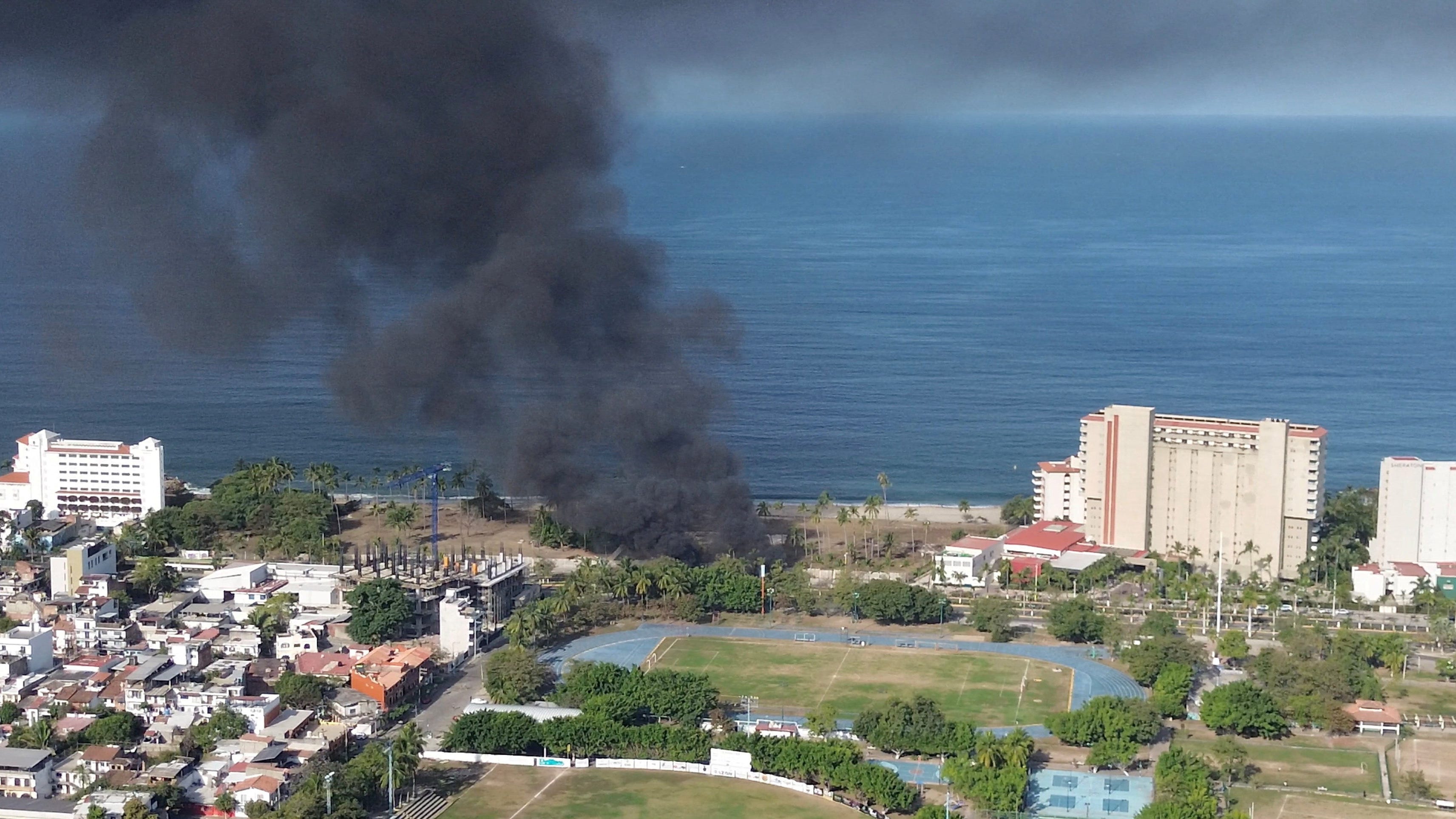

Is it safe to travel to Mexico? See what our experts say.
USA TODAY’s Eve Chen spoke with former CIA officials and security experts about the current situation in Mexico after the death of “El Mencho.”
- A former CIA official advises travelers to research their destinations using resources such as the U.S. State Department website.
- Travelers should avoid posting travel details on social media until they return home.
- To avoid becoming a target, dress to blend in, be aware of your surroundings, and store valuables in multiple locations.
Jason Hanson was almost kidnapped once.
“We spotted the kidnappers. We looked up. They weren’t blending in,” a former U.S. intelligence officer told USA TODAY. “My head was up and I was probably 25 yards away when I realized what was going on.”
Being aware of your surroundings is a basic principle for spies, but it’s also solid advice for travelers.
Hanson managed to outrun his would-be captors. Although most travelers will never face such an extreme scenario, you can learn a lot from former intelligence officers about how to stay safe abroad.
“Those are just very simple precautions, and it doesn’t mean someone has to do something crazy expensive or crazy James Bond-esque,” Hanson said.
Since the US and Israeli attacks on Iran began, the US State Department has issued warnings to Americans not only in the Middle East but also globally.
On February 28, the State Department announced, “In response to the commencement of U.S. combat operations in Iran, Americans around the world, especially in the Middle East, should follow the latest security alert guidance issued by their nearest U.S. embassy or consulate.”The State Department urges Americans worldwide to exercise increased vigilance.”
Here are some general safety tips for travelers.
decide when and where to travel
Safety starts before you leave your home.
Hanson suggests researching “everything” about a destination before deciding to visit.
Doug Patteson, a former CIA officer who now advises film and television projects and teaches college intelligence courses, explains the story:
“I will begin collecting State Department crime and security reports for the countries I plan to visit,” he told USA TODAY, noting that the information is publicly available on the State Department’s website. Also check news reports from other countries, including the country you are traveling to and reliable news outlets.
Pattison looks into things like, “Have there been any protests recently? What about the government? What is the relationship between the government and the people? Is crime rampant?” In addition to general security risks, we also look for terrorism risks, threats directed against foreigners versus local populations, and natural disaster risks.
What he finds will help you decide if it’s worth the trip.
“Everyone has to go through their own decision-making calculations and decide how much risk they are willing to take,” Patson said, adding that decisions also depend on factors such as who else is coming. “If I had small children, that would change my calculations. If it was just me and a few friends, it would change my decisions. So there’s no one answer. The answer is almost always, ‘It depends.'” What you want is an active thought process based on logic and decision-making, not one rooted in fear. ”
Preparing for the trip
Once a destination is decided, Hanson keeps it mostly to himself.
“When it comes to travel, I don’t give away any of my plans,” he says, adding, “Because of my background, I’m more paranoid than the average Joe.” Although he is no longer with the CIA, he founded a safety and security business called Spy Briefing and has written several books on the subject.
Rather than posting about her trips on social media in advance or in real time, Hanson waits until the trip is over. He shares his plans only with his immediate family and close friends who can check on his home. Hanson also gives two people he trusts copies of all documents he brings on the trip, including passports and health insurance information.
“There’s an old saying: ‘Two is one, one is none.’ When it comes to travel, you need redundancy,” he said.
Patteson also recommends enrolling in the State Department’s free Smart Traveler Registration Program. This program allows you to receive important up-to-date information when traveling abroad.
“Another role is to let countries know how many Americans are in a particular area, making it much easier to contact Americans in need if they need to be evacuated, as was the case in Libya during the Arab Spring,” he said.
Both he and Hanson advise finding contact information for your nearest U.S. embassy or consulate and how to contact local authorities, and keeping that information handy.
“Everyone knows to call 911, but you can’t call 911 everywhere,” Patson said. “Make sure you remember the emergency services code for the place you’re going. Make sure you have it available.”
He also suggests carrying a physical list of your allergies in case you are incapacitated for any reason and first responders need to know.
protect what’s yours, protect yourself
While traveling, Hanson puts documents in his money belt and hides them out of reach. He also hid multiple credit cards and at least $300 in cash in local currency and US dollars in various locations to prevent them all from being snatched at once.
Regarding other valuables, Patson advised: “Don’t wear a backpack on a crowded subway, because a skilled pickpocket will open it without your knowledge. Don’t leave your phone on an outdoor cafe table while having dinner or drinks with friends. Don’t leave your drink at the bar and expect to pick it up again and drink it safely.”
Clothes are also important.
“I want to fit in like the other tourists, but I don’t want to look like the poorest tourist. I don’t want to look like the tourist with the big diamond ring and the flashy sunglasses and the North Face jacket that costs hundreds of dollars,” Hanson said. “I want to be the boringest, least exciting, least wealthy-looking tourist. I also want to be the most difficult target, because I’m going to be looking around for people who are going to judge me.”
While intelligence officers are trained to notice details that many travelers overlook, such as license plate numbers, Patson said, “At its core, it’s still situational awareness, which means being aware of what’s going on around you and being able to take decision-making steps before others.”
Hanson believes that awareness helped him evade potential kidnappers.
“Keep your head up and act like you did 25 years ago in 2000 when you weren’t staring at your cell phone,” he said. “If I bury my head in a device, I’m going to walk right into them and get into a very bad fight that I don’t want to be a part of. You can stop that by lifting your head and looking around.”
Both he and Patson study maps and research their routes before heading out. Patteson also pointed out another problem with being glued to your phone. “Frankly, when you’re glued to your phone, you miss out on the joy of being around you and seeing the world around you even more.”
“Don’t be mean.”
Patteson has a saying she has taught her children and others over the years:
“Don’t do stupid things with stupid people in stupid places at stupid times of the day or night,” he said. “This is really a decision rubric, because an area can be completely safe at 2 p.m. and not completely safe at 2 p.m. Understanding that difference can be the difference between safe and unsafe.”
Hanson added several other prohibitions.
“Don’t be offensive. As Americans, we are very uncomfortable overseas. We think the world revolves around us,” he said. “Don’t draw so much attention to yourself.”
He also warned against accidentally sharing too much information.
“One of the things we do in the spy business is what we call ‘get by giving,'” Hanson said. “I might come up to you and say… ‘Oh, you’re American? I’m American. You’re staying at the Marriott with me, right?’ And I’d say, ‘No, Jason, I’m actually at the Best Western there.’ They are trying to get you to correct them using their sentences and wording. ”
“It’s happened to me many times. Of course I don’t fall for it, but people from overseas give out hotel information even though they think they are very friendly,” he said. “Please don’t give me any of that information.”
Similarly, he said: “If someone says, ‘Hey, come with me, come to my store, and I’ll give you a better price,’ obviously you shouldn’t go into the store to get a better price…It might sound too good to be true, but it is.”
“A good friend and mentor of mine, former CIA, says, ‘Do you know what a spy is? Spying is common sense on steroids,'” he added. “Use common sense about steroids when traveling.”
Emergency response
Patteson noted that the biggest risks facing most travelers in many places are petty crime, vehicle accidents and natural disasters.
However, he said gathering information is important in the event of an emergency.
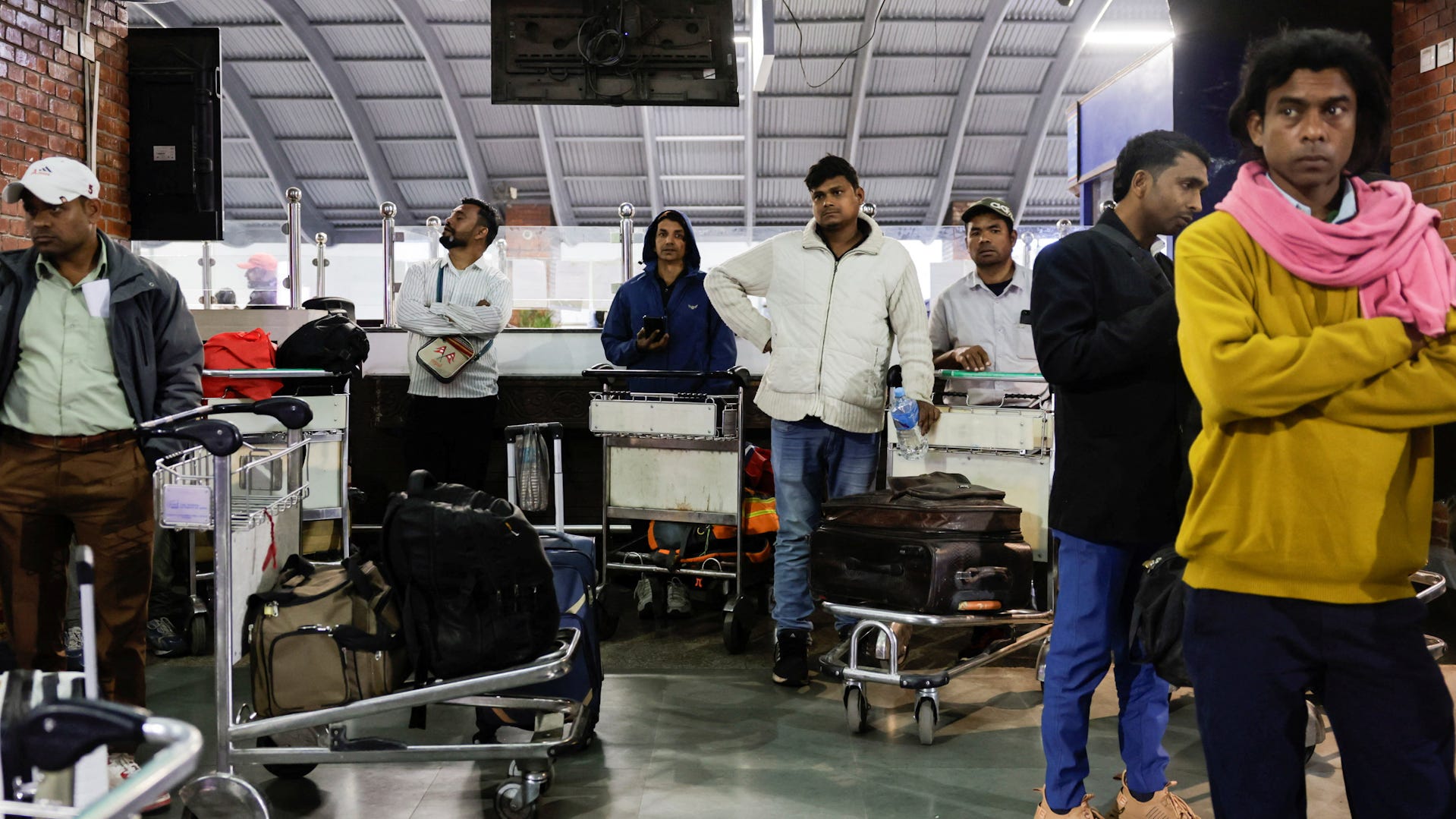
Iran attack causes flight cancellations and travelers stranded around the world
Iranian attacks have disrupted key air routes in the Middle East, leaving travelers in India and Europe stranded as global airlines cancel flights.
“Pay attention to what’s happening on the ground. Go to the State Department website. If you’re in a place where there’s a consulate, go to the consulate website because that’s where you can get the most up-to-date information about threats (to U.S. citizens),” he said.
He also recommended checking local media and trusted social media.
“We need to filter properly, right?” He acknowledged the growing presence of AI and other untrustworthy content online. “But information that is evolving very quickly is often released in (X) almost before it is anywhere else, so you quickly know what search terms to use to find the latest updates on social media.”
If you’re told to shelter in place, as Americans were across Mexico after the killing of the cartel leader known as “El Mencho,” you should do so, Hanson said.
“The key is not to panic and to stay in place until you know it’s safe to go outside,” he says. “The most dangerous time is when you are traveling or on transport. It is not worth putting yourself at risk to go to the airport when you are already in a safe place, have shelter and food.”
Spy or not, it all comes back to being aware of your surroundings and assessing risk.


