

ICE suspends most vehicle stops after fatal shooting
ICE has suspended most vehicle stops in the wake of mass shootings in Maine and Houston, prompting calls for investigations and policy changes.
Fresno City Attorney Andrew Jantz was furious to learn that the Trump administration was threatening to withhold grants the city uses to help prosecute rapists, all because the California city was considered a haven for immigrants.
“Justice for victims should not be politicized. It has nothing to do with immigration enforcement,” Jantz told USA TODAY.
This is the latest example of the Trump administration’s promise to withhold funding from cities it calls “sanctuary.” The policy uses the most powerful tool at their disposal: money, to pressure cities to enter into cooperative agreements with Immigration and Customs Enforcement authorities.
The city of Santa Cruz, California, the lawsuit alleges, will no longer receive federal funding for body armor for police officers. Beaverton, Oregon, does not have an ambulance for paramedics. And right now, in Fresno, police don’t have the money to process rape kits. The administration is threatening to withhold federal funding for critical services from cities that don’t make agreements to cooperate with ICE.
Cities face difficult choices: give up federal funds, sign the ICE agreement, or fight the Justice Department in court.
Jans is prepared to sue. The city of Fresno has already filed suit over other grants tied up in the administration’s campaign against diversity, equity and inclusion.
“The Justice Department fired warning shots, and we sent one shot back,” Jantz said.
He said Los Angeles County is forgoing many federal grant opportunities. The city of Miami is facing backlash from residents after city leaders signed off on the ICE program. And other cities from Seattle to San Diego are launching their own legal battles.
In October, the Justice Department cited 12 states, 18 cities, and three counties for “significantly impeding enforcement of federal immigration law.” In general, many of these locations refuse to share information with ICE, detain individuals for ICE, or allow their personnel access to prisons.
A federal judge in California dealt a blow to the Trump administration on July 9, ruling that the federal government cannot withhold security grants from cities in Oregon and California. Another battle has erupted over sexual assault evidence kits.
In a 68-page ruling, Judge William Orrick said Trump went too far, agreeing with Fresno and seven other cities that the conditions attached to the grants “have no bearing on or conflict with the purposes of Congress.”
Orrick wrote that the public has a legitimate interest in “communities receiving funding for critical infrastructure and public safety initiatives, funds that are funded by federal tax dollars.”
The same judge ruled last year that President Trump could not deny funding to Boston, Chicago, Denver, Los Angeles and 30 other cities because of lack of immigration cooperation. Trump did the same thing in 2017 during his first term.
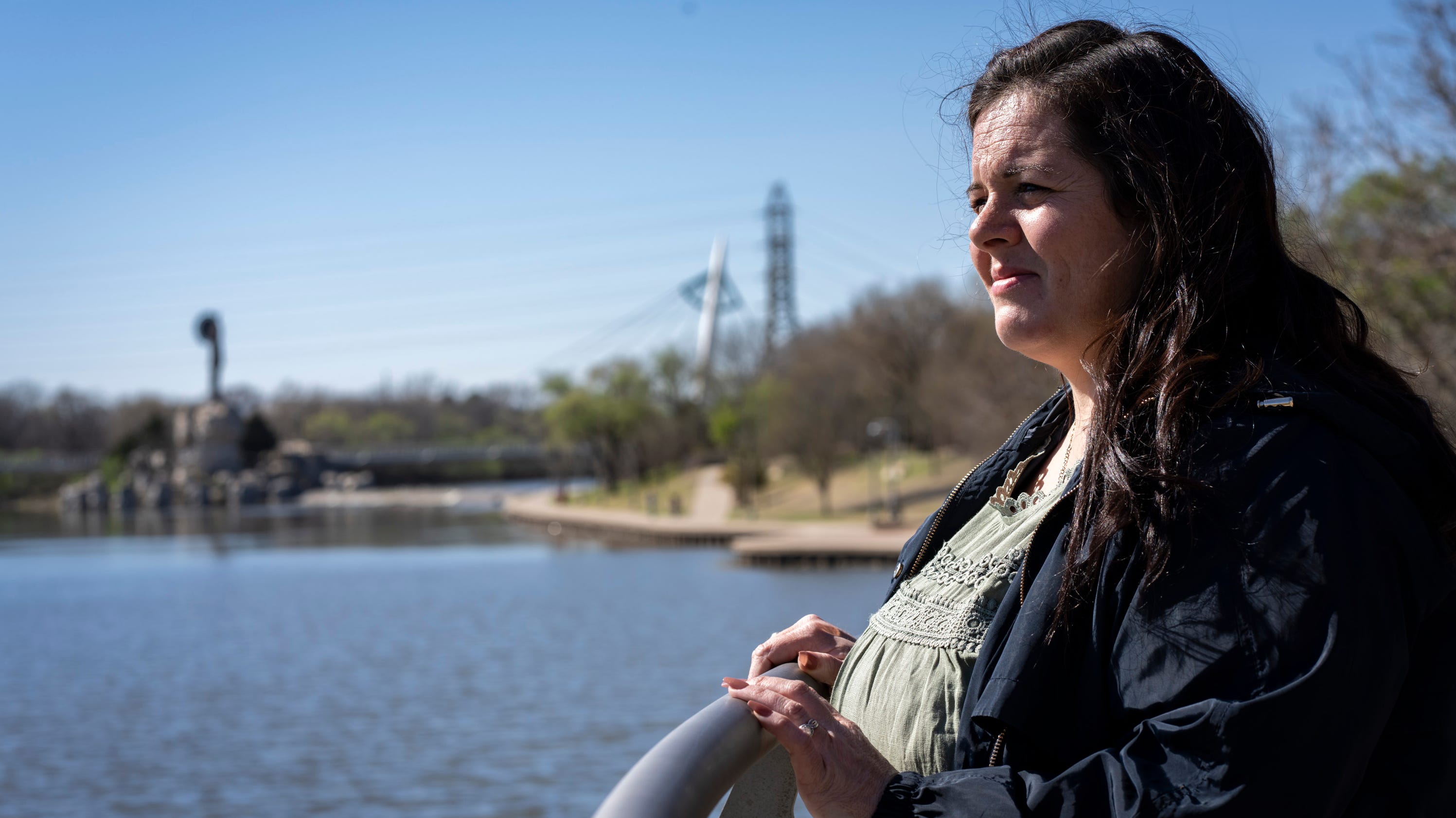
‘Victims deserve to know’: Wichita’s untested rape kits
In Wichita, Kansas, authorities have begun cleaning up a backlog of untested rape kits and providing answers to victims. Many people are still waiting after all these years. This video has been updated to add new information.
Police and fire officials request funding
Police officers in Corvallis, Oregon, rely on body armor funded by the Department of Justice, Corvallis Police Chief Jason Harvey told federal court in May filings. Without that money, about $27,000 over the past two years, officers would be exposed to unnecessary risks.
“Such losses jeopardize the safety of our officers and reduce their ability to effectively protect city residents,” Harvey wrote in a legal filing.
City fire departments would also suffer without federal funding. Corvallis’ ambulance service would be slow to respond to 911 calls, putting residents’ lives at risk, wrote Ben Janes, the city’s fire chief.
In the city of Santa Cruz, Calif., FEMA grants, police grants and water projects to build drought resilience are all in jeopardy if the government continues to threaten to withhold funds, wrote Elizabeth Cavell, the city’s finance director. She painted a bleak picture of layoffs for city workers and cuts to basic city services, such as ensuring a reliable water supply and fortifying the city against natural disasters like wildfires and earthquakes.
“The uncertainty of whether the City of Santa Cruz will receive federal funds calls into question the operations of at least four city agencies,” Cavell wrote. “Due to the uncertainty regarding federal funding, the city cannot decide whether to operate, pause, or cancel the program.”
Sexual assault kits could be the next legal test
The president signed an executive order last year directing federal agencies to end aid to states and cities that don’t cooperate with immigration authorities. It also included a grant to pay for the processing of rape kits used to convict child sex offenders in Fresno.
Jantz, a career prosecutor, said he has used federal funds to file more than 30 cases against rapists in Fresno alone, and it is the victims who suffer.
Leaders of the fight say the $350 million federally funded sexual assault kit initiative is a proven crime-fighting tool and has nothing to do with ICE, controversial detentions or data sharing between local and federal authorities.
Despite that investment, the program was incomplete. A 2024 USA TODAY investigation found that departments are using ad hoc procedures that slow building cases to achieve justice for rape victims. Now, the Trump administration’s withholding of funding could further slow down the program.
Some of those locations still don’t have rape kits in stock. These include forensic evidence waiting to be tested and entered into the federal DNA database to search for matches to other rapes and other serious crimes. More than 21 communities that initially received grants to test rape kits are now considered “sanctuaries.”
The city of Fresno is in the process of testing 400 rape kits with the help of a $2 million grant. That is now at risk of being stripped, Jantz said.
The Department of Justice grants administrator sent a memo to the city of Fresno in June, pointing out that the city had not signed a certification saying it must cooperate with the Department of Homeland Security and ICE or risk losing funding. The Justice Department wanted to make sure it wasn’t an oversight.
Jantz said the situation is putting the city in a bind. State law prohibits the sharing of that type of information, and the 9th Circuit Court of Appeals upheld the law’s constitutionality.
“This is a bad time to postpone testing for sexual assault victims,” Jantz said. “This is what they deserve. Let’s help these victims get justice.”
Jantz sent a response to their warnings to the Department of Justice. “There was no mistake; the city will not assist ICE.” He said this letter is likely the final step before the matter goes to court.
The Department of Justice declined to answer questions about the future of Fresno’s grants.
“Applicants must provide certification that they comply with federal law,” Justice Department spokesperson Win Hornbuckle wrote in an email to USA TODAY.
Fresno put past grants to good use. We tested more than 2,500 backlogged kits, funded 33 new cases and convicted four people of rape.
Progress threatened by ‘stomach-wrenching’ politics
Joyful Heart Foundation leaders were outraged by the funding threat. They advocated for funding rape kits when underpayments were revealed in 2015 under former President Barack Obama.
They argued that the return on investment for testing rape kits is proven. Studies in West Virginia and Ohio show that linking cross-border rapes to one perpetrator can prevent other crimes and save millions of local residents.
“Denying city funding for rape kit testing is misguided when our goal is to take dangerous criminals off the streets,” said Ilse Knecht, the group’s director of policy and advocacy. “Rapists are often serial rapists. They’re not experts, and they don’t stop until they’re stopped. They move around in red states and blue states.”
Knecht said it was “stomach-wrenching” to kneel down an effective and cost-effective sexual assault program. She pointed to convictions nationwide resulting from sexual assault screening programs.
Last week, Dallas police announced they had arrested Jarvis Pierce, 35, using a federal program for DNA testing. He is accused of rape in an unsolved case from more than 10 years ago.
Los Angeles and Portland take different approaches
Other cities on the West Coast are suing the administration over “diversity, equity, and inclusion” language and similar restrictions on Justice Department grants related to immigration enforcement.
Navjot Kaur, executive director of the Los Angeles County District Attorney’s Office, which represents 10 million residents, said in a legal filing that she did not apply for federal funding to test rape kits because of the sanctuary jurisdiction classification. Officials are concerned that the county’s backlog of unsubmitted rape kits could grow and delay victim services.
Portland, Oregon, still has $8.6 million in Department of Justice grants, including $2.5 million for cold cases and sexual assault kits.
In 2018, the city leveraged federal funding to help clear the state’s backlog of thousands of forgotten and untested kits. The kits continued to accumulate, and in 2024 the state’s backlog was back again. Portland police had been waiting eight months for the kits to be tested, and had hundreds of them lined up.
Without funding, the program would be “significantly reduced or eliminated,” City Administrator Raymond Lee wrote in the filing.
Contributor: Jennifer Boresen


