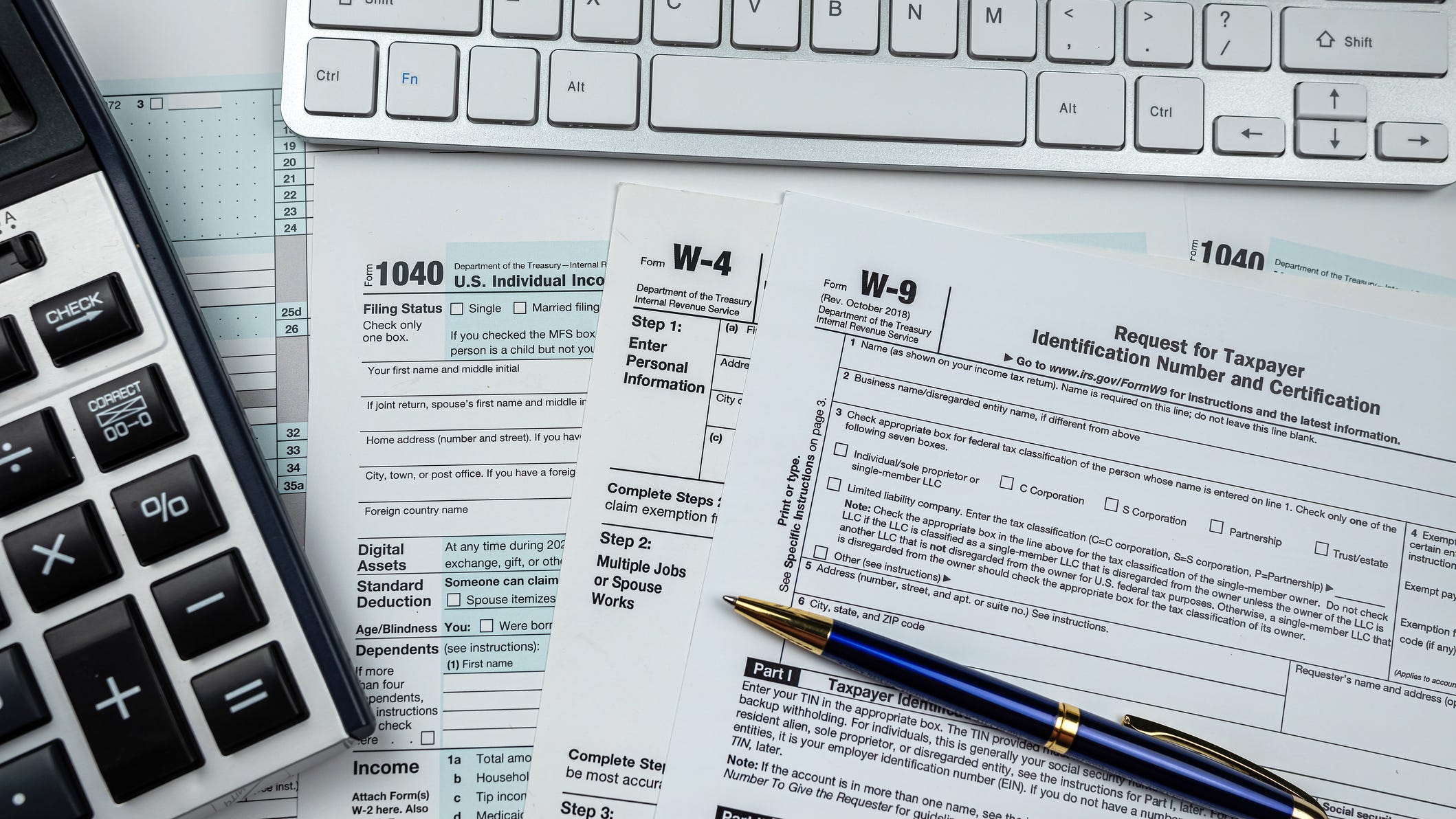

Court ruling could result in millions of dollars in IRS coronavirus tax refunds
A federal court ruling has brought back the issue of COVID-19-era taxes and could leave some Americans owed refunds.
The IRS is not advertising that tens of millions of taxpayers may be owed large IRS refunds from the COVOD-19 era, but tax advisors are spilling the beans on how to get those refunds.
Last November’s court ruling in Kwon v. United States suggests that some penalties and interest imposed during the nearly three-and-a-half-year federal disaster period caused by COVID-19 may have been inappropriate, meaning taxpayers may be entitled to refunds or reductions in those amounts.
The IRS is likely staying silent on the matter because it disagrees with the ruling, and the independent National Tax Advocate (NTA) within the IRS said in a blog post that it expects the Justice Department to appeal the ruling. So, while a refund is not guaranteed, there is no time to wait as the claim deadline is July 10th.
“Even if the IRS disagrees, Kwon In light of this decision, I believe we have a duty to inform taxpayers of their rights. “This will ensure that taxpayers do not miss their claim deadlines if the final resolution of this matter supports their right to refund or relief of interest and penalties,” the IRS said in a blog post.
If the ruling stands, taxpayers will have until July 10 to submit requests for refunds or reductions, experts said. By law, a taxpayer has only three years from the time the return is filed or two years from the time the tax is paid, whichever is later, to request a refund or reduction of penalties or interest. The court ruling suggests the tax deadline will be moved to July 10, 2023, so July 10, 2026, three years from that date, will be the last day a potential refund or reduction claim can be held, tax lawyers said.
“Millions of taxpayers could potentially qualify, but if they don’t file by July 10, 2026, they will lose the possibility of a refund or reduction,” said John Wasser, a partner at Fox Rothschild who specializes in tax matters.
Who is eligible for a refund or reduction?
According to the NTA, all taxpayers are eligible, including individuals, small and medium-sized enterprises, large corporations, estates and trusts.
“This issue extends to taxpayers with obligations related to income tax, employment tax, inheritance tax, gift tax, and excise tax,” the IRS said. “Taxpayers who file international information declarations late may also be affected and may be subject to significant penalties even if they do not owe any tax.”
How do I know if I’m eligible?
Use your IRS tax return to see if you owe money, experts say.
IRS tax account records show tax information for each year, including filing status, taxable income, and adjustments made after the original return was processed. It also displays the dates on which payments, penalties, and interest were made or assessed.
If the IRS charges interest or penalties between January 20, 2020 and July 11, 2023, taxpayers may consider filing a refund claim.
According to the IRS, tax account records can be viewed, printed, and downloaded online by registering using a personal online account, or by mail. Americans can order by mail through the IRS website or by calling the automated telephone transcription service at 800-908-9946. Arrives within 5-10 calendar days.
How do I file a claim?
Wasser said a tax professional can file a claim on a taxpayer’s behalf, or a taxpayer can use information from their tax return to file a claim using IRS Form 843, Claim for Refund and Claim for Abatement.
Lawyers say taxpayers should clearly indicate on the form that they are claiming protection under Section 7508A(d) and Kwon v. United States regarding the COVID-19 disaster period.
“You’re basically saying to the IRS, ‘I have a refund claim, please hold on to it for now,’ until the case is finalized,” Wasser said. Once all litigation is complete and the IRS is required to issue a refund, you have retained the right to claim your rights.
Taxpayers are not required to file separate forms for each tax year, but must identify the specific tax year involved, the Internal Revenue Service said.
Medora Lee is USA TODAY’s money, markets and personal finance reporter. Please contact us at mjlee@usatoday.com. Subscribe to our free Daily Money newsletter for personal finance tips and business news every Monday through Friday.


