Airlines have not yet made significant schedule cuts, but experts have warned that prolonged oil disruptions could impact flights and prices.
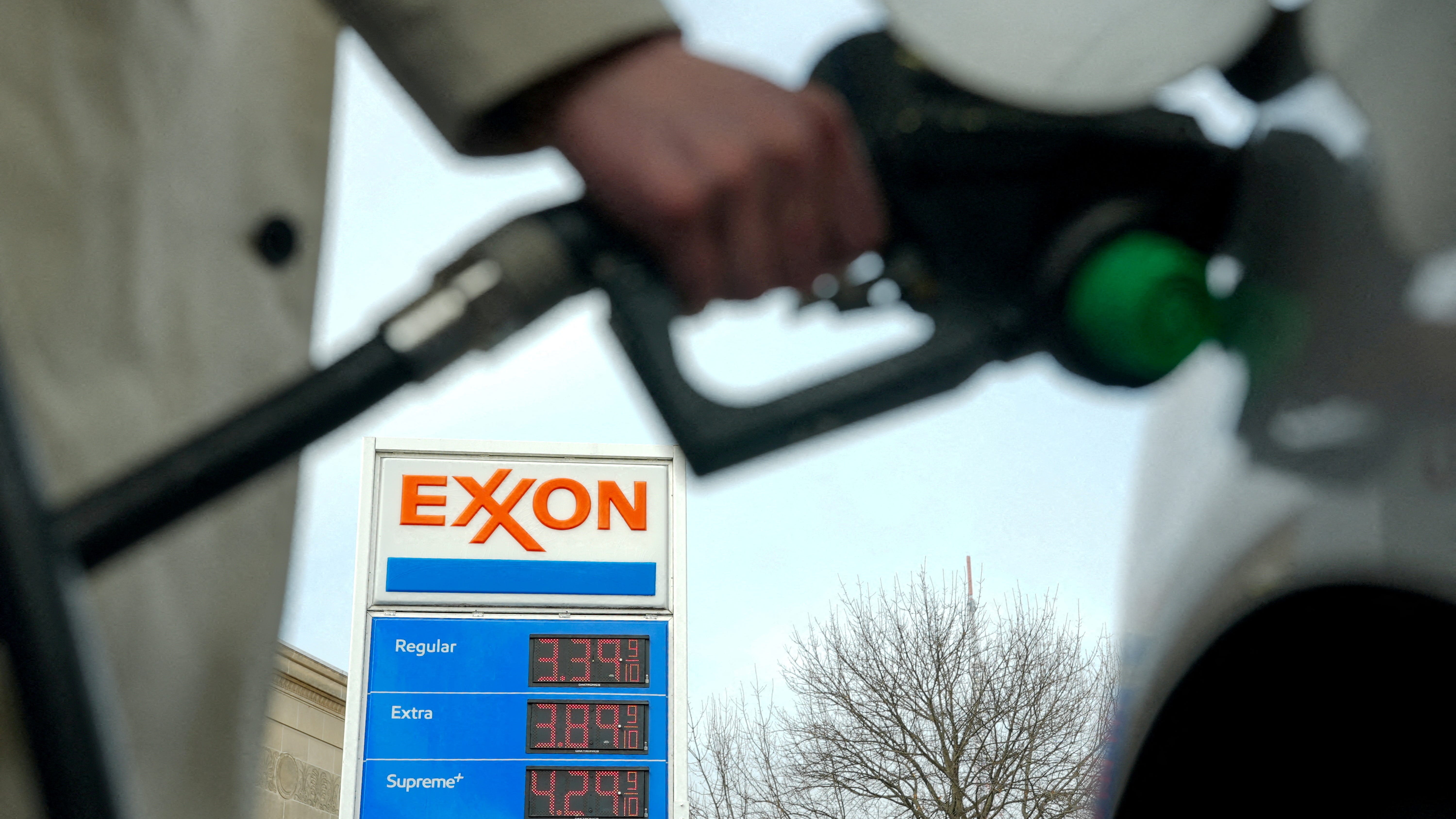

After the ceasefire, oil prices fell and gas prices stabilized.
Oil prices have fallen following the ceasefire between the US, Israel and Iran, impacting global market share. In the news, gasoline prices have remained stable.
- Rising prices and geopolitical uncertainty are causing some American travelers to reconsider their summer plans.
- Despite the Iran war, major U.S. airlines have not significantly reduced summer travel schedules or raised fares.
- Airlines have said they are prepared to raise fares if oil prices continue to rise.
- Experts are advising travelers to book summer travel now and consider purchasing refundable tickets as uncertainty continues.
For Dawn Montgomery, the craziness of 2026 is already impacting her summer travel plans.
“I’ve already canceled the first of my three international trips,” she told USA TODAY.
Like many American travelers, the combination of rising prices and geopolitical uncertainty has the journalist and media consultant wondering whether it’s better to stay close to her home in Decatur, Georgia, or travel further away this summer.
“Two of the three trips have already been pre-planned and paid for,” she said. “The trip I don’t have planned is in July, but do you really want to go somewhere or just drive?”
She still plans to visit her son in Italy, who will be 21 in June.cent Montgomery said she is still deciding whether to cancel her trip to St. Maarten in May and go to Mexico, or stay closer to home and visit Asheville, North Carolina, in July.
Industry analysts say travelers like Montgomery can rest assured that airlines will not make significant schedule cuts or price changes, even as oil prices rise due to the closure of the Strait of Hormuz. But experts warn that a renewed escalation of the war in Iran could lead to continued uncertainty and ultimately even greater travel disruption beyond the summer.
How will the Iran war affect air travel this summer?
The war has devastated much of the Middle East and upended daily life for countries in the region, but so far the impact on the United States has been primarily economic.
There have been no major disruptions to U.S. airlines as a result of the Iran war. Some flights to the Middle East have been rerouted and services to select destinations in or near conflict zones have been reduced, but domestic flights and flights to popular international destinations in Europe, Asia, Latin America and Oceania are largely unaffected.
“The U.S. is an isolated market. The Middle East continues to be grounded. United Airlines was the first to talk about cutting slots,” Brett Snyder, author of the blog Cranky Flyer and owner of travel agency Cranky Concierge, told USA TODAY. “So far, it’s been a last-minute situation. We’ve seen some airlines like Breeze (Airways) delay the start of summer for (transcontinental) flights from Los Angeles. Long-haul flights use more gas, making it harder to cover costs.”
OAG, an analysis firm that tracks airline schedules, said the major changes since the start of the war have actually only had a significant impact on Middle Eastern airlines. OAG data showed that the total number of flights on the April schedule actually increased slightly between what airlines applied for in February to operate this month and what they had on their schedules as of April 6.
“There are very few differences for most airlines, except for those that are based and operate in the region, such as Emirates and Etihad Airways,” OAG spokesperson John Grant told USA TODAY in an email. “Further afield, some airlines have recently begun adjusting their operations, typically allowing passengers to be re-accommodated on other flights on the same day, on routes with high frequency of service throughout the day.”
This means that most of the airlines that have cut flights in the U.S. have done so on routes that operate multiple flights a day. This will make it easier for airlines to rebook passengers with existing reservations, minimizing disruption for travelers.
“Due to the high cost of fuel, we’re going to reduce the number of flights we fly, especially in the middle of the week,” Diane Merians Penaloza, a lecturer in the School of Professional Studies at the City University of New York, told USA TODAY in an interview.
Will air tickets be more expensive?
Airlines have so far not done much to adjust ticket prices in response to soaring oil prices, but major U.S. airlines recently announced plans to increase checked baggage fees due to rising operating costs.
“It’s very remarkable that we haven’t really seen any negative impact on freight rates from what’s going on in the Middle East at this point,” Snyder said. “U.S. airlines continue to say demand is strong and everything is fine, which means fares are high.”
Airlines, which are already benefiting from high fares and strong travel demand, say they are prepared to weather the fluctuations without significantly impacting their operations or profits. Executives have noted in earnings calls and recent public statements that demand for air travel remains strong despite rising costs for airlines and some fares for passengers. However, this means that the companies are prepared to raise freight rates if oil prices continue to rise for some time.
“With the war in Iran, airline executives are effectively stumbling. They’re following a coronavirus-era corporate playbook. They’re dizzyingly talking about how to use the crisis to line their pockets with consumers who are already stretched beyond breaking point. Don’t just take that from me, listen to them,” said Lindsey Owens, executive director of the progressive think tank Groundwork Collaborative, USA. said in a statement to TODAY.
Advocacy groups have compiled statements from airline CEOs that suggest airlines are willing to use fuel prices as a cover to boost profits.
According to reports, United Airlines CEO Scott Kirby said at the JPMorgan Industrials Conference on March 17, “The earnings environment is very strong. By the way, our goal this year is to completely offset the rise in fuel prices, and the revenue that we have to fully offset that is currently about $4.6 billion.”
Could there be further travel disruption later this year?
Travel appears stable so far this summer, but further disruption to air travel could occur if the Iran war escalates again or if the blockade of the Strait of Hormuz is not resolved.
“It’s unlikely that we’ll see a big impact in the summer. It’s likely to be after the summer, but we’ll see what gets filed,” Snyder said.
Melianz Penaloza warned that prolonged disruption to global oil transport could have a major impact on airlines around the world.
“If the Strait of Hormuz were to close for the next 12 to 18 months, the number of available seats worldwide would be reduced by 30 seats, perhaps 40%,” he said. “As the cost of living increases, so does travel. You have to choose between feeding your children and traveling.”
Is now the time to book your summer trip?
yes.
If you’ve been planning your trip, now is the time to start looking. “I’m not one to get hung up on ticket prices. Will it go down $5 or what will happen?” Snyder said. “Look at our current trips and if you find a good fare, book it.”
He added that while travelers don’t necessarily need travel insurance, this summer may be a good time to consider purchasing refundable tickets instead of more restrictive ones.
“We’re not in a situation where we’re talking about multi-thousand dollar increases like we were before. We’re typically looking at more reasonable increases,” Snyder said. “Forget the old notion that refundable fares are thousands of dollars more expensive. That’s no longer the case.”
This article has been updated to update the headline.
Zach Wichter is a travel reporter and writes the Cruising Altitude column for USA TODAY. He is based in New York and can be reached at zwichter@usatoday.com.


