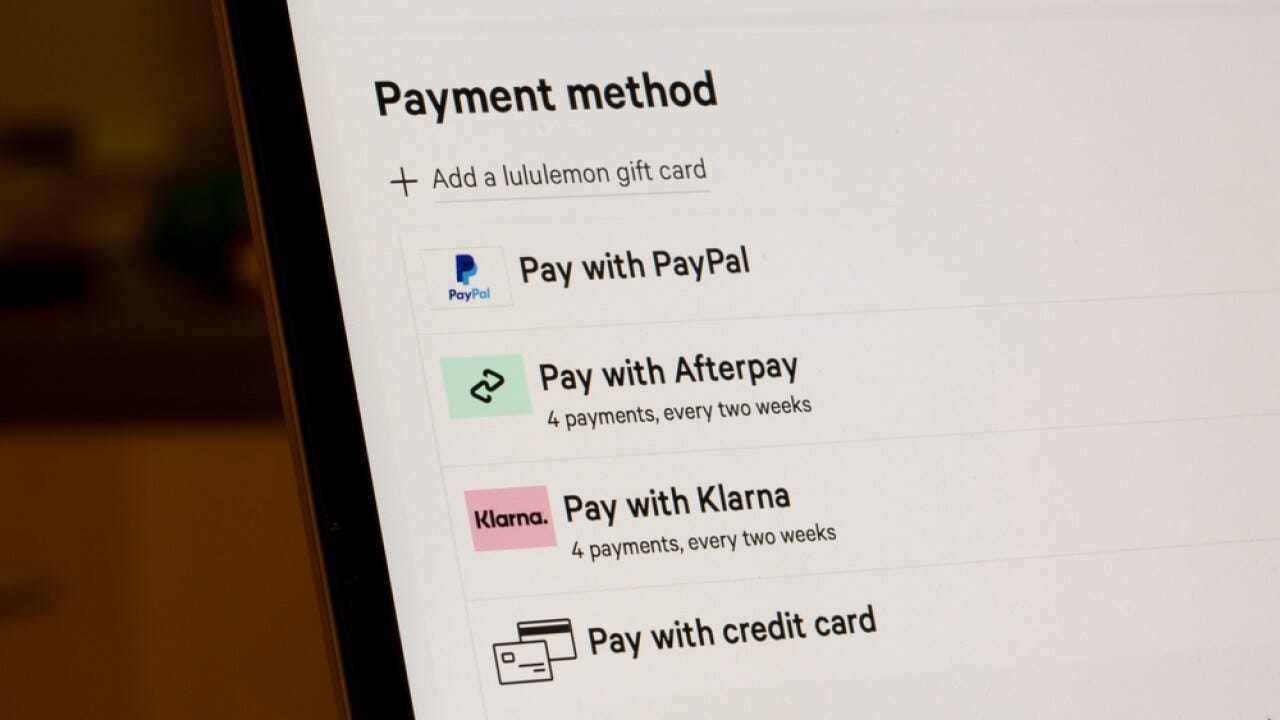

FICO includes Buy Now Pay Later loans on your credit report
Buy now, pay later loans are positioned on FICO credit scores to reflect their growing role in consumer finance. (Scripps News)
scripps news
Defaulting on student loan payments continues to lower the average American’s credit score, but the pain is evenly distributed, according to credit scoring firm FICO.
In its latest FICO Score Credit Insights Report, the company said the national FICO score, the three-digit number used to summarize credit reports, has dropped one point to 714 since April 2025 and two points since October 2024. The decline was primarily due to a resumption of student loan delinquency reporting and a slight increase in mortgage delinquencies, FICO said. A drop in your FICO score can be a concern because lenders use your FICO score to decide whether to approve you for a loan or credit card, as well as to determine interest rates and credit limits.
At the same time, 48.1% of consumers have a FICO score of 750 or higher, reflecting the “K-shaped economy.” A K-shaped recovery means that the economic improvement is uneven, with some people rising while others continue to fall or continue to struggle.
“The result is a credit market that is more difficult for some and more rewarding for others,” said Ethan Dornhelm, head of score analysis at FICO. “This dynamic requires more nuanced strategies for lenders.”
FICO scores range from 300 to 850, with higher scores indicating a lower risk to lenders and lower scores indicating higher risk.
Who is feeling the pressure?
The percentage of Gen Z, defined in FICO’s report as 18-29 years old, saw their FICO score decrease by at least 50 points, jumping from 11.3% to 14.4% between October 2024 and October 2025. In comparison, FICO said it increased from 8.8% to 10.1% of the total population.
“This is likely due to ongoing issues with student loan repayments,” the report states.
How are Gen Z and others coping?
Gen Z is opening credit cards.
“Market speculation is that Gen Z has shifted away from traditional credit cards in favor of alternative financing products, particularly buy now, pay later,” FICO said. “The data tells a different story: Gen Z is opening new cash cards at a higher rate than any other age group, and in fact, they are the most active generation in traditional credit card adoption.”
However, just because you have more credit cards doesn’t mean you are spending recklessly. Rather, “the findings show that how consumers interact with credit is changing. Credit is no longer passive, but intentional,” said Jenelle Dito, FICO’s vice president of consumer empowerment programs and partnerships. “People are monitoring their credit and thinking strategically.”
According to FICO, more than three-quarters (77%) of Americans consider interest rates when applying for a credit card, and 29% say they won’t apply unless interest rates drop to a certain point.
Overall, 83% of Americans said maintaining or improving their credit score is a priority this year, according to FICO. However, inflation and affordability issues have forced almost one in four people to pay less than the minimum payment or skip a payment on a credit card or loan in the past 12 months.
Approximately 111 million Americans (more than 40% of adults and half of credit card holders) cannot afford to pay off their balances and carry more than $1 trillion in credit card debt each month, according to an analysis by Protect Borrowers and the Century Foundation.
Will student loans continue to weigh on FICO scores?
FICO said student loan delinquencies were putting the most pressure on average FICO scores, but are now stabilizing as repayments and reporting resume at the end of 2024.
Nearly one-third of paid student loan borrowers, or 7.1 million people, have new delinquencies reported on their credit files, according to FICO. This has caused their credit scores to drop by an average of 62 points since January 2025.
“Student loan delinquencies increased by only 0.1% from April to October 2025, after student loan serious delinquencies increased significantly in April due to the resumption of delinquency reporting,” the report said.
What should creditors look out for?
Mortgage delinquencies have increased to pre-pandemic levels, according to FICO. The delinquency rate is nearly double what it was in October 2021, but it took time to reach pre-COVID-19 levels, cushioned by rising home prices.
Rising home prices have allowed Americans to leverage home equity and refinance opportunities to avoid delinquencies, according to FICO. Home prices are currently down from 2022 highs in many markets across the country, according to the Federal Housing Finance Agency.
“Delinquencies continue to trend upward toward pre-pandemic levels, and the sector requires continued vigilance during this period of market transition,” the credit scorer said.
FICO analysts also warn that even as Americans seek to maintain or improve their credit scores, educational disparities persist and may hinder success.
“Fundamental knowledge gaps remain regarding the credit behaviors that actually qualify for better (loan) terms,” FICO said.
For example, two out of three Americans admit that they either mistakenly believe that income directly affects their credit score or are unsure whether it does. FICO said this is a “misconception that can prevent consumers from realizing that credit improvement can be achieved through behavioral changes rather than pay increases.”
Medora Lee is USA TODAY’s money, markets and personal finance reporter. Please contact mjlee@usatoday.com. Subscribe to our free Daily Money newsletter for personal finance tips and business news every Monday through Friday.


