
USPS updates postmark guidelines: What you need to know
Learn how USPS postmark changes will impact the delivery of ballots, bills, and important documents, increasing the need for expedited mailing.
The U.S. Supreme Court is set to rule on a case that could bring major changes to how mail-in voting works across the country.
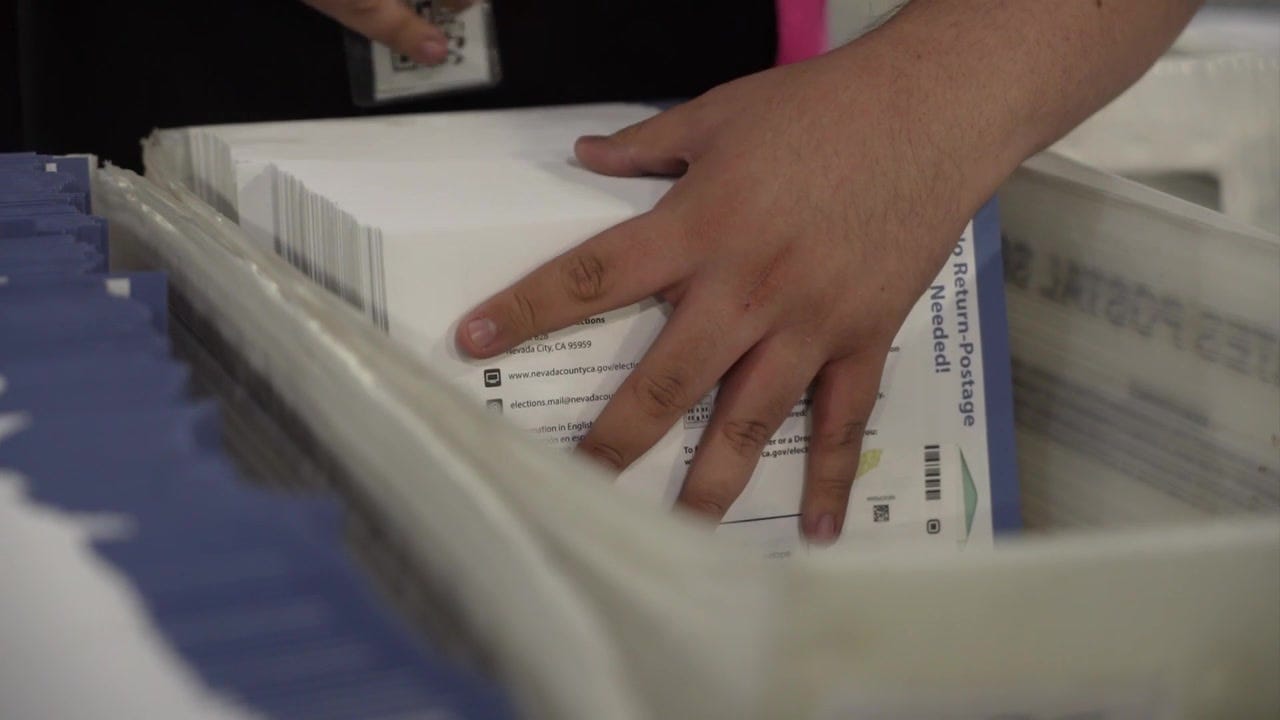
Voting by mail allows eligible American voters to vote without going to the polls on Election Day. Instead, they will receive a ballot in the mail, fill it out at home and return it. The process is currently under scrutiny by the U.S. Supreme Court, which is considering a Mississippi case that could change when mailed ballots arrive for counting, not just in the state and possibly nationwide.
How postal voting works
Voting by mail allows voters to vote without going to a polling place on Election Day. Rules vary by state, but the basic steps are similar.
1. Check your eligibilitySome states allow voters to vote by mail. Other states, such as Mississippi, limit voting by mail to certain groups, such as the elderly, people with disabilities, and voters who live away from home.
2. Request a ballotVoters must request a mail-in ballot from their state or local election office by a set deadline.
3. Receive and fill out your ballotYour ballot will arrive by mail. Voters mark their choices and follow the instructions to sign and stamp their ballot.
4. Please return it within the deadlineVoters return their ballots by mail. Each state has rules for when ballots must be postmarked and when they must be received and counted.
5. Ballots are verified and countedElection officials will check signatures and other requirements before counting the ballots.
The Supreme Court case centers on whether ballots mailed by Election Day and arriving afterward should still be counted.
So what will the legal battle be about?
Republicans, backed by President Donald Trump, are challenging Mississippi’s five-day grace period. Their argument is simple. Federal law sets Election Day as a single date, and ballots should be received by then, not days later.
Mississippi, on the other hand, argues that voters should not be penalized for late mail as long as they send in their ballots on time. Lower courts sided with Mississippi, holding that Mississippi’s law was illegal. The state appealed, and the case went to the Supreme Court.
Why is this important beyond Mississippi?
Mississippi isn’t alone. About 30 states and Washington, D.C., are accepting at least some ballots that are postmarked by Election Day but arrive afterward. If the Supreme Court rules against Mississippi, states could be forced to eliminate grace periods, require ballots to arrive by Election Day, and rewrite election laws ahead of future federal elections.
If that happens, the system for voting by mail across the country will change significantly.
What happens next?
The Supreme Court is expected to issue a decision by the end of June.
Reuters contributed reporting to this story.


