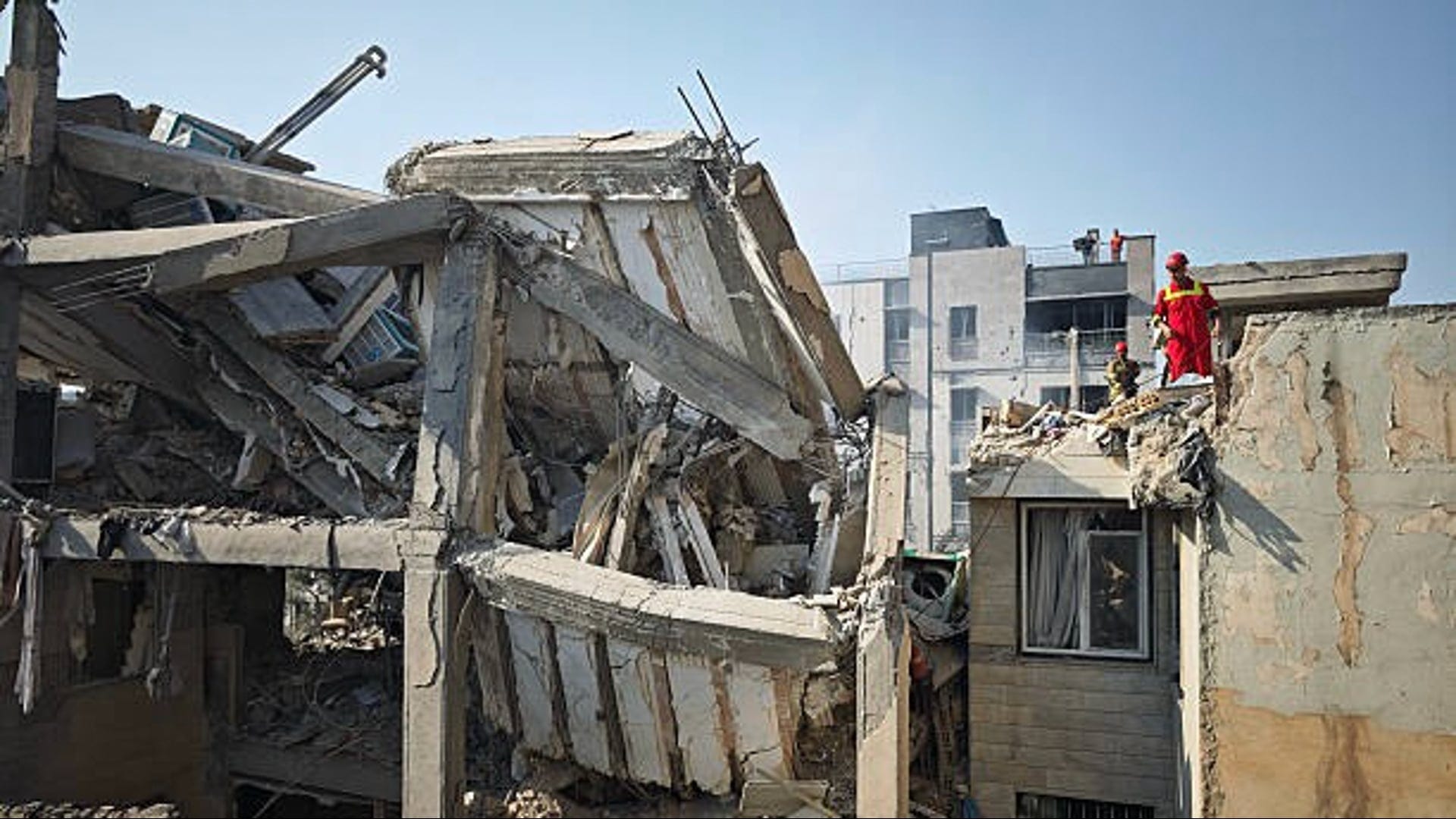

World oil prices soar after Israel’s attack on Iran
World oil prices soared after Israel launched an attack on Iran, raising concerns about an escalation of conflict in the Middle East.
Unbranded – Newsworthy
Oil prices rose on concerns about war in the Persian Gulf. The current US and Israeli military attacks on Iran could disrupt oil exports and cause prices to soar.
Benchmark Brent crude oil prices closed at a seven-month high on February 27 amid concerns about escalating global conflict.
“Oil prices will almost certainly rise once the oil market reopens for electronic trading on Sunday night,” said oil analyst Patrick de Haan.
Energy analysts at Barclays predicted oil prices would reach $100 a barrel “as the market faces the threat of potential supply disruptions amid the worsening security situation in the Middle East.”
De Haan said the scale of the disruption would depend on how long the conflict lasted.
“The exact course of action will depend largely on how deep and long-lasting the attack will be and whether it will substantially disrupt the flow of oil,” he said.
However, Clayton Seagle of the Center for Strategic and International Studies predicted that the price reaction when markets open will be “moderate.”
“Shipping operators are reportedly withdrawing operations in the area, but so far there have been no reports of direct attacks on oil and gas assets,” Siegle told USA TODAY. “Over the coming week, oil and gas prices will be heavily influenced by traders’ expectations of supply disruptions.”
The key question, he said, is: “How much oil can be lost and for how long?”
What does the Iran war mean for gas prices?
Do Americans pay more for gas when they fill up?
U.S. gas prices averaged $2.98 per gallon last week, according to AAA. De Haan said the national average will likely exceed $3 a gallon for the first time this year on Monday. He expects prices to reach at least $3.10 to $3.15 a gallon in the coming weeks.
“U.S. gasoline and diesel prices will not skyrocket overnight, but the seasonal increases that are already underway will accelerate,” he said. “That outlook could change depending on how the situation in Iran develops and whether oil flows are significantly disrupted.”
De Haan said consumers will begin to feel the impact of the war by midnight on March 2, but the impact will be measured in pennies, not dollars.
Why is the Strait of Hormuz so important?
Reuters reported that Iran has closed the Strait of Hormuz. If tanker traffic is disrupted, oil prices could rise.
Every day, approximately 20% of the world’s oil supply passes through the Strait of Hormuz. Saudi Arabia, Iraq and the United Arab Emirates route most of their oil exports there.
“Oil prices will rise sharply once markets open. If the conflict continues into Sunday, oil prices are likely to react by $5-10 above the current benchmark of $73, given Iran’s claims that it has closed the Strait of Hormuz and disruptions to tanker traffic,” said energy analysts at Eurasia Group.
De Haan warned that gas prices could rise if disruptions in the Strait of Hormuz continue.
How much oil does Iran export?
Due to U.S. sanctions, most of the approximately 1.6 million barrels per day is destined for China. If Iran’s crude oil exports are disrupted, Chinese refineries will have to find oil elsewhere, potentially pushing up prices.
Contributed by Reuters to this report.


