
SCOTUS rules against President Trump’s sweeping tariffs in 6-3 decision
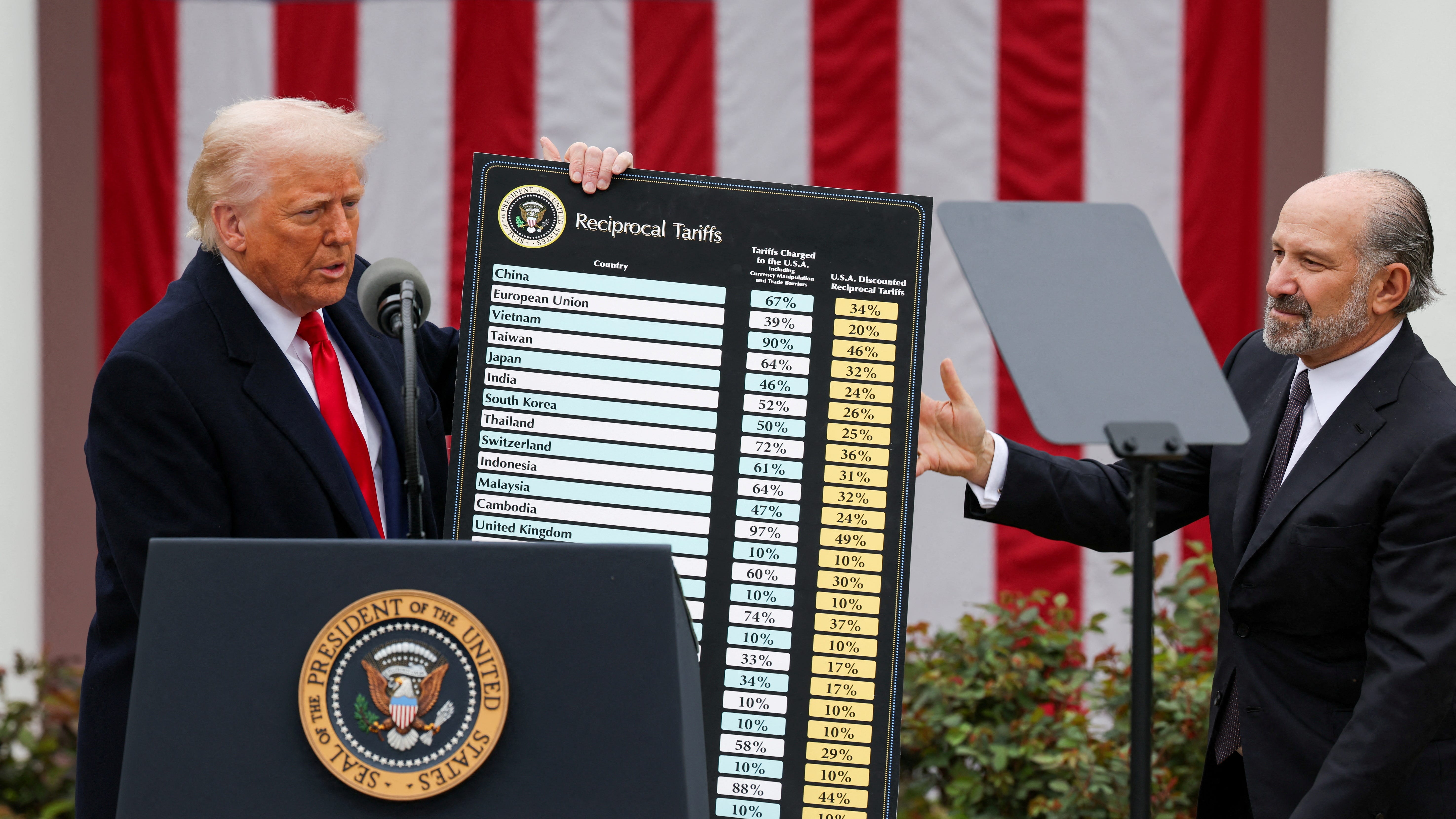
The Supreme Court has ruled that President Donald Trump does not have the power to impose large tariffs at will.
The Supreme Court ruled on February 20 that President Donald Trump does not have the authority to impose blanket tariffs in one go.
The decision, a major blow to President Trump’s economic policies, was handed down 6-3. So how did each of the nine judges vote?
The conservative court’s ruling is the first major ruling against President Trump’s expansive view of presidential power.
Which justices voted against tariffs?
- Chief Justice John Roberts (Conservative)
- Neil Gorsuch (conservative)
- Amy Coney Barrett (Conservative)
- Sonia Sotomayor (Liberal)
- Elena Kagan (Liberal)
- Ketanji Brown Jackson (Liberal)
In a 6-3 ruling by conservative Chief Justice John Roberts, the justices upheld a lower court’s ruling that Trump’s use of a 1977 law intended for use in a national emergency exceeded the president’s authority, Reuters reported. The justices ruled that the law in question, the International Emergency Economic Powers Act (IEEPA), does not give Trump the authority to impose the tariffs he claimed.
Citing previous Supreme Court decisions, Roberts wrote that “a president must ‘demonstrate clear Congressional authorization’ to justify an extraordinary claim of tariff-imposing authority,” adding, “The president cannot do that.”
Which judges voted in favor of tariffs?
The following Supreme Court justices dissented:
- Brett Kavanaugh (Conservative)
- Clarence Thomas (Conservative)
- Samuel Alito (conservative)
Justice Brett Kavanaugh, writing a dissenting opinion joined by fellow conservatives Clarence Thomas and Samuel Alito, said the ruling does not necessarily bar President Trump from “most, if not all, similar tariffs under other statutory authorities,” adding that “the court’s decision is unlikely to significantly limit the president’s tariff powers in the future.”
Gorsuch wrote another opinion highlighting the role of Congress.
Justice Neil Gorsuch, the first of three conservatives appointed to the court by President Trump, wrote a separate opinion emphasizing the importance of getting major policies like taxes and tariffs through Congress.
“Through that process, a nation can harness the collective wisdom of its people’s elected representatives, not just the wisdom of one faction or individual,” he wrote. “And because laws need to have broad support to survive the legislative process, they tend to stick around, and when the rules change daily, they allow you to plan your life in a way that ordinary people can’t.”
Reuters and USA TODAY contributed to this report.


