This rare and frightening case is prompting families across the country to re-evaluate safety systems for elderly parents living independently.
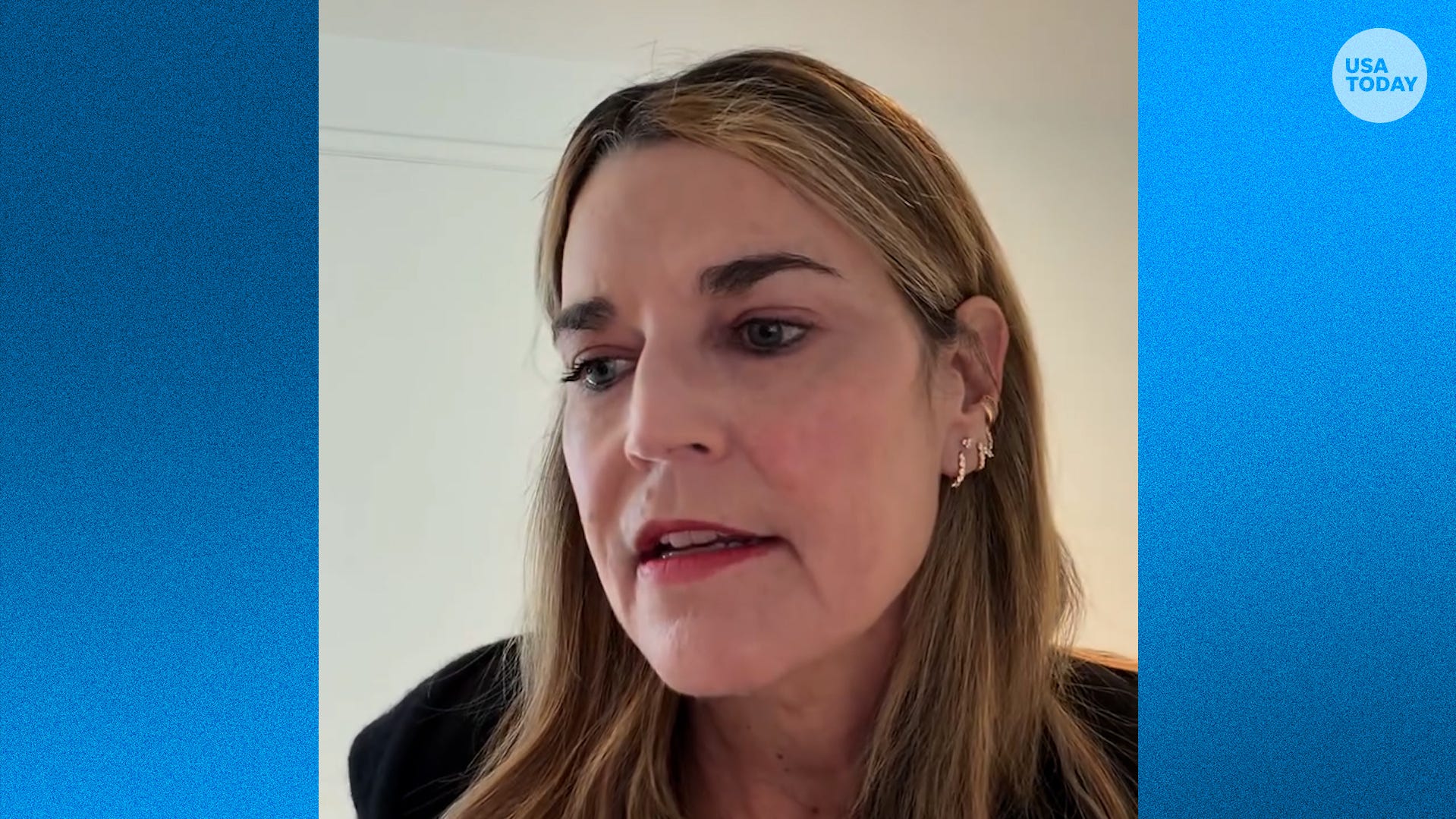

Savannah Guthrie releases new video
Savannah Guthrie released a new video in which she said she wanted to share “some thoughts as we head into another nightmare week.”
- Today anchor Savannah Guthrie’s mother, Nancy Guthrie, was kidnapped from her Arizona home.
- The incident highlighted safety concerns for the 27% of U.S. adults age 60 and older who live alone.
- Experts recommend a combination of technology and regular check-ins to balance safety and independence for older relatives.
The kidnapping of Today anchor Savannah Guthrie’s mother has shocked the nation. While her family is hopeful of her safe return, it has left people concerned about the safety of elderly loved ones who live alone.
The search for Nancy Guthrie, 84, has just passed its 10th day, with authorities releasing images and video of an “armed” masked person who appears to have tampered with the camera on Guthrie’s Nest doorbell the morning she was taken.
The 84-year-old was last seen on January 31, when her family dropped her off at her home in Tucson, Arizona, after a game night. The next morning, her family went to her house to check on her because she didn’t come to church. Unable to find her, they reported her missing.
During the search for their mother, the NBC anchor and her siblings released an emotional public statement asking for their mother’s safety and for her to be brought home. They emphasized the mother’s need for daily heart medication and offered to pay for an unverified ransom note sent to news outlets.
“We will not rest,” Guthrie told her mother in an Instagram video on February 4. “Your children will not rest until we are together again.”
While Mr. Guthrie’s situation is frightening and rare, it highlights the safety concerns for our elderly loved ones, especially family members who do not live with or near them. In the United States, 27% of adults The rate of people over 60 living alone is higher than in other parts of the world. From 2020 Pew Research Center data.
From accidents like falls to the onset of Alzheimer’s disease, seniors living alone can face a variety of challenges, and many families want to do everything they can to keep their seniors as safe as possible, even from a distance.
“As the population ages and cognitive impairment becomes more common, these types of issues have come to the forefront. Unfortunately, I don’t think this is as isolated an issue as it used to be,” says Dr. Jacob Blumenthal, a geriatric internist and associate professor of medicine at the University of Maryland School of Medicine. “Like a good Boy Scout, your best defense is to be careful, stay alert, and plan ahead.”
With the right tools and vigilance, people can create effective systems to protect their aging loved ones.
What went wrong with the safety measures already in place?
Nancy Guthrie’s home was protected by a Google Nest Doorbell camera, a common security option for many Americans. Authorities say the camera was disconnected at 1:47 a.m. the morning she went missing. At 2:12 a.m., the smart home software detected someone on camera. Initially, video footage of the potential suspect was not available on Guthrie’s subscription plan, but was recovered by authorities and private sector partners.
These types of security cameras can help many people feel safer in their homes and can enhance broader security systems, especially for older adults who live alone. Cameras may record or alert you when a door or window is open, but they cannot prevent a person with dementia from wandering out of your home.
Emily Nabors, associate director of innovation at the National Council on Aging (NCOA), says a multifaceted system of smart home technology that includes not only cameras but also smart sensors that lock doors, windows, and drawers via a phone app can provide even greater safety benefits. Long-distance caregivers can connect their phones to the sensor and receive alerts to open the door or proactively lock the door from another location.
What does keeping older adults safe actually mean?
Safety for older adults includes many aspects of well-being, not just health. This includes medications, fall risk, mobility, vision, and balance.
Then, in addition to mental health, there’s also the importance of social connections and the ability to do fun things with loved ones and be involved in the community. Loneliness and isolation are linked to heart disease, dementia, and other medical conditions.
From hazard-free homes to AI phone scams that are prevalent among the older generation, safety and security also play a key role.
When assessing the needs and risks of older relatives, families should keep in mind that allowing older adults to maintain their independence can also make a big difference to their well-being. “It is important to balance risk and independence,” Nabors added. Being able to continue doing some tasks on your own, such as brushing your teeth, is important for maintaining a sense of self in the world.
How can families assess their elderly parent’s risk level?
Families should be aware of warning signs for conditions common in older adults, such as dementia. “Typically, we’re thinking about more mundane things like, are we getting burned, are we not paying the check, are things being disrupted, are we having little things going on, are we not going to be able to see our friends,” said Katherine Ornstein, a professor at the Johns Hopkins University School of Nursing and director of the Center for Aging Equity.
The type of home environment an elderly person has also influences safety risks for the elderly. “Another issue related to Nancy Guthrie’s situation, and I’ve been thinking about it, is older people living alone. This is a big problem and it’s not uncommon,” Ornstein continued.
When older adults live alone, it can be difficult to assess risk because family members do not see them on a daily basis. Dividing regular visits and check-ins between family members means someone is constantly observing and being with them, providing much-needed social connection.
The NCOA provides a home safety checklist for families to assess whether their loved one’s environment is set up to support them, including removing other hazards.
Occupational therapists can also help by assessing how they interact with their home and make recommendations, such as a shower bench if they have difficulty bathing.
What are the most effective low-tech solutions for older adults living alone?
It depends on their needs and can change over time, but here are some suggestions from elder care experts.
- medical alarm device Ornstein said features like Life Alert can help seniors get emergency help even when no one is around or they can’t call for help over the phone.
- If a person with dementia has a tendency to wander, Blumenthal recommends: Post a simple sign Be careful not to leave the house, and post the phone numbers of trusted family members around your house. These can be “signaled” before the senior leaves.
- id bracelet Smartphones can help identify someone if they leave the house. Smartphones also have location tracking capabilities that allow your loved ones to connect.
- simple home modifications such as Night lights, handrails, non-slip mats Showering reduces the risk of injury.
- programs for seniors such as Meals on board They provide meals, provide social interaction, and check in on seniors who live alone.
How do you set up a safety system if your parents live in another state?
Being a long-distance caregiver can be stressful, but technology allows you to stay connected even when you’re miles apart. The important thing is to find what works for your family.
If privacy issues are discussed, caregivers can monitor their loved one with indoor cameras. These cameras often also have speakers and microphones, allowing family members to communicate in real time if they see something.
Door and window alarms, motion-sensing smart locks and wearables are also safety options that can connect to a caregiver’s smartphone.
In some cases, it can be helpful to have a trusted neighbor or doctor help with emergency planning, but it’s “very personal and personal,” Blumenthal said.
Keeping the conversation going and having loved ones working together is key to supporting your senior. “We want to protect them, but we also want to respect their autonomy, so it’s a delicate balance,” he says.


