
Report: 65% of the middle class are facing financial hardship.
An Urban Institute poll commissioned by the National True Cost of Living Coalition found that 65% of American households with annual incomes of $60,000 or more are struggling financially.
cheddar
MyPerfectResume’s research shows that while most Americans have felt the weight of inflation on their budgets over the past few years, there are still a small number of areas where Americans’ lives have improved financially.
The online resume builder analyzed wage data for all 50 states in relation to inflation to see where the value of salaries increased and decreased from 2020 to 2024. Average wages for American workers rose 18% to $75,600 from about $64,000 over the same period, while inflation jumped about 21%, according to data from the Labor Department’s Bureau of Statistics. Even though every state in the country reported wage growth in dollar terms, when wage growth was adjusted for inflation, the average American’s income fell by about 2.6%.
“In other words, the public received a raise on paper, but a pay cut in reality,” certified career coach Jasmine Escalera wrote in the report.
But research has found that where you live makes a difference. The study found that while Americans in 41 states lost purchasing power, Americans in nine states managed to improve their standard of living. Of the states that saw declines, some showed a faster decline than others.
“These findings highlight an important truth: a well-paid job does not automatically mean a higher standard of living,” Escalera said. “Most of the U.S. workforce entered the mid-2020s with increased paper pay but less real economic freedom.”
Where have Americans’ finances improved?
Considering wage growth and local price inflation, workers in these states have an advantage in purchasing power, the study showed.
- Idaho: +3.1%
- Florida: +2.6%
- Washington: +2.3%
- Montana: +2.3%
- Wyoming: +1.8%
- South Carolina: +1.5%
- North Carolina: +0.9%
- Tennessee: +0.9%
- Maine: +0.5%
In Utah, people maintained their standard of living from 2020.
Where have Americans lost the most economic ground?
While workers in every other state experienced a decline in purchasing power, Americans in these five states faced the sharpest gap between rising wages and rising costs.
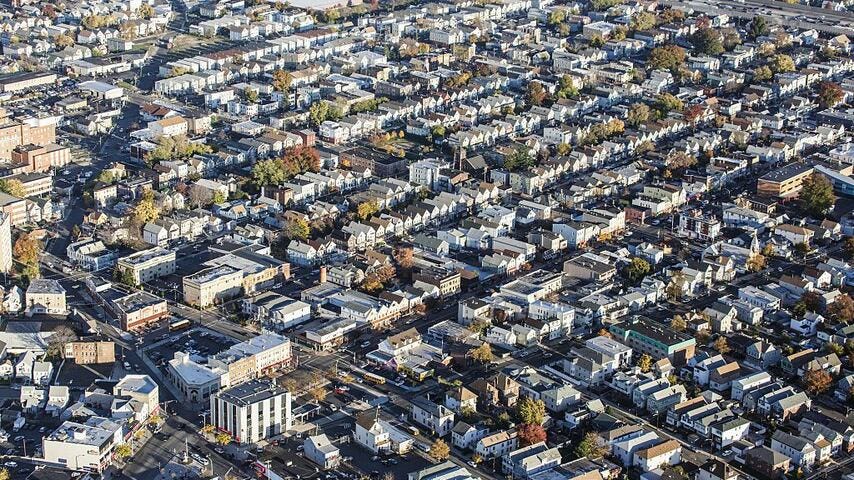
- New Jersey: -7.0%
- Rhode Island: -6.9%
- Maryland: -5.4%
- Massachusetts: -5.3%
- New York: -5.3%
Escalera said that even though wage increases have not kept up with inflation and rising costs of living, some workers still choose job security over job hunting. “Even in high-wage states like California and Massachusetts, most of the gains have been eroded by rising costs, suggesting that higher wages do not necessarily translate into higher standards of living.”
What accounted for the largest share of Americans’ salaries?
Wage increases were quickly absorbed by the following cost increases:
Medora Lee is USA TODAY’s money, markets and personal finance reporter. Please contact us at mjlee@usatoday.com. Subscribe to our free Daily Money newsletter for personal finance tips and business news every Monday through Friday morning.


